Gardening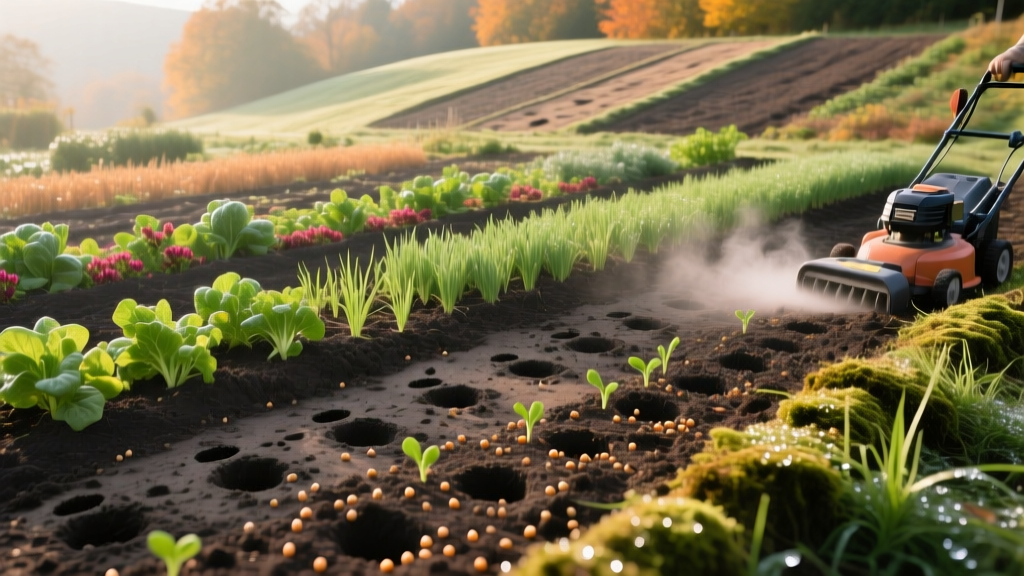
Aeration and Overseeding Techniques for Garden Cover Crops
David ParkPublished
Introduction to Garden Bed Aeration and Overseeding
When most gardeners hear the terms aeration and overseeding, they immediately picture turfgrass management, lawn tractors, and core aerators pulling plugs of soil from a suburban front yard. However, these foundational soil health practices are equally critical in the vegetable and flower garden. Over time, garden beds suffer from severe soil compaction due to foot traffic, heavy rainfall, and the repeated use of motorized rototillers. By adapting lawn aeration and overseeding techniques for garden beds—specifically through deep manual aeration and the overseeding of winter cover crops—gardeners can dramatically improve soil structure, increase organic matter, and boost microbial life without relying on synthetic fertilizers or destructive tilling.
The Hidden Enemy: Soil Compaction and the Tillage Hardpan
Vegetable roots require a delicate balance of oxygen, water, and physical space to thrive. When soil becomes compacted, pore space is eliminated. This restricts root penetration, limits water infiltration, and creates anaerobic conditions that harm beneficial soil microbes. Furthermore, the widespread use of rototillers in home gardens often creates a tillage hardpan—a dense, compacted layer of soil situated just beneath the depth of the tiller tines (usually 6 to 8 inches deep). This hardpan acts as a physical barrier, preventing deep-rooted crops like tomatoes, carrots, and parsnips from accessing subsoil moisture and nutrients.
According to research highlighted by Penn State Extension, minimizing soil disturbance and utilizing deep aeration combined with living roots is the most effective way to break up hardpans and restore soil aggregation. Instead of tearing the soil profile apart with a tiller, gardeners can use specialized hand tools to aerate the soil deeply while leaving the vital soil food web intact.
The Biological Power of Deep Aeration
Deep aeration in the garden is best achieved using a broadfork (also known as a U-bar digger). A standard 5-tine broadfork penetrates the soil to a depth of 12 to 15 inches, gently lifting and fracturing the soil to introduce oxygen without inverting the soil layers. This oxygen infusion is critical for mycorrhizal fungi and aerobic bacteria, which require oxygen to break down organic matter and make nutrients bioavailable to plants. When you pair this deep aeration with the overseeding of cover crops, the roots of the cover crops act as biological drills, following the aeration channels deep into the subsoil to scavenge leftover nutrients and prevent them from leaching into groundwater.
Selecting the Right Cover Crop for Overseeding
Once the soil is aerated, overseeding with a winter cover crop protects the bare soil from erosion and suppresses winter weeds. The Sustainable Agriculture Research and Education (SARE) program recommends selecting cover crops based on your specific garden goals, whether that is nitrogen fixation, biomass production, or bio-drilling. Here is a comparison of popular cover crops for garden overseeding:
| Cover Crop | Type | Seeding Rate (per 1,000 sq ft) | Primary Benefit | Winter Hardiness |
|---|---|---|---|---|
| Cereal Rye | Grass | 3.0 - 4.0 lbs | Massive biomass, weed suppression | Very Hardy |
| Crimson Clover | Legume | 0.5 - 0.75 lbs | Nitrogen fixation, early spring bloom | Moderately Hardy |
| Daikon Radish | Brassica | 1.0 - 1.5 lbs | Bio-drilling compaction, nutrient scavenging | Winter-kills (Zone 7 and below) |
| Hairy Vetch | Legume | 1.0 - 1.5 lbs | Heavy nitrogen fixation, soil armor | Very Hardy |
Step-by-Step Aeration and Overseeding Technique
To successfully integrate these techniques into your garden, follow this actionable, step-by-step process in late summer or early fall, roughly four to six weeks before your first expected hard frost.
Step 1: Clear and Prep the Bed
Remove spent summer crops, pulling out large root masses and clearing away heavy mulch. If the bed is heavily weeded, use a stirrup hoe to slice weeds off just below the soil surface. Do not till the bed; leave the existing soil structure and weed seed bank buried where it belongs.
Step 2: Deep Aeration with a Broadfork
Insert the tines of the broadfork straight down into the soil to their full depth, spacing your insertions about 8 to 10 inches apart in a grid pattern across the bed. Step onto the crossbar to drive the tines in, then gently pull the handles backward just enough to crack and lift the soil. Do not flip the soil over; simply create deep fissures for air, water, and future roots to penetrate. This process is labor-intensive but vastly superior to rototilling for long-term soil health.
Step 3: Top-Dress and Amend
Following aeration, spread a half-inch layer of finished compost over the entire bed. The compost will sift down into the aeration fissures, inoculating the deep subsoil with beneficial microbes and providing a nutrient-rich bed for your cover crop seeds.
Step 4: Overseeding and Seed-to-Soil Contact
Broadcast your chosen cover crop seed evenly over the compost layer. For legumes like crimson clover or hairy vetch, ensure the seed is pre-inoculated with the appropriate rhizobia bacteria to guarantee nitrogen fixation. According to the University of Wisconsin-Madison Extension, proper seed-to-soil contact is the most critical factor in cover crop establishment. After broadcasting, lightly rake the seeds into the top quarter-inch of soil, and then use a lawn roller or simply walk over the bed with flat-soled shoes to press the seeds firmly against the moist soil.
Step 5: Watering and Germination
Water the bed gently but thoroughly using a fine mist sprinkler to avoid washing the seeds away. Keep the top inch of soil consistently moist until germination occurs, which typically takes 7 to 14 days depending on soil temperatures and the specific crop variety.
Spring Management: Terminating the Cover Crop
The aeration and overseeding cycle concludes in the spring. Roughly two to three weeks before you plan to plant your spring vegetables, you must terminate the cover crop. If you planted a winter-killing crop like Daikon radish, the freezing temperatures will have already done the work for you, leaving behind decomposing root channels that act as natural aeration tubes. For hardy crops like cereal rye or hairy vetch, use a string trimmer, a scythe, or a specialized roller-crimper to cut the plants down to the soil surface.
Leave the terminated plant matter on the surface as a thick, weed-suppressing mulch. You can then plant your spring vegetable transplants directly into the mulch by parting it and digging small holes. This no-till approach preserves the aeration channels you created in the fall, maintains soil moisture, and slowly releases nutrients back into the garden ecosystem as the cover crop residue decomposes.
Conclusion
By borrowing aeration and overseeding techniques from the turfgrass world and adapting them for vegetable garden beds, home growers can break the cycle of soil compaction and reliance on heavy tilling. Deep broadfork aeration paired with the strategic overseeding of cover crops builds resilient, biologically active soil that supports healthier plants, higher yields, and a more sustainable garden ecosystem year after year.
