Lawn Care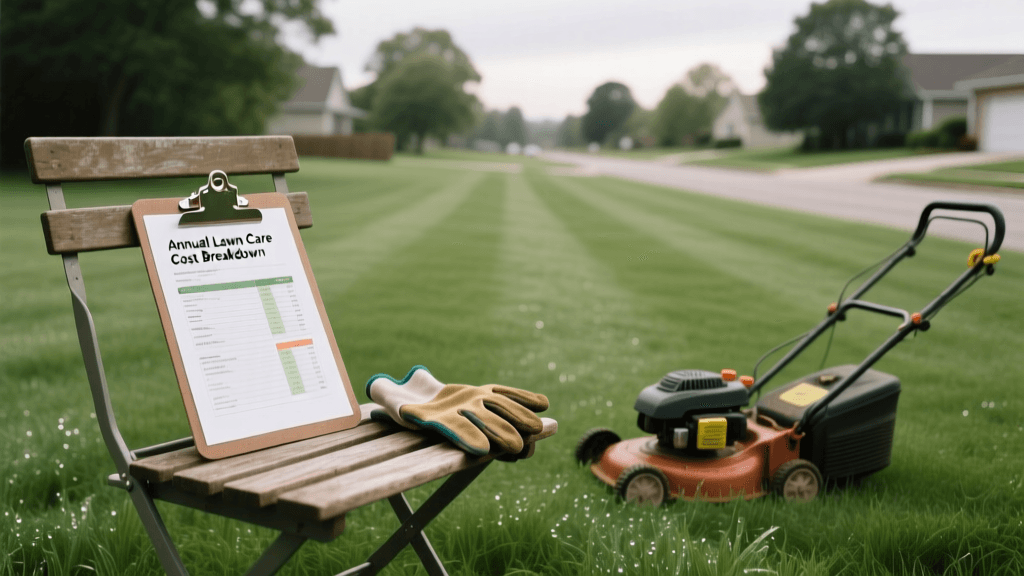
Annual Lawn Care Budget Guide: DIY vs Professional Costs
Introduction to Lawn Care Budgeting
Maintaining a lush, green lawn is a point of pride for many homeowners, but it is also a significant line item in the annual household budget. Whether you are nurturing a cool-season Kentucky Bluegrass lawn in the North or a warm-season Bermuda grass yard in the South, the costs of mowing, fertilizing, and weed control can quickly add up. For homeowners trying to balance a pristine yard with financial prudence, the ultimate question remains: is it more cost-effective to tackle lawn care yourself, or should you hire a professional landscaping service?
This comprehensive budgeting guide breaks down the exact costs, hidden expenses, and return on investment for both DIY and professional lawn care routes. By understanding the financial commitment required for equipment, materials, and seasonal treatments, you can build a realistic lawn care budget that maximizes your curb appeal without breaking the bank.
The DIY Lawn Care Cost Breakdown
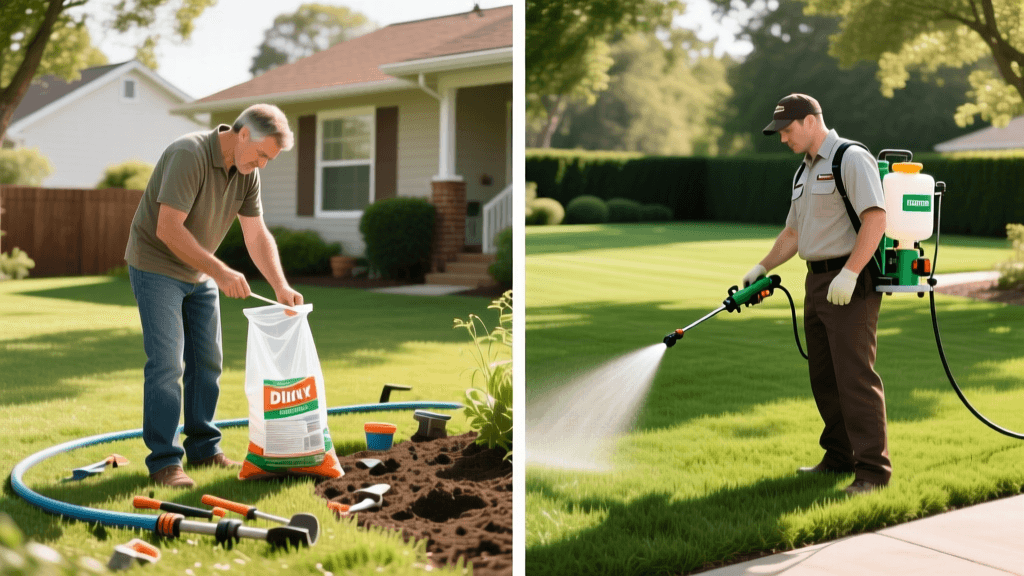
Choosing the do-it-yourself route requires an upfront investment in equipment, followed by recurring costs for materials and utilities. To provide an accurate estimate, we will base these calculations on an average residential lawn size of 5,000 square feet.
Capital Expenditures: Equipment and Tools
Before you can apply a single ounce of fertilizer, you need the right tools. While you can buy cheap equipment, investing in mid-tier, reliable brands saves money on replacements in the long run.
- Lawnmower: A reliable gas-powered mower like the Toro Recycler costs around $400, while a battery-powered option like the EGO Power+ 21-inch mower costs approximately $500.
- String Trimmer and Blower: A combo kit from a reputable brand like Ryobi or Husqvarna will cost between $200 and $250.
- Fertilizer Spreader: A quality broadcast spreader, such as the Scotts EdgeGuard Mini, costs about $45 and is essential for even product distribution.
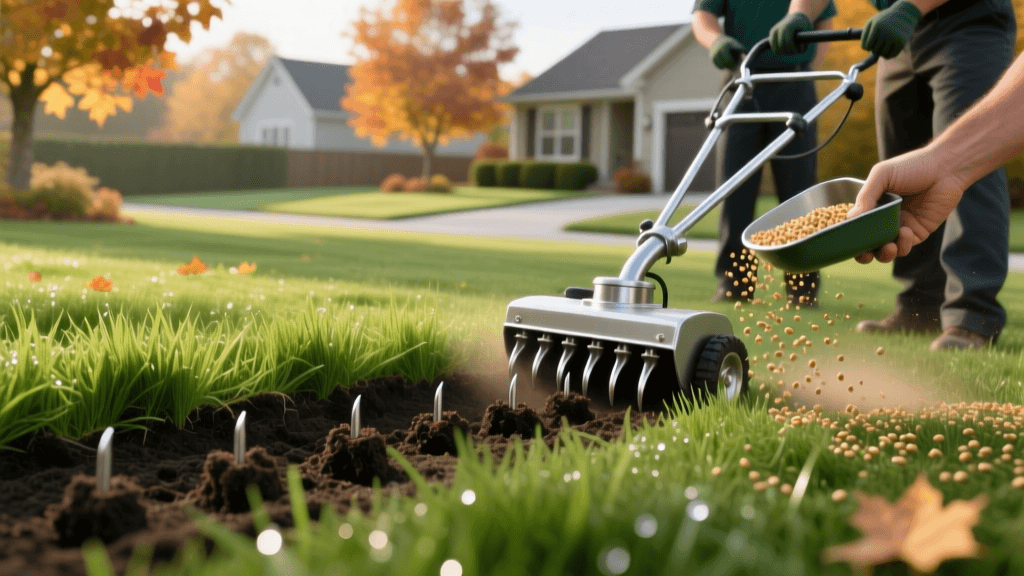
- Core Aerator: Purchasing a manual aerator costs $30, but renting a gas-powered walk-behind aerator for a day typically costs $80 to $100.
Total Initial Equipment Cost: $725 to $895
Operational Expenditures: Annual Materials
Once you have the tools, you must budget for the consumables required to keep the grass fed and weed-free throughout the growing season.
- Fertilizer: A 50-pound bag of professional-grade Lesco 18-24-12 fertilizer costs about $60 and covers up to 15,000 square feet. For a 5,000 square foot lawn requiring four applications a year, your annual fertilizer cost is roughly $80.
- Weed Control: A gallon of concentrated selective herbicide like Gordon's Trimec costs $40 and will last multiple seasons, making the annual cost roughly $15.
- Grass Seed: Overseeding in the fall with a premium mix like Jonathan Green Black Beauty requires about 3 pounds of seed per 1,000 square feet for thick coverage. Budget $45 for high-quality seed.
- Fuel and Utilities: Gasoline for mowing and edging, plus the water bill for summer irrigation, typically adds $150 to $250 to your annual expenses.
Total Annual Material Cost: $290 to $390
Professional Lawn Care Service Costs
If you prefer to reclaim your weekends, hiring a professional lawn care company is the alternative. Professional services generally offer tiered packages, ranging from basic mowing to comprehensive turf management programs.
Mowing and Basic Maintenance
For a standard 5,000 square foot lawn, weekly mowing, edging, and blowing services typically cost between $40 and $60 per visit. Over a 30-week mowing season, this equates to $1,200 to $1,800 annually.
Fertilization and Weed Control Programs
Companies like TruGreen or local turf specialists offer 6-to-8 visit annual programs. These include pre-emergent crabgrass control in the spring, broadleaf weed spraying in the summer, and slow-release fertilizer applications. The average cost for a comprehensive chemical program is $50 to $80 per application, totaling $350 to $600 per year.
Specialty Services: Aeration and Overseeding
Most professionals charge a premium for fall aeration and overseeding. Expect to pay between $150 and $250 for a professional crew to core aerate your lawn and spread premium seed and starter fertilizer.
Cost Comparison Table: DIY vs. Professional
The following table illustrates the estimated annual costs for maintaining a 5,000 square foot lawn, comparing a dedicated DIY approach against hiring a full-service professional company. Note that the DIY Year 1 cost includes equipment purchases, while Year 2 reflects materials only.
| Maintenance Category | DIY Cost (Year 1) | DIY Cost (Year 2+) | Professional Service Cost |
|---|---|---|---|
| Mowing and Trimming | $150 (Fuel/Maintenance) | $150 (Fuel/Maintenance) | $1,500 (30 weeks) |
| Fertilization Program | $80 | $80 | $450 |
| Weed Control | $15 | $15 | Included above |
| Fall Aeration and Seed | $125 (Rental + Seed) | $125 (Rental + Seed) | $200 |
| Water and Irrigation | $200 | $200 | $200 |
| Total Annual Cost | $1,370 | $570 | $2,350 |
Hidden Costs and the Value of Your Time
When evaluating a lawn care budget, homeowners often overlook hidden expenses and the financial value of their own time.
Equipment Maintenance and Depreciation
Gas mowers require annual oil changes, air filter replacements, and spark plug installations, costing about $30 per year. Additionally, mower blades need to be sharpened or replaced twice a season ($20). Over five years, your $500 mower will also depreciate, eventually requiring a capital replacement.
The Cost of Mistakes
DIY lawn care carries the risk of user error. Applying too much fertilizer can burn the turf, requiring expensive sod replacement. Misidentifying a weed and applying the wrong herbicide wastes money and can damage surrounding ornamental plants. Professionals carry liability insurance and possess the agronomic knowledge to avoid these costly errors.
Calculating Your Hourly Rate
Mowing, edging, trimming, and applying products takes roughly 2 hours per week during the growing season, plus 4 hours for aeration and overseeding. Over a year, you will invest about 65 hours into your lawn. If you value your free time at $30 per hour, the hidden cost of DIY labor is $1,950. If you enjoy the physical work and being outdoors, this is a non-issue. If you view yard work as a chore, paying a professional $1,780 more to handle it is actually a financial win for your time.
Seasonal Budgeting Timeline
To avoid financial strain, spread your lawn care expenses across the seasons rather than facing a massive bill in the spring.
- Early Spring (March - April): Budget for pre-emergent crabgrass preventer and your first round of nitrogen fertilizer. Budget: $40.
- Late Spring (May - June): Budget for post-emergent broadleaf weed control and potential grub prevention products. Budget: $35.
- Summer (July - August): This is primarily a watering and mowing season. Budget for increased water bills and mower fuel. Budget: $150.
- Fall (September - October): This is the most expensive DIY season. Budget for core aeration equipment rental, premium grass seed, and a winterizer fertilizer. Budget: $175.
Expert Insights and Authoritative Citations
According to turfgrass researchers at Purdue University Extension, proper soil testing is the most cost-effective first step in any lawn care budget. A standard soil test kit costs between $15 and $20 through your local university extension office. By understanding your soil's exact pH and nutrient deficiencies, you can avoid wasting money on unnecessary fertilizers and lime applications, potentially reducing your annual chemical spending by up to 30 percent.
Furthermore, the University of Minnesota Extension emphasizes that precise, measured applications of fertilizer not only protect your wallet but also the environment. Over-fertilization leads to nutrient runoff into local waterways. By utilizing a calibrated broadcast spreader and adhering strictly to the product's coverage rates, homeowners ensure every dollar spent on turf nutrition is absorbed by the grass roots rather than washing away into storm drains.
Conclusion: Which Route is Right for Your Budget?
The decision between DIY and professional lawn care ultimately hinges on your available capital, your tolerance for physical labor, and your long-term landscaping goals. If you have a high initial budget to purchase quality equipment and enjoy spending your weekends outdoors, the DIY route is significantly cheaper in the long run, dropping to under $600 a year after your initial equipment investment.
However, if your time is highly valuable, or if you lack the storage space for mowers and spreaders, a professional service offers a predictable, hands-off annual expense. By utilizing the cost breakdowns and seasonal timelines provided in this guide, you can confidently allocate your home maintenance funds and achieve a beautiful, healthy lawn that fits perfectly within your financial means.