Tree Care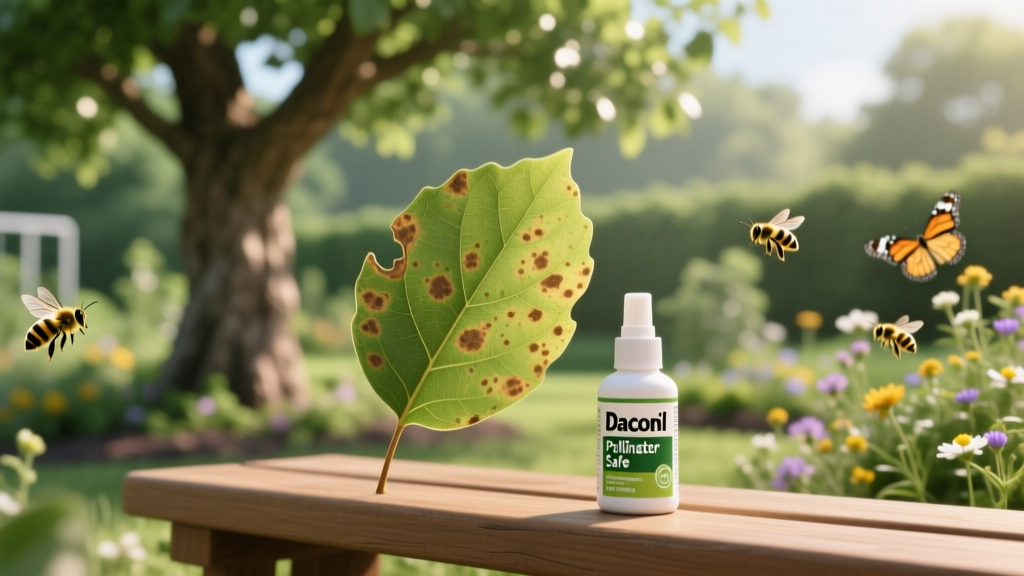
Treating Anthracnose With Daconil: 2026 Pollinator Guide
Lisa ThompsonPublished
The Intersection of Canopy Health and Pollinator Safety
As we navigate the 2026 gardening season, the modern landscape designer faces a complex challenge: maintaining the structural integrity and health of vital shade trees while cultivating a thriving, pollinator-friendly garden ecosystem. One of the most pervasive threats to our deciduous canopy is anthracnose, a group of fungal diseases that can cause severe defoliation and twig dieback. While Daconil (active ingredient: chlorothalonil) remains a highly effective, broad-spectrum fungicide for managing this disease, its use in a biodiversity-focused garden requires strict, calculated protocols to protect native bees, honeybees, and beneficial insects.
Designing a pollinator-friendly garden does not mean abandoning chemical treatments entirely; rather, it demands precision, impeccable timing, and an understanding of which trees actually serve as pollinator forage. In this comprehensive 2026 guide, we will explore how to accurately identify anthracnose, understand the ecological risks of chlorothalonil, and apply Daconil safely without disrupting the delicate balance of your garden's pollinator network.
Identifying Anthracnose: Symptoms and Lifecycle
Anthracnose is not a single disease but a complex of fungal pathogens (including Apiognomonia, Discula, and Gloeosporium species) that thrive in cool, wet spring weather. The fungi overwinter in infected leaf litter and cankers on twigs. When spring rains arrive, spores are splashed onto emerging buds and young leaves, initiating the infection cycle. According to Penn State Extension, the disease is primarily a cosmetic issue for mature trees, but repeated defoliation over consecutive years can severely weaken young or stressed specimens, making them vulnerable to secondary borers and environmental stress.
Key Symptoms by Tree Species
- Sycamore (Platanus occidentalis): Irregular brown lesions along leaf veins, severe premature leaf drop in late spring, and distinct elongated cankers on twigs.
- Oak (Quercus spp.): Brown, necrotic blotches that often cross the midrib of the leaf, causing the leaf to curl and distort.
- Ash (Fraxinus spp.): Small, distinct tan-to-brown spots with purple margins that coalesce into larger dead areas.
- Maple (Acer spp.): Papery, light brown lesions along the margins and tips of leaves, often leading to a scorched appearance.
Daconil (Chlorothalonil) and the Pollinator Dilemma
Daconil is a multi-site contact fungicide that prevents fungal spores from germinating. Because it is a fungicide and not an insecticide, many gardeners mistakenly assume it is completely harmless to bees. However, current 2026 integrated pest management (IPM) guidelines and research highlight a more nuanced reality. The Xerces Society for Invertebrate Conservation notes that while chlorothalonil may not cause acute, immediate mortality in adult foraging bees like neonicotinoids do, it can be highly detrimental to bee larval development and disrupt the crucial gut microbiomes of adult bees when ingested via contaminated pollen or nectar.
Therefore, applying Daconil in a pollinator garden is not about avoiding the product entirely, but about target selection and timing. You must never apply Daconil to trees that rely on insect pollination or produce blossoms that attract foraging bees. Fortunately, many of the trees most severely impacted by anthracnose—such as Sycamores and Ash—are primarily wind-pollinated and do not produce nectar or pollen that bees actively seek out.
Anthracnose Management Matrix for Pollinator Gardens
To help you make ecologically sound decisions this season, refer to the following treatment matrix. This chart categorizes common anthracnose-susceptible trees by their value to pollinators and provides the safest 2026 treatment strategy.
| Tree Species | Pollinator Forage Value | Anthracnose Risk | 2026 Treatment Strategy |
|---|---|---|---|
| Sycamore | Very Low (Wind-pollinated) | High | Daconil Safe: Apply at bud break before canopy fills. |
| Ash | Low (Wind-pollinated) | Moderate | Daconil Safe: Apply early spring; avoid if nearby blooms are active. |
| Oak | Moderate (Native bee habitat) | Moderate | Caution: Use Daconil only on lower limbs; prefer cultural controls. |
| Flowering Dogwood | High (Spring nectar/pollen) | High | AVOID Daconil: Use Bacillus subtilis or copper-based alternatives. |
| Linden / Basswood | Extremely High (Bee magnet) | Low-Moderate | NEVER use Daconil: Rely strictly on pruning and sanitation. |
Step-by-Step Daconil Application Protocol
If your landscape features high-risk, low-pollinator-value trees like Sycamore or Ash, Daconil remains a viable, cost-effective option. As of 2026, concentrated chlorothalonil products average $25 to $35 per pint, making it an economical choice for large canopy treatments. Follow these strict protocols to ensure zero drift into your pollinator habitats:
- Timing is Everything: Apply Daconil strictly during the dormant season or at the very first sign of bud break, before any flowers in your garden (including nearby weeds like dandelions) have opened. Once pollinators are actively foraging in your yard, cease all chlorothalonil applications.
- Mixing Ratios: For ornamental shade trees, the standard label rate is 2.25 teaspoons of Daconil concentrate per gallon of water. Always mix in a dedicated sprayer that has never held insecticides or herbicides.
- Weather Constraints: Spray only on calm days with wind speeds under 5 mph to prevent drift onto adjacent pollinator-friendly shrubs like Blueberries or Bee Balm. Ensure no rain is forecast for at least 24 hours to allow the fungicide to bind to the leaf cuticle.
- Targeted Spraying: Focus on the lower canopy and interior twigs where fungal spores overwinter and initially splash up from the soil. There is rarely a need to spray the extreme upper canopy of a mature Sycamore, which reduces the risk of aerial drift.
Pro-Tip for 2026: Always check the EPA's Chlorothalonil guidelines and your local municipal regulations before application, as several states have enacted stricter buffer zone requirements near aquatic habitats and designated pollinator sanctuaries this year.
Pollinator-Safe Alternatives and Cultural Controls
For trees that are vital to your garden's pollinator food web, or if you prefer a strictly organic approach, there are highly effective alternatives to Daconil that align perfectly with a biodiversity-first design philosophy.
Biological Fungicides
Products containing Bacillus amyloliquefaciens or Bacillus subtilis (such as Serenade or Revitalize) offer excellent preventative control against anthracnose. These beneficial bacteria colonize the leaf surface, outcompeting fungal spores for space and nutrients. They are completely safe for bees, butterflies, and aquatic life, and can be applied even when pollinators are active in the garden.
Rigorous Sanitation
Because anthracnose overwinters in fallen leaves and twig cankers, autumn and early spring sanitation is your first line of defense. Rake and destroy (do not compost) all fallen leaves from susceptible trees. Prune out dead or cankered twigs during dry winter weather, sterilizing your bypass pruners with a 70% isopropyl alcohol solution between every cut to prevent spreading the spores.
Canopy Airflow and Mulching
Fungal pathogens require prolonged leaf wetness to infect. Prune the lower, interior branches of your shade trees to improve airflow and allow morning sun to dry the dew quickly. Furthermore, apply a 2-to-3-inch layer of organic arborist wood chips around the tree's drip line. This not only conserves soil moisture and suppresses weeds but also creates a physical barrier that prevents rain from splashing overwintering fungal spores from the soil back onto the lower leaves.
Conclusion: Balancing Canopy Health and Bee Safety
Managing anthracnose in a pollinator-friendly garden requires a shift from reactive spraying to proactive, ecologically mindful planning. By accurately identifying the disease, understanding the specific risks Daconil poses to bee populations, and restricting chlorothalonil use exclusively to wind-pollinated shade trees during early spring, you can protect your garden's structural canopy without sacrificing the health of your native pollinators. Embrace biological alternatives and rigorous cultural sanitation for your flowering trees, and your 2026 landscape will boast both majestic, disease-free shade and a vibrant, buzzing ecosystem.
