Tree Care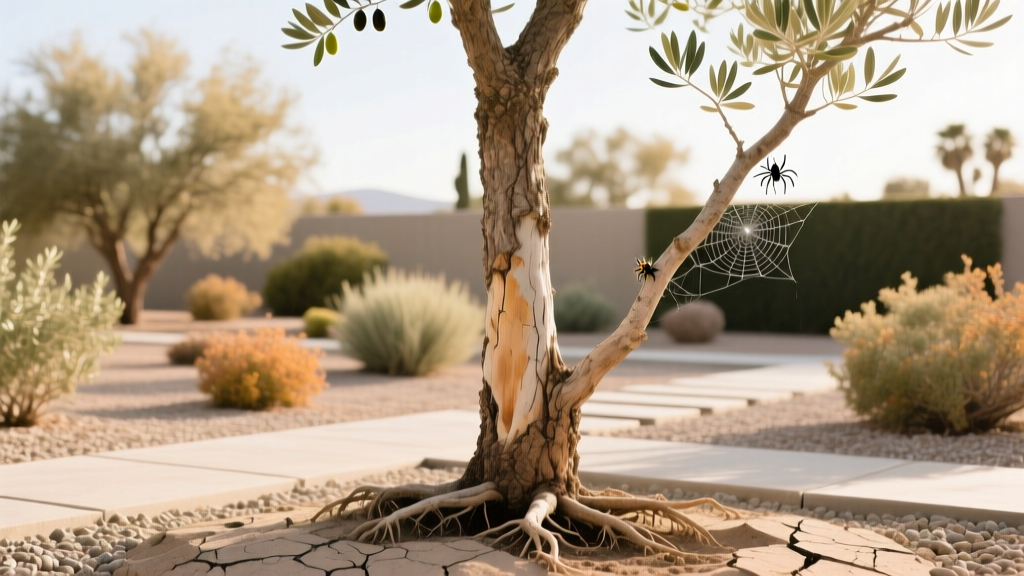
2026 Xeriscape Tree Health Visual Inspection Checklist
Lisa ThompsonPublished
The Evolution of Xeriscape Tree Care in 2026
As we navigate the shifting climate patterns of 2026, xeriscaping has evolved from a niche desert landscaping trend to a mainstream necessity across North America. According to the EPA WaterSense program, water-efficient landscaping is now critical in over 40 states facing seasonal or chronic drought conditions. However, planting drought-tolerant species like the Desert Willow (Chilopsis linearis), Texas Mountain Laurel (Sophora secundiflora), or the resilient Bur Oak (Quercus macrocarpa) is only the first step. Maintaining these trees requires a specialized approach to health assessment.
A standard tree inspection will not always catch the subtle nuances of low-water stress. Xeriscape trees have adapted to survive with minimal irrigation, but this survival mechanism often masks severe underlying health issues until it is too late. This comprehensive visual inspection checklist is tailored specifically for xeriscape environments, helping you distinguish between natural dormancy, severe drought stress, and opportunistic pest infestations.
Zone 1: The Canopy and Crown Inspection
The canopy is your first indicator of systemic tree health, but in a low-water landscape, you must interpret the signs differently than you would in a traditional, high-irrigation lawn setting.
- Flagging and Dieback: In xeriscapes, trees often exhibit flagging, where individual branches or entire limbs die off abruptly. This is a survival tactic; the tree sacrifices its extremities to conserve water for the main trunk and primary root system. While a small amount of flagging is normal during peak summer heat, widespread dieback indicates the tree's water reserves are entirely depleted.
- Leaf Scorch and Marginal Necrosis: Look for browning along the edges of the leaves. In 2026, with prolonged dry spells and intense UV indexes, even established native trees can suffer from marginal necrosis. If the browning moves past the leaf margins and into the interveinal spaces, you may be dealing with a nutrient deficiency exacerbated by dry, alkaline soils common in xeriscapes.
- Premature Autumn Coloration: If your deciduous xeriscape trees begin turning yellow or red in July or August, they are experiencing severe hydraulic failure. The tree is initiating early dormancy to survive the season.
Zone 2: Trunk and Bark Assessment
The trunk of a xeriscape tree faces extreme temperature fluctuations, especially in regions with high desert exposure and minimal groundcover shading.
- Sunscald and Frost Cracks: Without the cooling effect of a surrounding turfgrass lawn, the ambient temperature around a xeriscape tree trunk can be 10 to 15 degrees hotter. Inspect the south and southwest-facing sides of the trunk for sunscald, which appears as bleached, sunken, or peeling bark.
- Pitch Tubes and Boring Dust: Water-stressed trees cannot produce the sap pressure necessary to pitch out invading insects. Look for small, popcorn-like sap bubbles (pitch tubes) or fine sawdust (frass) at the base of the trunk. As noted by the Morton Arboretum, drought-stressed trees emit volatile chemicals that actively attract bark beetles and wood-boring insects.
- Root Flare Visibility: A critical rule in 2026 arboriculture is that the root flare must be visible. In xeriscapes, homeowners often pile decorative river rock or decomposed granite against the trunk. This traps moisture against the bark, leading to collar rot and inviting fungal pathogens.
Zone 3: Xeriscape Mulch and Soil Verification
Xeriscaping heavily relies on inorganic mulches like gravel, crushed granite, and lava rock, or highly specialized organic mulches. Inspecting the ground layer is vital for long-term tree survival.
- Inorganic Mulch Compaction: Over time, decomposed granite and pea gravel can compact, creating an impermeable layer that sheds rare rainfall away from the root zone. Use a hand rake to loosen the top two inches of inorganic mulch during your inspection to ensure water infiltration.
- Organic Mulch Degradation: If you use arborist wood chips around your low-water trees, check for hydrophobic fungal mats. In extremely dry conditions, certain fungi can colonize wood mulch and become completely water-repellent, preventing deep watering from reaching the roots.
- Deep Soil Moisture Probing: Visual inspection must be paired with physical soil testing. In 2026, smart soil sensors and manual TDR (Time Domain Reflectometry) probes are essential. Insert a 24-inch soil probe near the drip line. The soil should feel slightly cool and hold together when squeezed. If it is powdery and dry at 12 inches deep, your deep-root watering schedule is failing.
Drought Stress vs. Pathogen Symptoms
One of the greatest challenges in low-water landscaping is distinguishing between environmental stress and biological attacks. Use this diagnostic table during your visual inspection to accurately identify the root cause of decline.
| Symptom | Drought Stress Indicator | Pathogen / Pest Indicator |
|---|---|---|
| Leaf Drop | Uniform dropping of older, inner leaves first to conserve resources. | Random dropping, often with spots, yellow halos, or fungal fruiting bodies. |
| Bark Damage | Longitudinal cracking, sunscald on southwest side, dry and brittle texture. | Oozing sap, D-shaped exit holes, sawdust frass, or peeling bark revealing galleries. |
| Canopy Thinning | General thinning across the entire crown, smaller than average leaf size. | Localized dead branches (flagging), witches' brooms, or dieback starting at branch tips. |
| Root Condition | Fine feeder roots are desiccated and brittle; deep taproot remains intact. | Roots are mushy, smell foul (anaerobic), or show signs of armillaria root rot (mycelial fans). |
Opportunistic Pests in Water-Stressed Trees
The Arbor Day Foundation highlights that climate-induced drought stress is the primary catalyst for devastating pest outbreaks in urban and suburban forests. When a xeriscape tree lacks water, its chemical defenses drop. In 2026, arborists are particularly vigilant about the following pests in low-water zones:
- Ips Beetles: These tiny bark beetles target pines and spruces in xeriscapes. They attack trees that are already weakened by lack of deep winter watering.
- Flatheaded Appletree Borer: A major threat to young, newly planted xeriscape shade trees. The larvae girdle the tree just under the bark, cutting off the already limited water supply.
- Spider Mites: Thrive in hot, dry, dusty conditions typical of xeriscapes. They cause stippling on leaves, which accelerates water loss through the damaged leaf tissue.
Seasonal Xeriscape Tree Care Schedule for 2026
To maintain optimal health, integrate these visual inspections into a seasonal rhythm tailored for low-water landscapes.
- Spring (March - May): Inspect for winter desiccation damage on evergreens. Check drip irrigation emitters for clogs before the summer heat hits. Apply a fresh layer of organic mulch if using, keeping it 4 inches away from the trunk.
- Summer (June - August): Monitor for sunscald, spider mites, and early signs of drought flagging. Run deep-watering probes to ensure moisture is reaching 18-24 inches below the surface.
- Fall (September - November): Assess canopy dieback from the summer. Reduce irrigation frequency but increase duration to encourage deep root hardening before winter.
- Winter (December - February): Crucial for xeriscapes: perform deep winter watering on dry, above-freezing days. Evergreens and shallow-rooted natives need this to prevent fatal spring desiccation.
Conclusion
Xeriscaping is a brilliant, sustainable approach to modern landscaping, but it does not mean plant and forget. The 2026 xeriscape tree health visual inspection checklist ensures that your low-water trees remain vibrant, structurally sound, and resilient against pests. By understanding the unique visual cues of drought-adapted species and maintaining the specialized soil and mulch environments they require, you can cultivate a thriving, water-wise landscape that stands the test of time and climate.
