Tree Care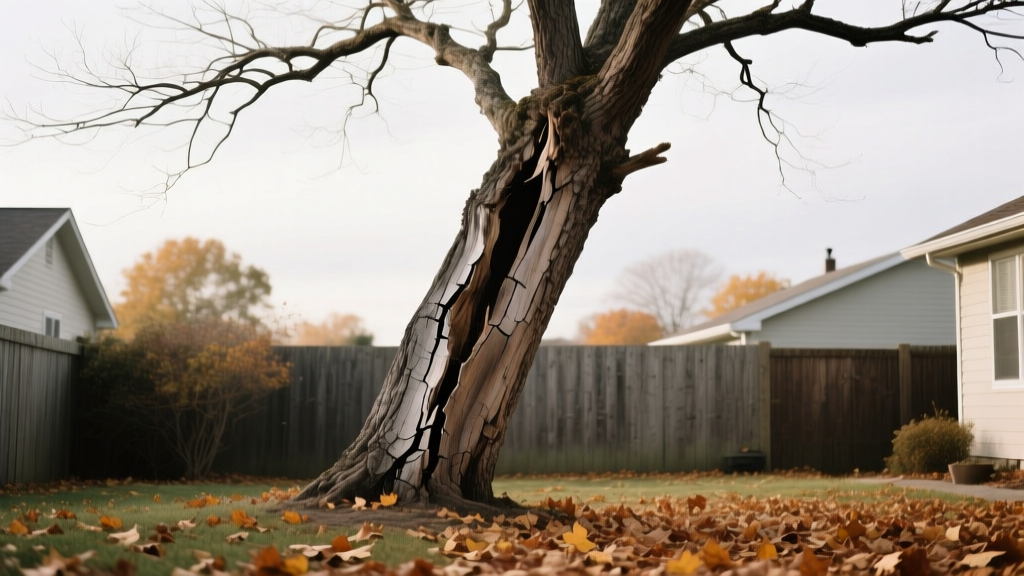
2026 Fall Hazard Tree Assessment: Cracks, Leans, Deadwood
Sarah ChenPublished
The Crucial Role of Fall in Tree Risk Assessment
When homeowners think of fall lawn care, their minds immediately jump to leaf removal, aeration, and winterizing the grass. However, a comprehensive autumn landscape strategy must extend upward into the canopy. As deciduous trees shed their leaves in late 2026, their structural skeletons are fully exposed, making this the absolute best time of year for a thorough hazard tree assessment. With climate models predicting heavier, wetter snowfalls and more frequent ice storms for the upcoming winter, evaluating your trees for cracks, hazardous leans, and deadwood is no longer optional—it is a critical safety measure.
A failing tree can cause catastrophic damage to your home, vehicles, and power lines, not to mention the severe safety risks to your family. According to the International Society of Arboriculture (ISA), proactive tree risk assessment can prevent up to 80% of storm-related tree failures in residential areas. By integrating tree hazard evaluation into your fall lawn care routine, you can identify and mitigate risks before the ground freezes and winter storms begin to batter your property.
Identifying and Evaluating Tree Cracks
Tree cracks are among the most alarming defects a homeowner can spot, but not all cracks indicate an imminent failure. During your fall assessment, it is vital to differentiate between superficial frost cracks and deep structural shear cracks. Frost cracks typically appear as vertical fissures on the south or southwest side of the trunk, caused by rapid temperature fluctuations in late fall and winter. While they can be unsightly and provide entry points for pathogens, they rarely compromise the tree's immediate structural integrity.
Conversely, structural cracks that run horizontally, spiral around the trunk, or penetrate deep into the heartwood are severe hazards. These cracks often indicate internal decay or a failure in the tree's reaction wood. In 2026, advanced diagnostic tools have become more accessible for residential arborists. If you spot a suspicious crack, a certified arborist may use Sonic Tomography (such as the PiCUS 4 system) or a Resistograph to map the internal decay profile without causing further damage to the tree. These tools measure the speed of sound waves or drilling resistance through the wood, providing a precise 3D map of the internal compromise.
Actionable Fall Tip: Use a soft measuring tape to record the width and length of any visible cracks in October. If the crack expands by more than a fraction of an inch over a few weeks, or if you notice sap oozing and fungal conks (mushrooms) near the fissure, the tree requires immediate professional intervention before the first heavy snow load.
Assessing Tree Lean: Phototropism vs. Root Failure
A leaning tree is a classic red flag, but context is everything. Trees naturally lean toward sunlight (phototropism) or away from prevailing winds over their lifetime. A gradual, natural lean is typically supported by robust reaction wood and a stabilized root plate. However, a sudden lean—or a lean that has noticeably increased over the past year—is a massive hazard indicator.
To evaluate a lean during your fall yard cleanup, examine the base of the tree and the surrounding soil. Look for soil mounding or heaving on the side opposite the direction of the lean. This is a telltale sign of root plate failure, where the structural roots are actively pulling out of the ground. Additionally, check for severed roots caused by recent landscaping, trenching, or driveway expansions. The USDA Forest Service notes that root damage is the leading cause of sudden tree blowdowns during high-wind events.
Actionable Fall Tip: Drive a small, inconspicuous stake into the ground next to the leaning trunk and mark the trunk with a piece of chalk. Check the alignment weekly through late fall. If the gap between the stake and the trunk widens, the root system is failing, and the tree must be removed before winter winds exacerbate the failure.
Deadwood Evaluation and the 'Widowmaker' Threat
Once the autumn leaves fall, deadwood becomes glaringly obvious. Dead branches, often referred to in the arboriculture industry as 'widowmakers,' are brittle, lack moisture, and can snap off under the weight of a single ice storm or a moderate gust of wind. Evaluating deadwood is a cornerstone of fall tree care and pruning protocols.
When scanning your canopy, look for branches that lack autumn foliage, have peeling or missing bark, or show signs of fungal fruiting bodies. Pay special attention to large, dead limbs suspended in the upper canopy or caught in the crotches of other branches. These are the most dangerous types of deadwood, as they can fall from significant heights, generating immense kinetic energy.
Fall is the ideal time to prune deadwood. With the tree entering dormancy, the risk of spreading active diseases or attracting wood-boring insects to fresh pruning wounds is significantly minimized. When pruning, always employ the three-cut method to prevent the heavy dead limb from tearing the bark down the trunk as it falls. For deadwood larger than 4 inches in diameter, or anything located near power lines or structures, hiring a professional is mandatory.
Root Collar Excavation and Soil Management
A hazard tree assessment is incomplete without examining the root flare. Many trees planted in the late 20th and early 21st centuries suffer from being planted too deeply or have accumulated excessive mulch over the years, leading to girdling roots. Girdling roots wrap around the trunk beneath the soil line, slowly strangling the tree's vascular system and compromising its structural anchor.
Incorporate root collar excavation into your fall lawn care schedule. Using a gentle stream of water or an air spade, carefully remove the soil and mulch from the base of the trunk to expose the root flare. If you find roots circling the trunk, an arborist can carefully sever them. Furthermore, fall is the perfect time to apply a layer of organic compost and a fresh, thin layer of mulch (no more than 2-3 inches, kept away from the trunk) to insulate the roots against freezing temperatures and improve soil biology before spring.
2026 Hazard Tree Risk Matrix
Use the following matrix to prioritize your fall tree care actions based on the defects you identify during your property walkthrough.
| Defect Type | Visual Indicator | Risk Level | Required Fall Action |
|---|---|---|---|
| Superficial Frost Crack | Vertical split on south-facing bark, no decay | Low | Monitor; avoid sealing; improve fall watering |
| Structural Shear Crack | Horizontal/deep split, fungal conks present | Critical | Immediate cabling or removal before snow load |
| Natural Lean | Gradual lean, no soil mounding, strong reaction wood | Low | Routine crown cleaning; monitor annually |
| Root Failure Lean | Sudden lean, soil heaving on tension side | Critical | Evacuate target zone; schedule emergency removal |
| Small Deadwood | Branches under 3 inches, easily reachable | Moderate | Homeowner pruning using sterilized bypass shears |
| Large Suspended Deadwood | Branches over 4 inches, caught in upper canopy | High | Hire ISA Certified Arborist for rigging and removal |
| Girdling Roots | Root flare buried, roots circling trunk base | Moderate | Root collar excavation and selective root pruning |
When to Hire an ISA Certified Arborist
While homeowners can identify obvious deadwood and severe leans, internal decay and complex structural defects require professional expertise. The Arbor Day Foundation strongly recommends consulting an ISA Certified Arborist with a Tree Risk Assessment Qualification (TRAQ) for any tree overhanging a primary target, such as a home, driveway, or playground.
In 2026, the cost for a comprehensive tree risk assessment typically ranges from $150 to $350, depending on the number of trees and the technology required (such as sonic tomography). If removal is necessary, expect to pay between $800 and $2,500 for large hazard trees, with prices heavily influenced by the tree's proximity to structures and the need for specialized rigging equipment. Investing in a professional assessment this fall is a fraction of the cost of repairing a crushed roof or replacing a damaged vehicle after a winter storm.
Conclusion: Integrating Tree Care into Fall Lawn Maintenance
As you finalize your 2026 fall lawn care checklist, do not forget to look up. A pristine, winterized lawn is of little comfort if a compromised tree threatens your home. By systematically evaluating cracks, assessing leans, and removing hazardous deadwood this autumn, you ensure that your landscape remains safe, beautiful, and resilient against the harsh realities of winter weather. Grab your binoculars, take a walk around your property, and secure your canopy before the first snowflake falls.