Tree Care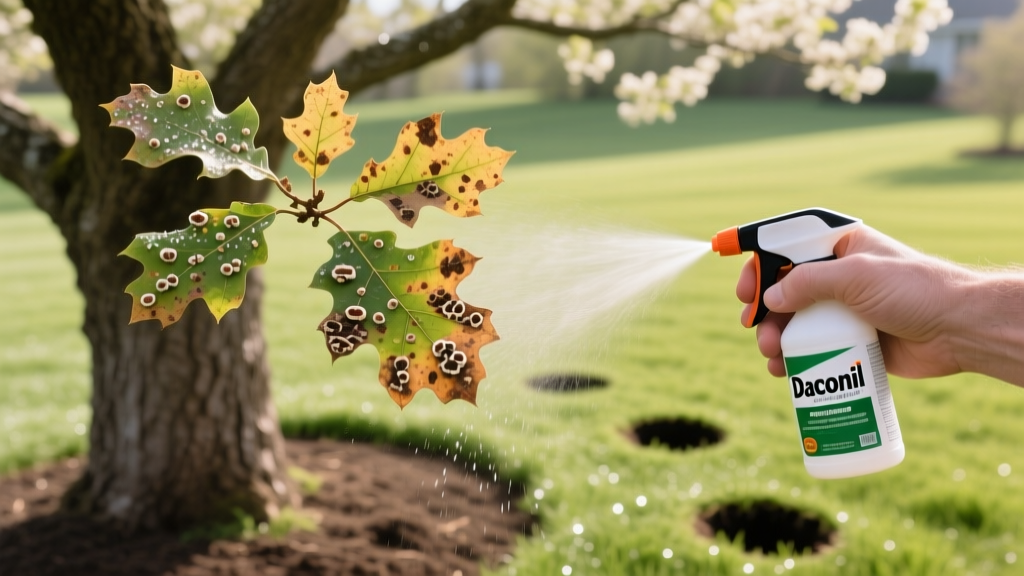
Anthracnose & Daconil Treatment: 2026 Tree Care Guide
Anna KowalskiPublished
Understanding Anthracnose in the 2026 Landscape
As we navigate the shifting climate patterns of 2026, homeowners and landscape professionals are witnessing an increase in cool, wet spring conditions that serve as a breeding ground for fungal pathogens. One of the most pervasive and destructive of these is anthracnose, a group of fungal diseases caused by various species of Colletotrichum, Apiognomonia, and Gloeosporium. While anthracnose primarily attacks the leaves and twigs of shade trees, its severity is deeply intertwined with the health of the soil and the turfgrass surrounding the tree's critical root zone.
At LawnsGuide, we advocate for an Integrated Pest Management (IPM) approach. This means treating the immediate fungal outbreak with targeted products like Daconil, while simultaneously addressing the underlying environmental stressors—such as soil compaction and poor drainage—through strategic core aeration and specialized overseeding. By managing the turf-tree interface, you can drastically reduce the microclimates that allow anthracnose spores to overwinter and splash up into the lower canopy.
Identifying Anthracnose: Symptoms by Tree Species
Before reaching for a fungicide, accurate identification is paramount. Anthracnose symptoms often mimic other environmental stresses, such as frost damage or drought. According to the University of Minnesota Extension, the disease typically manifests in early to mid-spring just after bud break, when temperatures hover between 50°F and 60°F with frequent rainfall.
Look for irregular, tan-to-brown necrotic lesions on expanding leaves. In severe cases, the fungus girdles the leaf veins, causing entire sections of the leaf to collapse. Twig dieback and the formation of small, dark fungal fruiting bodies (acervuli) on the undersides of leaves or on infected bark are also telltale signs.
| Tree Species | Primary Symptoms | Defoliation Risk |
|---|---|---|
| Sycamore | Veinal necrosis, severe twig dieback, "witches' brooms" | High (Can lose 80% of canopy by early summer) |
| White Oak | Brown patches along leaf margins, distorted new growth | Moderate (Rarely fatal, but stunts seasonal growth) |
| Ash | Dark brown spots along leaflets, premature leaf drop | Moderate to High |
| Maple | Irregular brown spots, often confused with leaf scorch | Low (Mostly cosmetic in mature specimens) |
The Hidden Culprit: Soil Compaction and Fungal Humidity
Why integrate a lawn aeration and seeding guide into a tree fungicide treatment plan? The answer lies in the soil microbiome and surface hydrology. Compacted soil around the tree's drip line prevents water from infiltrating deeply. Instead, water pools on the surface or is trapped by dense, poorly managed turfgrass canopies. This creates a high-humidity microenvironment at the soil level.
Anthracnose spores overwinter in fallen leaf litter and infected twigs on the ground. When the soil surface remains constantly damp due to compaction and poor turf drainage, the spores activate and are splashed by rain onto the lower branches of the tree. Furthermore, compacted soil suffocates the tree's fine feeder roots, inducing physiological stress that compromises the tree's natural chemical defenses against fungal invasion.
Treating Anthracnose with Daconil Fungicide
Daconil, whose active ingredient is chlorothalonil, is a broad-spectrum, multi-site contact fungicide that has been a staple in ornamental disease management for decades. It works by disrupting fungal cellular respiration, preventing spore germination and halting the spread of existing infections. However, as of 2026, environmental regulations regarding chlorothalonil have become stricter in many municipalities to protect aquatic ecosystems. Always verify local 2026 pesticide ordinances before application and strictly adhere to the product label.
Application Timing and Protocol
Timing is the most critical factor when using Daconil for anthracnose. Because it is a protectant fungicide, it must be applied before the fungus infects the new tissue.
- First Application: Apply at bud break, just as the new leaves are emerging from the buds.
- Second Application: Apply 7 to 14 days later, as the leaves are fully expanding.
- Third Application: Apply when leaves are fully expanded, especially if spring weather remains cool and wet.
For ornamental trees, the standard 2026 mixing rate for Daconil concentrate is typically 1.5 to 2.5 teaspoons per gallon of water, applied as a thorough spray to the point of runoff. Ensure you cover the undersides of the leaves and the lower twigs where spores tend to accumulate.
Safety and Environmental Precautions
Chlorothalonil is a known skin and eye irritant. When applying Daconil, wear long sleeves, chemical-resistant nitrile gloves, and protective eyewear. The Environmental Protection Agency (EPA) strongly advises against applying chlorothalonil-based products near bodies of water, storm drains, or areas where surface runoff is likely, as it is highly toxic to aquatic invertebrates and fish. Never apply Daconil to edible plants or fruit-bearing trees unless specifically permitted by the 2026 product label.
Core Aeration Around the Critical Root Zone
To break the cycle of fungal reinfection, you must improve the drainage and airflow around the tree's base. Core aeration of the surrounding lawn is a highly effective way to alleviate soil compaction, but it must be done carefully to avoid severing the tree's structural and feeder roots.
According to research from the University of Minnesota Turfgrass Science program, core aeration removes small plugs of soil (typically 2 to 3 inches deep), allowing oxygen, water, and nutrients to reach the root zone. When aerating under a tree's canopy:
- Avoid the Trunk Flare: Keep mechanical aerators at least 3 to 4 feet away from the trunk to prevent damage to major buttress roots and the bark.
- Use Air-Spading for Inner Zones: For the area immediately surrounding the trunk, consider hiring an arborist to use an air-spade. This tool uses compressed air to fracture compacted soil without slicing through delicate root tissues.
- Leave the Cores: Allow the extracted soil plugs to break down naturally. They deposit beneficial soil microbes onto the thatch layer, aiding in decomposition and improving the overall soil structure.
Overseeding for Improved Drainage and Airflow
Once the soil is aerated, overseeding the lawn under the tree's drip line is the next step in your IPM strategy. Traditional Kentucky Bluegrass forms a dense, moisture-trapping mat that keeps the soil surface perpetually damp and blocks airflow to the tree's root flare. In 2026, the best practice is to transition these shaded, tree-adjacent zones to Fine Fescues (such as Chewings, Hard, or Creeping Red Fescue).
Fine fescues are shade-tolerant, require significantly less water, and grow with a more open, upright habit. This allows the soil surface to dry out faster after a rainstorm, depriving anthracnose spores of the prolonged moisture they need to germinate and splash onto the lower canopy.
Seeding Specifications for Tree Zones
- Seed Mix: 100% Fine Fescue blend (avoid Tall Fescue in deep shade, as it can become clumpy and still trap moisture).
- Seeding Rate: 4 to 5 lbs per 1,000 square feet.
- Preparation: Rake the aeration cores lightly to break them up, creating a seedbed. Broadcast the seed and lightly drag it into the soil.
- Watering: Water lightly and frequently for the first 14 days to ensure germination, then transition to deep, infrequent watering to encourage deep root growth and a dry surface.
Your 2026 Integrated Tree and Turf Care Schedule
To keep your trees and lawns thriving, follow this seasonal timeline:
- Early Spring (Bud Break): Apply Daconil fungicide to susceptible trees. Rake up any remaining overwintered leaf litter from the previous year to remove spore sources.
- Mid-Spring: Apply second and third Daconil treatments if wet weather persists. Monitor new turfgrass growth.
- Late Summer / Early Fall: Perform core aeration on the lawn surrounding the tree. This is the optimal time for cool-season grass recovery.
- Early Fall: Overseed with Fine Fescues immediately after aeration. Apply a slow-release, low-nitrogen organic fertilizer to support both turf and tree root development without pushing vulnerable, succulent tree growth.
- Late Fall: Prune out any dead or cankered twigs from the tree canopy to improve winter airflow and remove overwintering fungal sites.
Conclusion
Managing anthracnose in 2026 requires more than just a reactive spray regimen. While Daconil remains a powerful tool for protecting emerging foliage from severe fungal damage, long-term tree health depends on the environment we cultivate below ground. By integrating careful core aeration and strategic overseeding with Fine Fescues, you eliminate the damp, compacted microclimates that allow anthracnose to thrive. This holistic approach ensures your shade trees remain vigorous, your lawn stays resilient, and your landscape remains a safe, beautiful sanctuary for years to come.
