Tree Care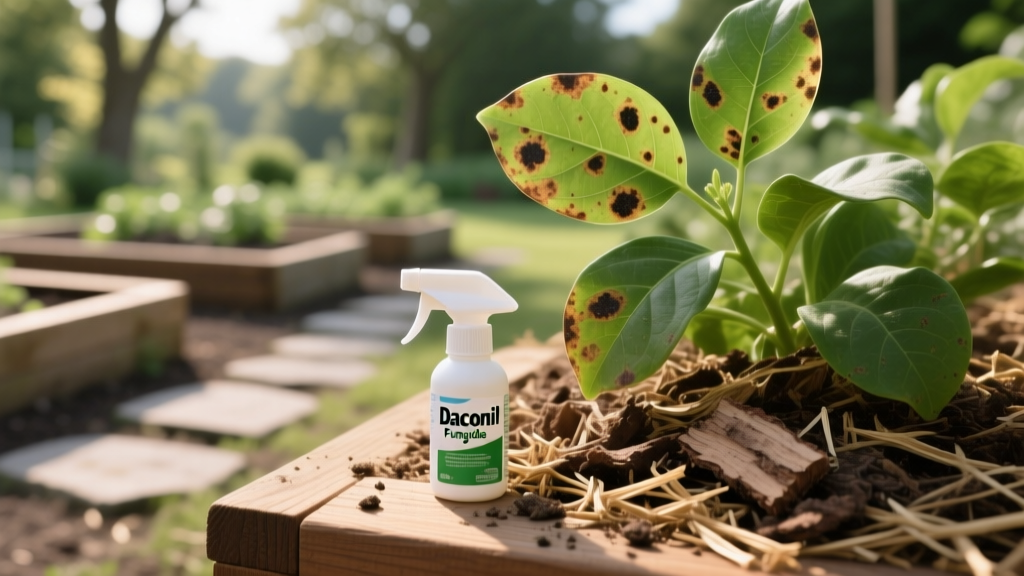
Treating Anthracnose With Daconil: 2026 Mulching Guide
Robert HayesPublished
Understanding Anthracnose in the 2026 Landscape
Anthracnose is a formidable group of fungal diseases that plague a wide variety of shade trees, including sycamore, oak, ash, and maple. Caused by several different fungi (such as Apiognomonia, Discula, and Gnomonia), this disease thrives in cool, wet spring weather. As we navigate the 2026 growing season, homeowners and landscape professionals must recognize that managing anthracnose requires more than just spraying chemicals; it demands a holistic approach that heavily integrates proper mulching methods and material selection.
While fungicides like Daconil (chlorothalonil) are highly effective protectants, their efficacy can be completely undermined if the tree's root zone and mulch ring are poorly managed. Fungal spores overwinter in fallen, infected leaves and twigs. If your mulching strategy inadvertently creates a humid incubator for these spores, the disease pressure will overwhelm even the best chemical treatments.
Identifying Anthracnose on Your Trees
Before initiating a Daconil treatment plan, accurate identification is critical. Anthracnose symptoms often mimic other environmental stresses, but there are distinct hallmarks to look for in early to mid-2026:
- Leaf Spots and Blight: Irregular, tan to brown lesions that often form along the leaf veins. In severe cases, entire leaves turn brown and wither.
- Twig Dieback: The fungus can girdle small twigs, causing them to die back from the tips. You may notice small, sunken cankers on the bark.
- Premature Defoliation: Heavily infected trees, particularly sycamores and oaks, may drop a significant portion of their leaves by early summer.
- Epicormic Sprouting: Trees that lose their primary canopy early in the season will often push out a second flush of smaller, weaker leaves along the trunk and main branches.
For a comprehensive visual guide and localized symptom tracking, the Penn State Extension provides excellent diagnostic resources for shade tree diseases. Accurate identification ensures you are not wasting Daconil on abiotic issues like drought stress or herbicide drift.
The Mulch Connection: How Spores Spread
This is where the intersection of disease management and mulching methods becomes vital. Anthracnose spores overwinter in dead leaf tissue and small twigs on the ground. When spring rains arrive, water splashes these spores from the ground onto the emerging, vulnerable new foliage.
If you practice "volcano mulching" (piling mulch high against the tree trunk) or simply lay fresh mulch directly over last year's infected, un-raked leaf litter, you are creating a catastrophic microclimate. The mulch retains excessive moisture, keeping the fungal debris damp and encouraging massive spore production. Furthermore, mulch piled against the trunk keeps the bark perpetually wet, inviting secondary opportunistic pathogens and boring insects.
Mulching Do's and Don'ts for Anthracnose-Prone Trees
| Mulching Practice | Impact on Anthracnose | 2026 Recommendation |
|---|---|---|
| Leaving infected leaf litter under new mulch | Creates a humid incubator for overwintering spores; guarantees severe spring infection. | DON'T: Always rake and remove fallen leaves from the previous year before applying fresh mulch. |
| Volcano mulching against the trunk | Traps moisture against the bark, promoting trunk cankers and root rot. | DON'T: Keep all mulch materials at least 3 to 4 inches away from the root flare. |
| Using fresh, uncomposted woodchips | May introduce new fungal pathogens or harbor spores if sourced from diseased trees. | DON'T: Avoid using raw arborist chips of unknown origin around susceptible trees. |
| Applying a 2-3 inch donut ring of composted mulch | Regulates soil moisture without trapping excess humidity; suppresses weed competition. | DO: Use the "donut method," extending the mulch ring to the drip line if possible. |
| Utilizing naturally antifungal mulch materials | Cedar and cypress contain natural oils that mildly inhibit surface fungal growth. | DO: Incorporate cedar or well-composted pine bark into your mulching strategy. |
Daconil Fungicide: Application and Timing
Daconil's active ingredient, chlorothalonil, is a broad-spectrum, contact protectant fungicide. It is crucial to understand that Daconil does not cure existing infections. It works by forming a protective barrier on the leaf surface, preventing fungal spores from germinating and penetrating the plant tissue. Therefore, timing and mulch preparation are everything.
Step 1: Sanitation and Mulch Bed Preparation
Before you even think about mixing Daconil, you must prepare the tree's base. In late winter or very early spring 2026, thoroughly rake the area beneath the tree's canopy. Remove all dead leaves, twigs, and old, matted mulch. Bag this debris and send it to a municipal composting facility (where high heat will kill the spores) or dispose of it in the trash. Do not compost it in your home pile. Once the ground is clear, apply a fresh 2-to-3-inch layer of disease-free, composted hardwood or cedar mulch, maintaining a strict 4-inch gap around the trunk.
Step 2: Mixing and Applying Daconil
According to current 2026 label instructions for ornamental and shade trees, Daconil should be applied using a pressurized pump sprayer or hose-end sprayer capable of reaching the upper canopy. For the concentrate formulation, the standard mixing ratio is typically 2.25 teaspoons per gallon of water, but always read the specific product label as formulations can vary.
- First Application: Apply at bud break, just as the new leaves are beginning to unfurl. This is the most critical spray, as it protects the highly susceptible new tissue.
- Subsequent Applications: Reapply every 7 to 14 days depending on rainfall and disease pressure, continuing until the weather warms and dries out (usually late spring).
- Coverage: Spray until the foliage is thoroughly wet but not dripping. Ensure you cover both the upper and lower leaf surfaces.
Expert Safety Note: Chlorothalonil is highly toxic to aquatic life. When spraying near the mulch ring, avoid excessive runoff onto driveways or storm drains. Allow the Daconil to dry completely on the foliage before allowing pets or children back into the treated landscape area.
For more detailed information on the environmental profile and safe handling of chlorothalonil-based products, you can review the fact sheets provided by the UMass Amherst Landscape, Nursery, and Urban Forestry Program, which routinely updates its pesticide and disease management guidelines for arborists and homeowners.
Selecting the Right Mulch Materials for Disease Resistance
When managing anthracnose, the material you choose to mulch your trees is just as important as the method of application. Not all mulches are created equal when it comes to fungal suppression.
1. Composted Pine Bark
Composted pine bark is an excellent choice for disease-prone trees. The composting process generates enough heat to sterilize the material, ensuring no anthracnose spores are introduced to the root zone. Furthermore, pine bark decomposes slowly and does not mat down, allowing for proper gas exchange and water infiltration without creating the soggy conditions fungi love.
2. Cedar and Cypress Mulch
Cedar and cypress heartwoods contain natural compounds (such as thujone) that possess mild antifungal and antibacterial properties. While they will not cure a severe anthracnose outbreak on their own, they create a less hospitable environment for surface-level fungal proliferation compared to raw hardwood chips.
3. Materials to Avoid
Avoid using fresh, uncomposted woodchips from local tree trimming services unless you are absolutely certain the source trees were disease-free. Fresh chips can harbor a myriad of pathogens, and as they begin to break down, they can temporarily tie up soil nitrogen and create a dense, moisture-trapping mat that exacerbates the splash-dispersal of anthracnose spores.
2026 Seasonal Care Schedule
To keep your shade trees vigorous and resistant to anthracnose year after year, follow this integrated mulching and treatment schedule:
- Late Winter (Dormancy): Prune out dead or cankered twigs. Sterilize pruning tools with 70% isopropyl alcohol between cuts to prevent spreading the fungus.
- Early Spring (Bud Break): Rake and remove all old leaf litter. Apply fresh composted mulch using the donut method. Apply the first preventative spray of Daconil.
- Mid-Spring: Monitor weather forecasts. If cool, wet rains persist, continue Daconil applications on a 10-day interval. Ensure the mulch ring has not shifted against the trunk during spring storms.
- Summer: Discontinue fungicide sprays once the weather becomes consistently hot and dry, as anthracnose activity halts. Water deeply at the base of the tree (avoiding overhead irrigation which wets the leaves and promotes disease).
- Autumn: As leaves begin to fall, rake them up promptly. Do not let them sit on top of the mulch ring over winter. A clean landscape entering the winter months drastically reduces the spore load for the following spring.
Conclusion
Defeating anthracnose in 2026 requires a synergy between chemical protection and cultural best practices. Daconil fungicide is a powerful tool for protecting emerging foliage, but it cannot compensate for a poorly maintained landscape. By rigorously removing infected debris, applying the correct depth and type of mulch, and maintaining a strict trunk-clearance zone, you drastically reduce the environmental conditions that allow anthracnose to thrive. Combine these mulching methods with timely Daconil applications, and your sycamores, oaks, and maples will maintain a lush, healthy canopy throughout the season.