Tree Care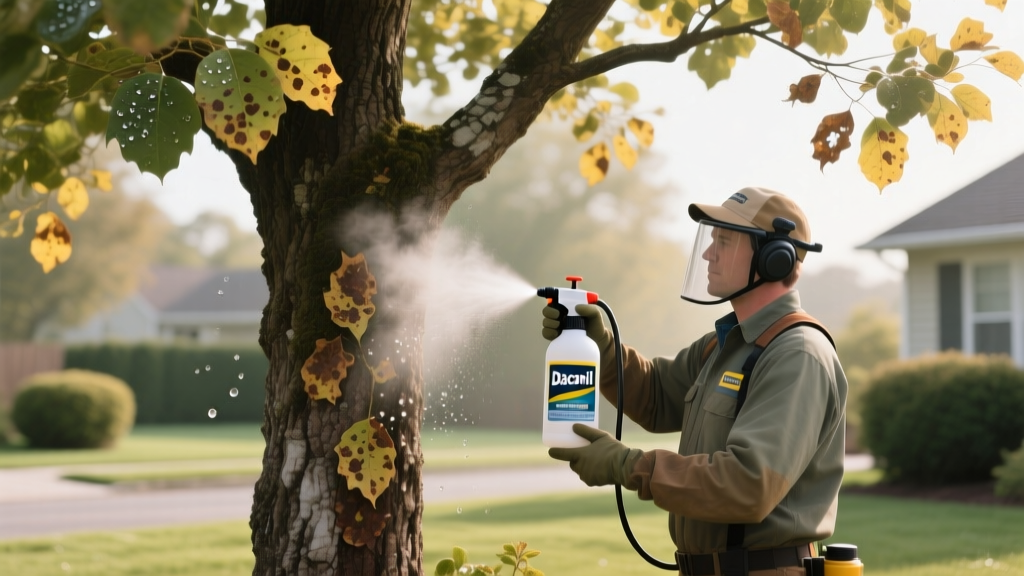
Photographing Anthracnose & Daconil Treatment Guide 2026
Anna KowalskiPublished
The Intersection of Arboriculture and Visual Documentation
In the modern era of landscape management, treating tree diseases is only half the battle; documenting the progression and efficacy of your treatments is equally critical. Anthracnose, a common fungal disease affecting shade trees like sycamores, oaks, maples, and ash, can cause severe defoliation and twig dieback if left unchecked. As we navigate the 2026 growing season, combining rigorous visual documentation with targeted chemical interventions, such as Daconil (chlorothalonil) fungicide, provides the most reliable path to tree recovery. By treating your garden photography not just as an artistic endeavor, but as a clinical diagnostic tool, you can track the exact spread of the fungus and measure the success of your fungicide applications over time.
Identifying Anthracnose Through the Lens
Anthracnose is caused by several species of fungi, notably Apiognomonia veneta on sycamores and Discula destructiva on dogwoods. Early identification is paramount, and your camera is your best diagnostic tool. When scouting your trees in early spring, look for irregular, tan to brown spots on expanding leaves. Unlike other leaf spot diseases, anthracnose lesions often follow the leaf veins, creating a distinct necrotic pattern that can cause the leaf to curl and distort.
To properly document these symptoms, you must move beyond standard landscape shots. Switch your camera or smartphone to a macro or close-up mode. According to the University of Minnesota Extension, anthracnose can also cause shoot blight, where young twigs are girdled and killed, leading to a 'shepherd's crook' appearance. Photograph these twig cankers with a focus on the transition zone between healthy green bark and the sunken, discolored canker. Use a small collapsible reflector to bounce natural light into the dense canopy, eliminating the harsh shadows that often obscure early-stage fungal fruiting bodies (acervuli) on the underside of the leaves.
Building a Clinical Photo Journal
A scattered camera roll is useless for tracking disease progression. To build an effective clinical photo journal for your trees, you must establish a standardized documentation protocol. First, always include a scale reference in your macro shots. A small photographic ruler or even a standard coin placed next to the leaf spot provides crucial context for measuring lesion expansion over time.
Second, leverage the GPS and timestamp metadata embedded in modern digital files. In 2026, most garden documentation apps automatically sync your photos to a map-based ledger, allowing you to see exactly which quadrant of your property is experiencing the heaviest fungal pressure. When photographing a tree scheduled for Daconil treatment, take a 'baseline' set of photos from four cardinal directions (North, South, East, West) at a fixed distance from the trunk. This ensures that when you return weeks later to assess the fungicide's protective barrier, you are comparing apples to apples, evaluating the exact same branches and foliage density.
Daconil (Chlorothalonil) Treatment Protocols for 2026
Once your visual evidence confirms an anthracnose infection, it is time to intervene. Daconil, whose active ingredient is chlorothalonil, is a broad-spectrum, protectant fungicide. It is crucial to understand that Daconil does not cure already infected tissue; rather, it forms a protective barrier on the leaf surface that prevents fungal spores from germinating and penetrating the plant cuticle.
Timing is everything. The Cornell University Plant Clinic emphasizes that fungicide applications for anthracnose must begin at bud break and continue at 10 to 14-day intervals until the leaves are fully expanded and the weather turns consistently warm and dry. For the 2026 season, a 32-ounce bottle of Daconil concentrate typically retails between $28 and $35, which is enough to treat multiple mature shade trees when mixed correctly.
Mixing and Application:
- Ratio: Mix 2.25 teaspoons of Daconil concentrate per gallon of water for general tree and shrub application.
- Equipment: Use a pump-action backpack sprayer for even coverage. Ensure the nozzle is adjusted to a fine mist to coat both the upper and lower leaf surfaces.
- Safety Gear: Chlorothalonil requires strict adherence to safety protocols. Always wear chemical-resistant gloves, long sleeves, protective eyewear, and an N95 or P100 respirator mask during mixing and spraying.
- Environmental Conditions: Apply early in the morning when wind speeds are below 5 mph to prevent drift, and ensure no rain is forecasted for at least 24 hours to allow the fungicide to dry and bind to the leaf surface.
Visual Tracking Schedule: Documentation vs. Treatment
To truly understand the value of your garden photography, you must align your photo sessions with your Daconil application schedule. The table below outlines a standard 8-week spring protocol for managing anthracnose on a mature sycamore or oak tree.
| Week | Tree Phenology Stage | Treatment Action | Photography & Documentation Task |
|---|---|---|---|
| Week 1 | Bud Break | Apply Daconil (First Spray) | Macro shots of emerging buds; baseline canopy density shots from 4 cardinal points. |
| Week 3 | Leaf Expansion | Apply Daconil (Second Spray) | Photograph lower canopy leaves with a scale ruler to check for initial spotting. |
| Week 5 | Full Leaf Out | Apply Daconil (Third Spray) | Document any 'shepherd's crook' twig blight; assess underside of leaves for acervuli. |
| Week 7 | Canopy Maturation | Evaluate Weather (Pause if dry) | Wide-angle canopy shots to assess overall defoliation compared to Week 1. |
| Week 8 | Summer Hardening | No Spray (Monitor Only) | Final spring macro assessment; log GPS data of heavily affected branches for autumn pruning. |
Recommended Camera Gear for Tree Disease Documentation
You do not need a $3,000 DSLR setup to document tree diseases effectively, but having the right tools makes a significant difference. In 2026, flagship smartphones like the iPhone 17 Pro and Samsung Galaxy S26 Ultra feature dedicated 5x optical macro lenses that are incredibly capable of capturing the minute details of fungal spores and leaf vein necrosis. When using a smartphone, tap to lock focus and exposure on the leaf spot, then manually lower the exposure slightly to prevent the bright green leaf from blowing out the highlights.
If you prefer a dedicated mirrorless camera, equip it with a 90mm or 100mm macro lens. The working distance provided by a 100mm lens is vital for tree care, as it allows you to capture extreme close-ups of thorny branches or poison ivy-laden trunks without physically pressing your body against the tree. Additionally, invest in a circular polarizing filter (CPL). Leaves have a naturally waxy cuticle that reflects sunlight, creating harsh white glare that hides the subtle brown and tan margins of anthracnose lesions. A CPL cuts through this glare, revealing the true color and extent of the fungal infection beneath the surface shine.
Post-Season Analysis and Pruning
Once the spring treatment cycle concludes and summer sets in, your photo journal becomes a map for winter maintenance. Anthracnose fungi overwinter in infected twigs and fallen leaves. By reviewing your geotagged photos from Week 5 and Week 8, you can identify exactly which branches suffered from severe shoot blight. During the dormant season, use this visual data to perform targeted pruning, removing the dead and cankered wood to reduce the primary inoculum for the following year. Raking and destroying fallen leaves is also a mandatory step, as the fungus will readily survive in the leaf litter.
Conclusion
Managing anthracnose requires a blend of chemical precision and observational patience. By treating your garden photography as a scientific documentation tool, you elevate your tree care from guesswork to a data-driven practice. Daconil remains a highly effective protectant fungicide in 2026, but its success relies entirely on proper timing, thorough coverage, and consistent reapplication during vulnerable growth stages. Grab your camera, calibrate your sprayer, and start building a visual legacy that not only captures the beauty of your landscape but actively safeguards its health against the relentless spread of fungal pathogens.
