Pest Control
How to Apply Beneficial Nematodes for Lawn Grub Control
Why Choose Beneficial Nematodes for Grub Control?
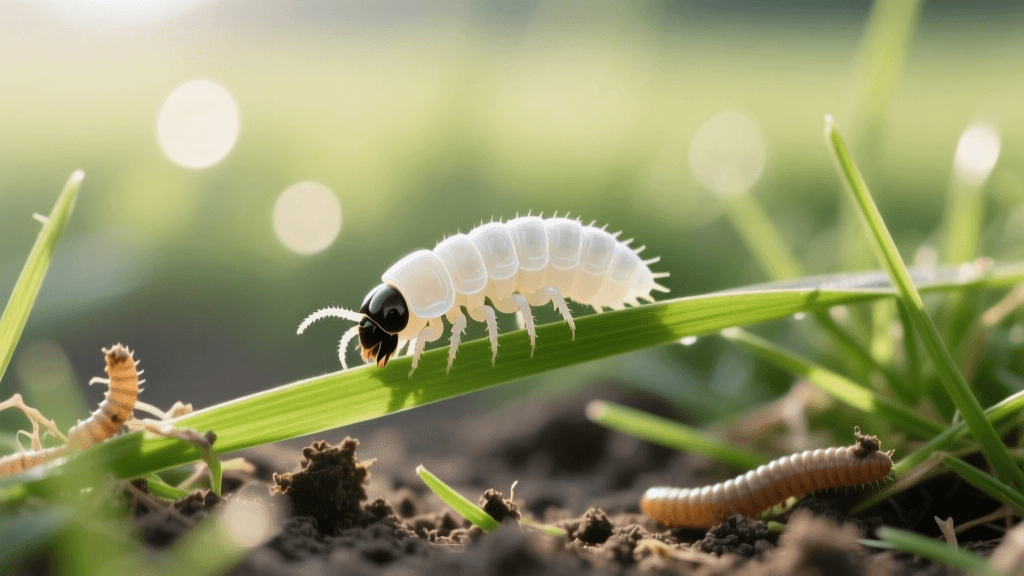
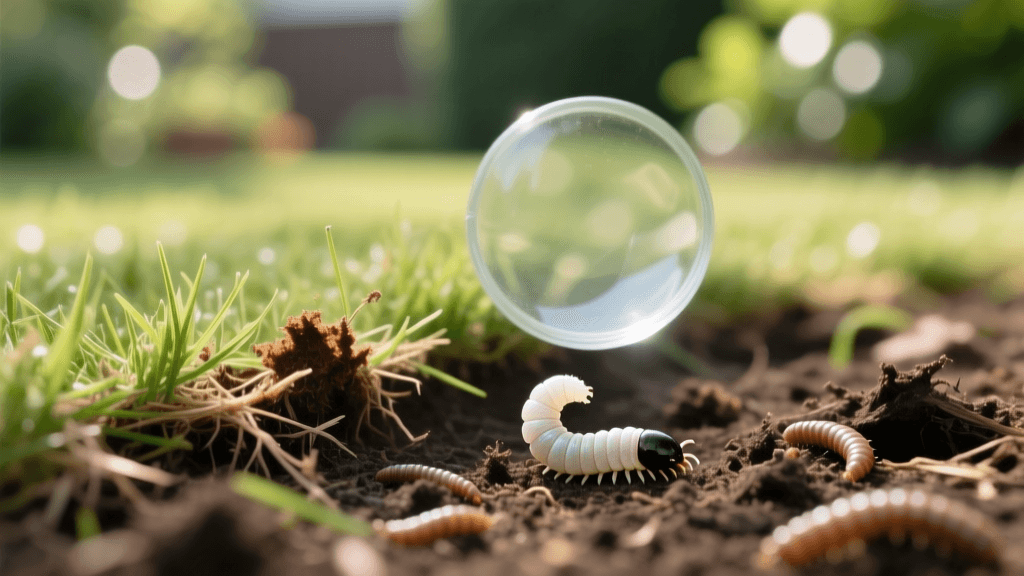
White grubs are the larval stage of various scarab beetles, including Japanese beetles, June bugs, and European chafers. These subterranean pests feed aggressively on grassroots, causing irregular brown patches, spongy turf, and secondary damage from foraging skunks and raccoons. While synthetic chemical insecticides like imidacloprid or trichlorfon have historically been the go-to solution, Integrated Pest Management (IPM) increasingly favors biological controls. Beneficial nematodes offer a highly effective, organic, and eco-friendly alternative to harsh chemicals.
Entomopathogenic nematodes are microscopic, unsegmented roundworms that naturally occur in soils worldwide. When applied to your lawn, these microscopic hunters actively seek out grub larvae in the soil. Upon finding a host, they penetrate the grub's body cavity and release symbiotic bacteria that rapidly kills the pest within 24 to 48 hours. The nematodes then reproduce inside the dead grub, releasing thousands of new infective juveniles into the surrounding soil to continue the cycle. Best of all, they are completely safe for humans, pets, earthworms, and beneficial pollinators.
Identifying the Right Time for Application
Timing is the single most critical factor in nematode success. Nematodes are living organisms that require specific environmental conditions to survive and hunt effectively. According to the Penn State Extension, the optimal time to treat for grubs is when the larvae are young, actively feeding, and located near the soil surface. This typically occurs in late summer to early fall (August through October, depending on your hardiness zone).
Soil temperature is your best guide. Nematodes become active and begin hunting when soil temperatures consistently reach 60 degrees Fahrenheit at a depth of two inches. If the soil is too cold, the nematodes will remain dormant; if it is too hot (above 90 degrees Fahrenheit), they will die off rapidly. You can measure this using a simple soil thermometer inserted into the turf.
Step-by-Step Guide to Applying Nematodes
Applying beneficial nematodes requires a slightly different approach than broadcasting granular fertilizers or spraying synthetic herbicides. Follow this practical, actionable guide to ensure maximum efficacy.
Step 1: Prepare Your Lawn
Nematodes must travel through the soil profile to reach the grubs. Heavy thatch layers act as a physical barrier, trapping the nematodes on the surface where they will quickly dry out and die from UV exposure.
- Dethatch: If your thatch layer exceeds half an inch, rent a power dethatcher or use a manual thatching rake to open the soil surface.
- Aerate: Core aeration is highly recommended before application. The holes created by the aerator provide direct highways for the nematodes to reach the root zone where grubs are feeding.
- Pre-Irrigate: Water your lawn deeply 24 hours before application. Nematodes require a moist environment to swim through the soil pores. Dry soil is a death sentence for these microscopic organisms.
Step 2: Mix the Nematode Solution
Beneficial nematodes are typically shipped in a dormant state, either mixed in a clay powder, suspended in a gel, or housed in a moist sponge. Popular commercial products include Scanmask, NemAttack, and BioLogic's Ecomask.
- Use Chlorine-Free Water: Chlorine and chloramines found in municipal tap water will kill nematodes on contact. If you must use tap water, let it sit in an open bucket for at least 24 hours to allow the chlorine to off-gas, or use distilled or collected rainwater.
- Hydrate and Mix: Follow the manufacturer's instructions to hydrate the sponge or dissolve the powder. Stir the solution gently but thoroughly to ensure an even distribution of the organisms.
- Keep it Cool: Do not let the mixed solution sit in direct sunlight or hot conditions. Keep the bucket in the shade and apply the mixture within a few hours of mixing.
Step 3: Apply the Solution
Because nematodes are highly susceptible to ultraviolet (UV) light degradation, application timing during the day is crucial.
- Time of Day: Apply nematodes in the early morning, late evening, or on a heavily overcast day. Never apply them during the heat of the afternoon sun.
- Equipment: Use a hose-end sprayer designed for biologicals, a pump-action backpack sprayer, or a simple watering can. If using a sprayer, remove any fine mesh filters that might trap or crush the nematodes. Ensure the sprayer has not been previously used for harsh chemical pesticides or herbicides, as residue will kill the nematodes.
- Agitate Frequently: Nematodes will settle to the bottom of your sprayer tank. Shake or agitate the tank every few minutes during application to maintain a uniform concentration.
Step 4: Water and Maintain
The application is not complete until the nematodes are washed into the soil.
- Water In Immediately: Right after applying the nematode solution, irrigate the lawn with an additional quarter-inch of water. This washes the nematodes off the grass blades and into the soil profile.
- Maintain Moisture: The soil must remain consistently moist (but not waterlogged) for the next 10 to 14 days while the nematodes hunt and reproduce. Water lightly every day or two, depending on your local weather and soil drainage.
- Avoid Chemical Fertilizers: High-nitrogen synthetic fertilizers and broad-spectrum chemical pesticides can harm nematode populations. Stick to organic soil amendments during the treatment window.
Nematode Species Comparison Chart
Not all nematodes hunt the same way or target the same pests. Choosing the correct species is vital for integrated pest management. Below is a comparison of the two most common species used in lawn care.
| Species | Hunting Strategy | Primary Targets | Optimal Soil Temp |
|---|---|---|---|
| Heterorhabditis bacteriophora (Hb) | Cruiser (Actively searches soil) | Deep-dwelling grubs (Japanese beetle, June bug) | 60F to 85F |
| Steinernema carpocapsae (Sc) | Ambusher (Waits near surface) | Surface pests (Sod webworms, cutworms, fleas) | 55F to 80F |
For lawn grub control, Heterorhabditis bacteriophora is widely considered the superior choice because its active cruising behavior allows it to track down grubs hiding deeper in the root zone.
Cost and Coverage Expectations
When budgeting for biological pest control, understanding coverage rates and costs helps you plan effectively. Nematodes are sold by the millions, and application rates generally recommend 1 to 5 million nematodes per 1,000 square feet, depending on the severity of the infestation.
- 5 Million Pack: Covers approximately 1,500 to 2,500 square feet. Average cost: $35 to $45. Ideal for spot-treating localized brown patches.
- 10 Million Pack: Covers approximately 3,000 to 5,000 square feet. Average cost: $50 to $65. Suitable for standard-sized suburban front or backyards.
- 50 Million Pack: Covers up to 1/4 acre (approx. 10,000 square feet). Average cost: $90 to $120. The most cost-effective option for large properties or severe, lawn-wide infestations.
While the upfront cost of beneficial nematodes may appear slightly higher than a bag of synthetic chemical granules, the long-term benefits to soil health, local watersheds, and pollinator populations make it a cornerstone of sustainable lawn care.
Expert Insights and Authoritative Sources
Integrated Pest Management relies on science-backed strategies rather than calendar-based chemical spraying. The University of Florida IFAS Extension emphasizes that biological controls like nematodes are most effective when paired with proper cultural practices, such as maintaining optimal mowing heights and avoiding over-fertilization, which can actually attract egg-laying adult beetles.
According to the Penn State Extension's turfgrass management guidelines, 'Biological insecticides such as beneficial nematodes provide excellent control of white grubs when applied at the correct time and under proper soil moisture conditions, offering a viable alternative to neonicotinoid insecticides.'
By following this practical how-to guide, you can successfully integrate beneficial nematodes into your lawn care routine, effectively eliminating destructive grubs while fostering a vibrant, ecologically balanced turf ecosystem.