Pest Control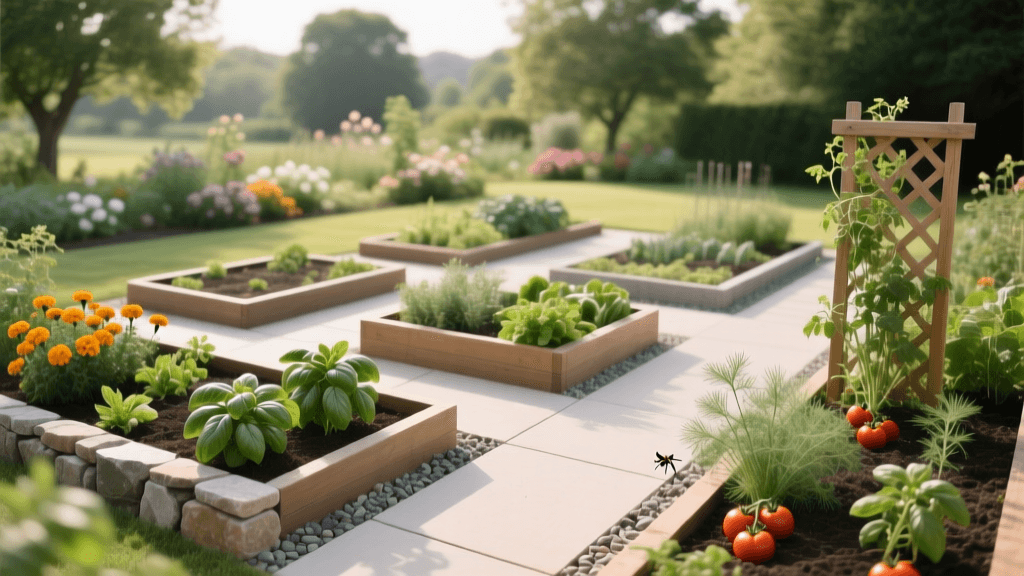
Pest-Resistant Landscape Design: Garden Layout & Plant Guide
Designing a Defensible Landscape: The First Line of Pest Control
When most homeowners think of pest control, they picture spraying synthetic chemicals or setting mechanical traps. However, the most effective and sustainable pest management strategy begins long before a single pest appears: during the landscape design and planning phase. By integrating pest-resistant design principles, you can create a beautiful yard that naturally repels insects, rodents, and nuisance wildlife while minimizing the need for reactive, costly treatments.
According to the University of California Statewide Integrated Pest Management (UC IPM) Program, modifying the landscape environment to make it less hospitable to pests is a foundational pillar of long-term pest prevention. This approach, known as cultural and physical control, saves money, protects local ecosystems, and drastically reduces your reliance on broad-spectrum pesticides. Below is a comprehensive guide to planning your landscape with pest control in mind, from grading and hardscaping to plant selection and companion planting.
Site Grading and Moisture Management
Excess moisture is a beacon for pests. Mosquitoes, fungus gnats, termites, and carpenter ants all require high moisture levels to breed and thrive. Designing your yard with proper drainage is the first step in ecological pest control.
- Establish a 5% Slope: Ensure the ground slopes away from your home’s foundation at a minimum grade of 5% (a 6-inch drop over the first 10 feet) to prevent water pooling.
- Install French Drains: In low-lying areas where water naturally collects, plan for subsurface French drains. A typical residential French drain costs between $20 and $30 per linear foot installed.
- Eliminate Standing Water: Design patios and walkways with a slight 1/8-inch per foot pitch. For unavoidable water features or rain barrels, plan to use Bacillus thuringiensis israelensis (Bti) dunks. Bti is a naturally occurring bacterium that targets mosquito and fungus gnat larvae without harming pets, birds, or beneficial insects. A single dunk costs about $1 and treats 100 square feet of water for 30 days.
Hardscaping and Foundation Buffers
The transition zone between your soil and your home’s structure is highly vulnerable to wood-destroying organisms and burrowing rodents. Strategic hardscaping creates a physical barrier that deters these invaders.
- The 6-Inch Mulch Rule: Never allow organic mulch to touch your home’s siding or brick weep holes. Maintain a strict 6-inch vertical gap between the top of the mulch and the bottom of your siding to prevent termites and carpenter ants from building hidden mud tubes into your walls.
- Gravel Perimeter Borders: Instead of mulch, design an 18-to-24-inch wide border of crushed stone or pea gravel around your foundation. Gravel drains rapidly, depriving termites of the moisture they need, and creates an uncomfortable, abrasive surface for rodents and slugs. Crushed limestone gravel costs approximately $40 to $55 per ton, making it a cost-effective, long-term pest deterrent.
- Elevated Hardscaping: When designing raised beds or wooden decks, use naturally rot-resistant woods like cedar or redwood, or opt for composite materials. If using wood, install physical termite shields or treat the soil beneath with a borate-based barrier during construction.
Strategic Plant Zoning and Selection
A well-planned garden avoids monocultures, which act as all-you-can-eat buffets for specialized pests like aphids and Japanese beetles. Instead, use a zoning strategy to place plants according to their susceptibility and your tolerance for damage.
- Zone 1 (High Visibility / Near House): Plant highly resistant, low-maintenance species. Avoid planting fruit-bearing trees or highly fragrant, nectar-heavy flowers directly against the house, as these attract wasps, ants, and fruit flies near your living spaces.
- Zone 2 (Mid-Yard Beds): Mix ornamental grasses, native shrubs, and perennials. Native plants are naturally adapted to local pest pressures and generally require fewer chemical interventions.
- Zone 3 (Perimeter and Edges): Place your most vulnerable plants, such as vegetable gardens or prized hybrid roses, further from the house and wild areas where deer and rabbits forage. Surround these zones with physical barriers or pest-deterring hedge rows.
Companion Planting Chart for Natural Pest Deterrence
Strategic plant pairing is a cornerstone of ecological garden design. Certain plants emit volatile organic compounds (VOCs) that mask the scent of vulnerable crops or actively repel specific insects. Below is a planning chart for integrating pest-deterring plants into your garden beds.
| Repellent Plant | Target Pests | Best Companion Plants | Design Placement Tips |
|---|---|---|---|
| French Marigolds (Tagetes patula) | Root-knot nematodes, whiteflies, aphids | Tomatoes, peppers, roses | Plant as a dense 12-inch border around vegetable beds in early spring. |
| Alliums (Garlic, Chives, Ornamental Onions) | Spider mites, aphids, Japanese beetles | Roses, brassicas, fruit trees | Interplant among susceptible shrubs; their strong sulfur compounds mask host scents. |
| Nasturtiums (Tropaeolum majus) | Act as a "trap crop" for aphids and squash bugs | Squash, cucumbers, melons | Plant 3 feet away from main crops to draw pests away from your harvest. |
| Lavender and Rosemary | Deer, rabbits, mosquitoes, and fleas | Patios, walkways, seating areas | Use as fragrant border hedges along pathways where humans and pets frequent. |
| Sweet Alyssum (Lobularia maritima) | Attracts predatory hoverflies (which eat aphids) | Leafy greens, cabbage, broccoli | Sow seeds directly in garden pathways or as a living mulch under taller crops. |
Designing Insectary Habitats for Beneficial Predators
Integrated Pest Management (IPM) relies heavily on biological control—using nature’s own predators to keep pest populations in check. You can design specific "insectary strips" into your landscape to provide year-round shelter, nectar, and pollen for beneficial insects like ladybugs, lacewings, and parasitic wasps.
- Umbel-Shaped Flowers: Insects with short mouthparts, such as predatory hoverflies and parasitic wasps, require shallow, accessible nectar. Plan your perennial beds to include yarrow, dill, fennel, and Queen Anne’s lace.
- Overwintering Shelters: Beneficial insects need places to hide during the winter and extreme summer heat. Incorporate small brush piles, unmowed native grass patches, or insect hotels into the less visible corners of your yard.
- Continuous Bloom Succession: Design your planting calendar so that something is always blooming from early spring to late fall. Gaps in blooming periods will force beneficial predators to leave your yard in search of food, allowing pest populations to rebound.
Planning Your Seasonal Maintenance Calendar
A pest-resistant design must be paired with a proactive maintenance plan. When designing your landscape, consider the seasonal chores required to keep your pest defenses intact.
- Early Spring: Apply a 2-to-3-inch layer of fresh cedar or cypress mulch to garden beds. These woods contain natural oils (thujone) that repel termites, ants, and cockroaches. Budget approximately $5 to $7 per cubic foot for premium cedar mulch.
- Mid-Summer: Prune tree branches so they maintain at least a 3-foot clearance from your roofline and siding. This eliminates the "highway bridges" that roof rats and carpenter ants use to bypass ground-level barriers.
- Late Autumn: Design your yard with easy cleanup in mind. Avoid placing delicate, high-maintenance perennials under large deciduous trees. Fallen leaves trapped in dense, thorny shrubs create the perfect overwintering habitat for squash bugs and spider mites. Opt for smooth, broad-leafed groundcovers that make leaf removal effortless.
Conclusion: The ROI of Pest-Resistant Design
Investing time and resources into pest-resistant landscape design yields compounding returns. While upfront costs for grading, gravel borders, and specialized companion plants may be slightly higher than traditional landscaping, the long-term savings on chemical treatments, termite repairs, and plant replacements are substantial. By viewing your yard as a holistic ecosystem, you can cultivate a vibrant, thriving landscape that naturally defends itself against pests, ensuring a safer environment for your family, pets, and local wildlife.