Pest Control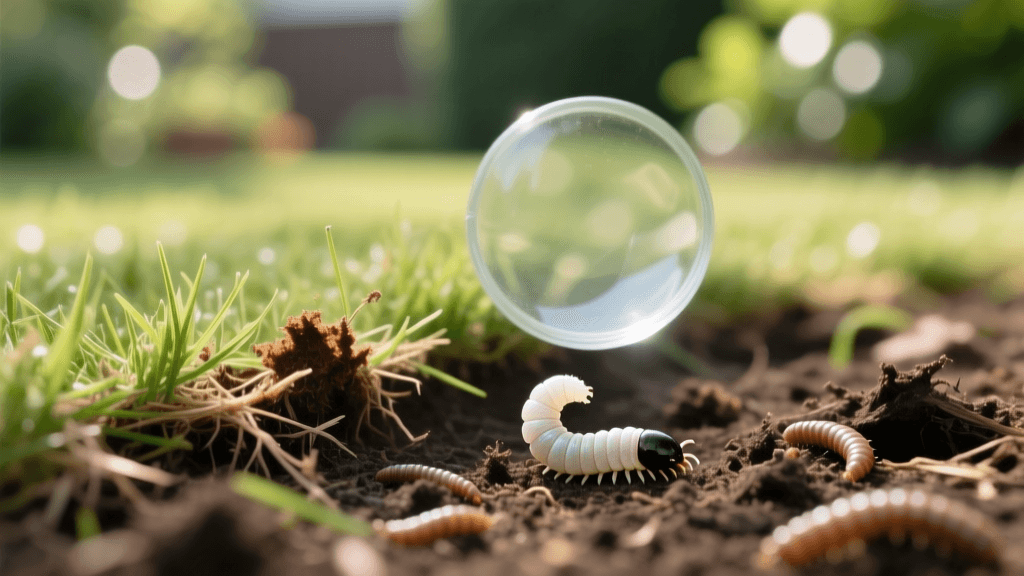
How to Identify and Eliminate Lawn Grub Worms Effectively
The Hidden Threat: Diagnosing Grub Worm Damage in Your Turf
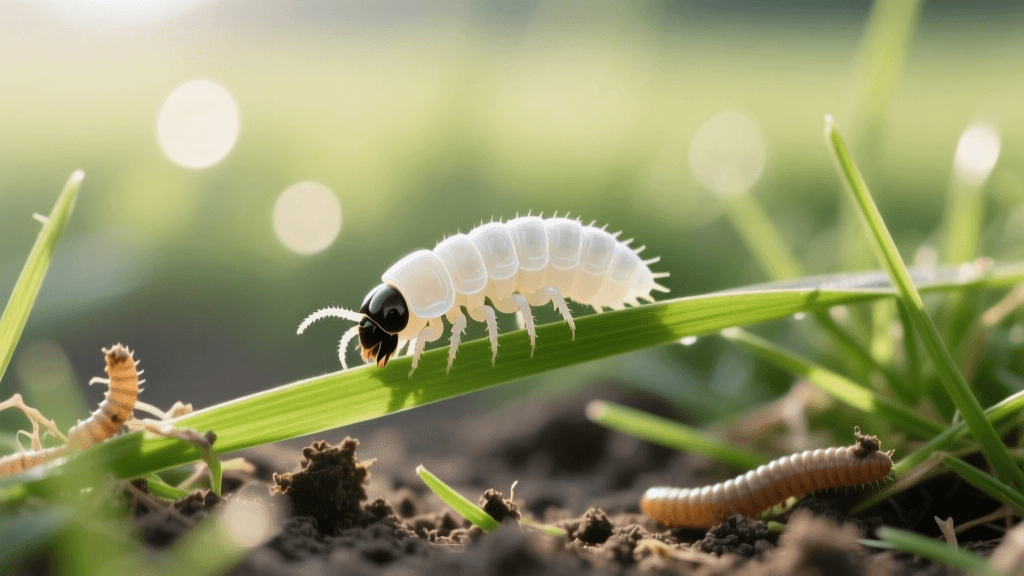
White grubs are the immature, larval stage of various scarab beetles, including Japanese beetles, June bugs, and European chafers. These C-shaped, cream-colored pests live just beneath the soil surface, feeding aggressively on the root systems of your turfgrass. Because the damage occurs underground, many homeowners mistake grub infestations for drought stress, fungal diseases, or dog urine burn. However, left untreated, a severe grub infestation can destroy an entire lawn in a matter of weeks.
Diagnosing a grub problem requires looking beyond the surface. The most common above-ground symptoms include irregular patches of brown, dead grass that fail to green up after watering. You may also notice increased activity from foraging animals like skunks, raccoons, and crows, which will tear up your turf to feast on the protein-rich larvae. Additionally, flocks of starlings or robins repeatedly pecking at the soil are a strong biological indicator of a grub presence.
The Peel Test: Confirming a Grub Infestation
Before purchasing any pest control products, you must confirm that grubs are the actual culprit. The most reliable diagnostic method is the 'Peel Test' or 'Tug Test'. Follow these actionable steps to scout your lawn:
- Locate the Margins: Find the border where the brown, damaged grass meets the healthy, green grass. Grubs are usually most active at the leading edge of the damage.
- Cut a Sample: Using a flat-edged shovel or a sod cutter, cut a 12-inch by 12-inch square of turf (exactly 1 square foot) about 2 to 3 inches deep.
- Peel and Inspect: Grab the edge of the sod and peel it back like a carpet. If grubs are the issue, the roots will have been severed, and the sod will lift with almost no resistance.
- Count the Pests: Sift through the exposed soil and the underside of the sod. Count the number of white, C-shaped grubs you find in that single square foot area.
Identifying the Culprit: Common Lawn Grub Species
Not all grubs are created equal. Identifying the specific species can help you predict their life cycle and choose the most effective treatment. Entomologists identify grub species by examining the 'raster pattern'—the arrangement of tiny bristles and hairs on the underside of the grub's tail end (raster).
| Grub Species | Raster Pattern | Life Cycle | Peak Damage Period |
|---|---|---|---|
| Japanese Beetle | V-shaped pattern | 1 Year | August to October |
| European Chafer | Y-shaped (zipper) | 1 Year | September to November |
| June Bug (May Beetle) | Parallel lines | 1 to 3 Years | Spring and Fall |
| Asiatic Garden Beetle | No distinct pattern | 1 Year | August to October |
The Action Threshold: When Should You Treat?
Finding one or two grubs in a square foot sample is no cause for panic. A robust, well-maintained lawn can easily outgrow minor root feeding. According to the University of Kentucky College of Agriculture, Food and Environment, the treatment threshold for most turfgrasses is between 5 and 10 grubs per square foot. If your lawn is stressed from drought or poor soil conditions, the threshold drops closer to 5 grubs per square foot. If you count more than 10 grubs per square foot across multiple samples, immediate curative action is required to save your turf.
Organic and Biological Control Solutions
For homeowners practicing Integrated Pest Management (IPM) or those with pets and children, biological controls offer a highly effective, eco-friendly alternative to synthetic chemicals.
Beneficial Nematodes (Heterorhabditis bacteriophora)
Beneficial nematodes are microscopic, unsegmented worms that naturally occur in soil. The Hb strain specifically targets and infects white grubs, releasing bacteria that kill the host within 48 hours. Cost: Approximately $35 to $45 per million nematodes (treats roughly 2,000 square feet). Timing: Apply in late summer or early fall when grubs are small and actively feeding near the surface. Application Tip: Nematodes are highly sensitive to UV light and desiccation. Apply them in the late evening or on an overcast day, and irrigate the lawn immediately before and after application to wash them into the root zone.
Milky Spore Disease (Paenibacillus popilliae)
Milky spore is a naturally occurring bacterium that targets only Japanese beetle grubs. When the grub ingests the spores, the bacteria multiply in its gut, killing it and releasing billions of new spores into the soil. Cost: $40 to $60 for a 40-ounce box (treats 4,000 square feet). Timing: Apply in early fall. Caveat: Milky spore is a long-term investment. It can take 2 to 3 years for the spore count in the soil to build up to effective levels, and it is completely ineffective against European chafers or June bugs.
Chemical Control: Preventative vs. Curative Pesticides
When grub populations exceed the action threshold, synthetic pesticides provide rapid and reliable control. Chemical treatments are divided into two categories: preventatives and curatives.
Preventative Treatments (Spring to Early Summer)
Preventatives target grubs as they hatch, stopping them before they can cause significant root damage. These products must be applied before the eggs hatch and require watering in to activate.
- Chlorantraniliprole (e.g., Scotts GrubEx, Acelepryn): This is the safest preventative for pollinators and earthworms. Apply between April and early June. It provides season-long control but takes a few weeks to become fully active in the soil. Cost: ~$25 for a 5,000 sq ft bag.
- Imidacloprid / Clothianidin (e.g., BioAdvanced 24 Hour Grub Killer Plus): These neonicotinoids are fast-acting and highly effective against young grubs. Apply in June or July. Warning: Neonicotinoids are highly toxic to bees. Never apply to lawns with blooming weeds like clover or dandelions, and avoid application if bees are actively foraging.
Curative Treatments (Late Summer to Fall)
If you missed the preventative window and discover an active infestation in August or September, you need a fast-acting curative insecticide. Curatives have a shorter residual effect but kill large, actively feeding grubs on contact.
- Trichlorfon (e.g., Dylox 24 Hour Grub Control): This is the industry standard for late-season rescue treatments. It penetrates the thatch layer quickly and kills grubs within 24 hours. Apply from mid-August through September. Cost: ~$30 for a 10,000 sq ft bag. Application Tip: Trichlorfon degrades rapidly in highly alkaline soils (pH above 7.5). If your soil is alkaline, apply the product and water it in immediately to prevent the active ingredient from breaking down before it reaches the root zone.
Cultural Practices for Long-Term Grub Prevention
Pest control is not just about applying products; it is about creating an environment where turfgrass can outcompete pests. Implementing the following cultural practices will make your lawn naturally resilient to grub damage.
Deep and Infrequent Watering
Scarab beetles prefer to lay their eggs in moist, irrigated soil during the heat of mid-summer. If you water your lawn lightly every day, you are creating the perfect nursery for grubs. Instead, water deeply and infrequently, providing about 1 inch of water per week. Allowing the top inch of soil to dry out between waterings can desiccate newly hatched eggs and young larvae, naturally reducing the population.
Mow High and Leave the Clippings
Mowing your lawn at a height of 3 to 4 inches encourages deep, massive root systems. A lawn with a deep root network can tolerate significantly more grub feeding before showing above-ground stress. Furthermore, taller grass shades the soil, making it less inviting for egg-laying female beetles.
Annual Aeration and Dethatching
A thick layer of thatch (more than 0.5 inches) acts as a physical barrier, preventing water, nutrients, and pest control products from reaching the soil where grubs live. Core aeration relieves soil compaction, improves drainage, and allows biological and chemical treatments to penetrate directly into the grub's habitat.
Conclusion
Successfully managing lawn grubs requires a proactive, multi-faceted approach. By mastering the 'Peel Test' to accurately diagnose damage, understanding the specific thresholds for treatment, and choosing the right biological or chemical tool for the season, you can protect your turf from these subterranean destroyers. Combine these targeted treatments with robust cultural practices, and your lawn will remain thick, green, and resilient against future infestations.