Pest Control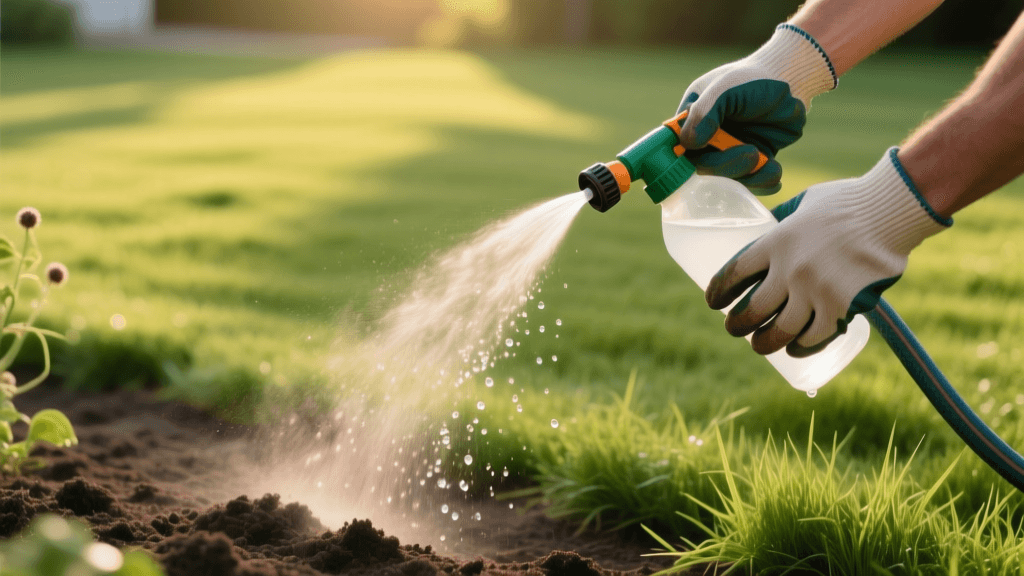
How to Apply Beneficial Nematodes to Kill Lawn Grubs
The Hidden Threat of Lawn Grubs
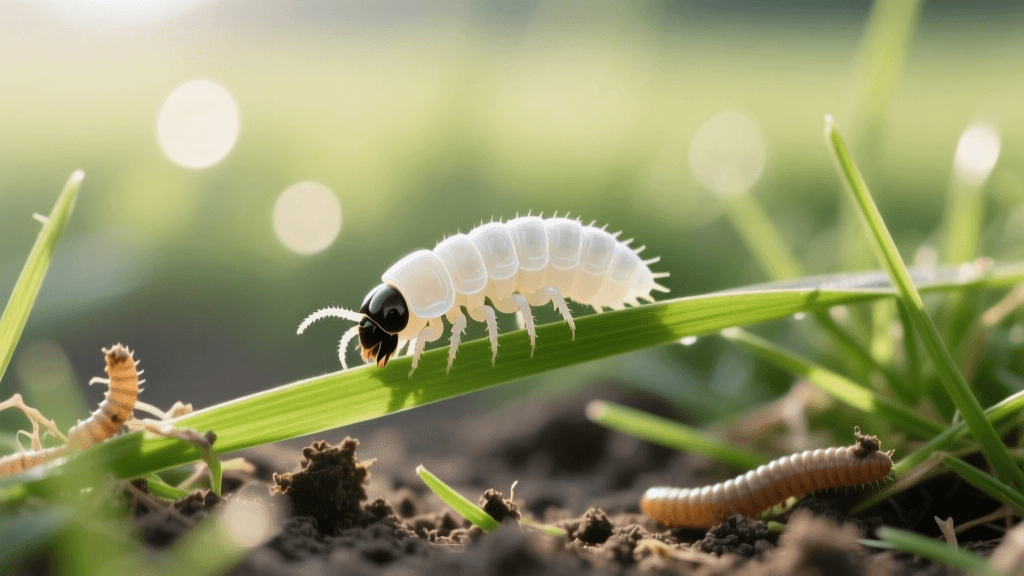
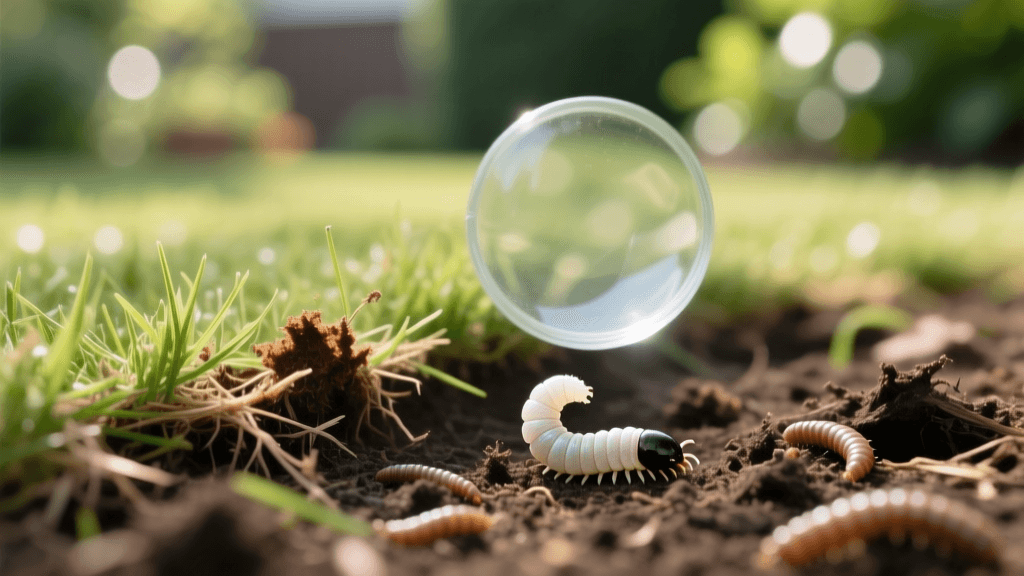
White grubs are the larval stage of various scarab beetles, including Japanese beetles, June bugs, and European chafers. These C-shaped, cream-colored pests live just beneath the soil surface, feasting on the roots of your turfgrass. If left unchecked, a severe grub infestation can destroy an entire lawn in a matter of weeks, leaving behind spongy, brown, and easily detachable patches of dead grass. Furthermore, grubs attract secondary pests like skunks, raccoons, and crows, which will tear up your lawn to feast on the protein-rich larvae.
While chemical pesticides like imidacloprid and trichlorfon have traditionally been used to combat grubs, modern Integrated Pest Management (IPM) heavily favors biological controls. Among the most effective and environmentally safe biological weapons against lawn grubs are beneficial nematodes. This comprehensive, practical guide will walk you through exactly how to select, mix, and apply beneficial nematodes to eradicate grubs and restore your lawn's health.
Why Choose Beneficial Nematodes Over Chemical Pesticides?
Beneficial nematodes are microscopic, unsegmented roundworms that naturally occur in soils worldwide. When applied to your lawn, specific entomopathogenic (insect-killing) species actively hunt down soil-dwelling pests. Once a nematode enters a grub through natural openings, it releases a symbiotic bacteria that kills the host within 48 hours. The nematodes then reproduce inside the dead grub, releasing thousands of new infective juveniles into the soil to hunt for more prey.
Cost and Benefit Comparison
- Safety: Nematodes are 100% safe for humans, pets, earthworms, and beneficial pollinators. Chemical grubicides can pose runoff risks to local waterways and toxicity risks to pets.
- Efficacy: When applied correctly, nematodes can achieve 80% to 95% grub mortality rates, rivaling or exceeding synthetic chemicals.
- Cost: A treatment of 10 million nematodes (covering roughly 2,000 square feet) typically costs between $35 and $50 from reputable suppliers like Arbico Organics or BioLogic. Chemical alternatives cost roughly $15 to $25 for the same coverage, making nematodes slightly more expensive upfront but invaluable for organic lawn care.
- Resistance: Grubs cannot develop biological resistance to nematodes and their symbiotic bacteria, whereas chemical resistance is a growing concern in pest populations.
Selecting the Right Nematode Species
Not all nematodes hunt the same prey. For white grubs, you must purchase the correct species. The two most effective species for grub control are Heterorhabditis bacteriophora (Hb) and Steinernema glaseri (Sg). Below is a comparison chart to help you choose the right biological control agent for your specific pest problem.
| Nematode Species | Target Pests | Optimal Soil Temp | Hunting Style |
|---|---|---|---|
| H. bacteriophora (Hb) | White grubs, Weevils, Japanese Beetle larvae | 60°F - 85°F | Cruiser (actively hunts deep in soil) |
| S. carpocapsae (Sc) | Chinch bugs, Armyworms, Cutworms, Fleas | 55°F - 80°F | Ambusher (waits near soil surface) |
| S. feltiae (Sf) | Fungus gnats, Fleas, Tick larvae | 50°F - 75°F | Intermediate cruiser |
Note: For lawn grubs, always select products labeled specifically with Heterorhabditis bacteriophora (Hb).
Optimal Timing and Environmental Conditions
Timing is the single most critical factor in nematode application. Nematodes are living organisms that require specific environmental conditions to survive and hunt.
- Soil Temperature: Apply when soil temperatures are consistently between 55°F and 85°F. Use a soil thermometer to check the temperature at a depth of 2 inches.
- Time of Year: The best time to apply is late summer to early fall (August through October), when grubs are young, small, and feeding near the surface. A secondary application can be made in mid-spring (April to May) to target overwintered grubs before they pupate.
- Time of Day: Nematodes are highly susceptible to ultraviolet (UV) light, which will kill them on contact. Never apply nematodes in direct sunlight. Apply in the early morning, late evening, or on a heavily overcast day.
Step-by-Step Application Guide
Step 1: Prepare the Lawn
Mow your lawn to its standard height and remove any excessive thatch. If your thatch layer is thicker than 0.5 inches, use a dethatching rake or core aerator to break it up. Nematodes must be able to penetrate the soil to reach the grubs; thick thatch will trap them on the surface where they will die from UV exposure and desiccation. Water the lawn deeply 24 hours before application to ensure the soil is moist and welcoming to the nematodes.
Step 2: Prepare Your Water and Equipment
Chlorine in municipal tap water is lethal to nematodes. If you are using city water, fill your sprayer tank or buckets and let the water sit uncovered for at least 24 hours to allow the chlorine to off-gas. Alternatively, use distilled, filtered, or clean rainwater. Ensure your sprayer is completely clean and free of any residual chemical pesticides or fertilizers, which can kill the nematodes.
Step 3: Mix the Nematode Solution
Beneficial nematodes are typically shipped in a dormant state inside a sponge, clay powder, or gel formulation. 1. Remove the nematodes from the refrigerator (where they should be stored upon arrival) and let them acclimate to outdoor temperatures for 30 minutes. 2. Fill a 5-gallon bucket with your dechlorinated water. 3. Submerge the sponge or stir the powder/gel into the bucket according to the manufacturer's instructions. 4. Stir gently and let the mixture sit for 10 to 15 minutes to ensure the nematodes are fully suspended in the water.
Step 4: Apply to the Lawn
Transfer the concentrated mixture to your sprayer. You can use a pump sprayer, a hose-end sprayer, or a watering can for smaller areas. If using a hose-end sprayer, ensure it has a screen or filter removed so the microscopic worms are not blocked. Apply the mixture evenly across the 2,000 square foot treatment area. Keep the solution agitated by shaking the sprayer periodically, as nematodes will settle to the bottom of the tank and suffocate if left stagnant.
Step 5: Water In Immediately
Once the application is complete, you must water the lawn immediately. Apply roughly 1/4 inch of water using a sprinkler system or hose. This crucial step washes the nematodes off the grass blades and carries them down into the thatch and topsoil where the grubs reside. Keep the lawn consistently moist (but not waterlogged) for the next 10 to 14 days to allow the nematodes to move through the soil film and locate their hosts.
Troubleshooting Common Application Mistakes
Even experienced gardeners can make errors when handling living biological controls. Avoid these common pitfalls to ensure your investment pays off:
- Mistake: Using water straight from a chlorinated tap.
Fix: Always dechlorinate water by letting it sit for 24 hours or using a carbon filter. - Mistake: Applying during the heat of the day.
Fix: Restrict applications to dusk, dawn, or rainy/overcast days to prevent UV degradation. - Mistake: Leaving the mixed solution in the sprayer for too long.
Fix: Mix only what you can apply within 45 minutes. Nematodes will deplete their oxygen supply and drown in a sealed, stagnant tank. - Mistake: Allowing the soil to dry out post-application.
Fix: Commit to light, daily watering for two weeks after application to maintain the soil moisture film nematodes need to swim through.
Expert Insights and Authoritative Citations
Biological control requires patience. Unlike chemical knockdown sprays that kill on contact, nematodes take time to infect, reproduce, and spread. You may not see dead grubs immediately, but you will notice a cessation of turf damage and a lack of secondary animal digging within a few weeks.
According to the Penn State Extension guidelines on Integrated Pest Management for turfgrass, 'Entomopathogenic nematodes, particularly Heterorhabditis bacteriophora, have shown excellent efficacy against white grubs in field trials when applied with adequate water volume and proper soil moisture maintenance.' The extension office emphasizes that soil preparation and post-application irrigation are the primary determinants of success or failure in biological grub control.
By following this practical guide, you are not only saving your lawn from destructive grubs but also fostering a healthier, more biodiverse soil ecosystem that will benefit your turf for years to come.