Pest Control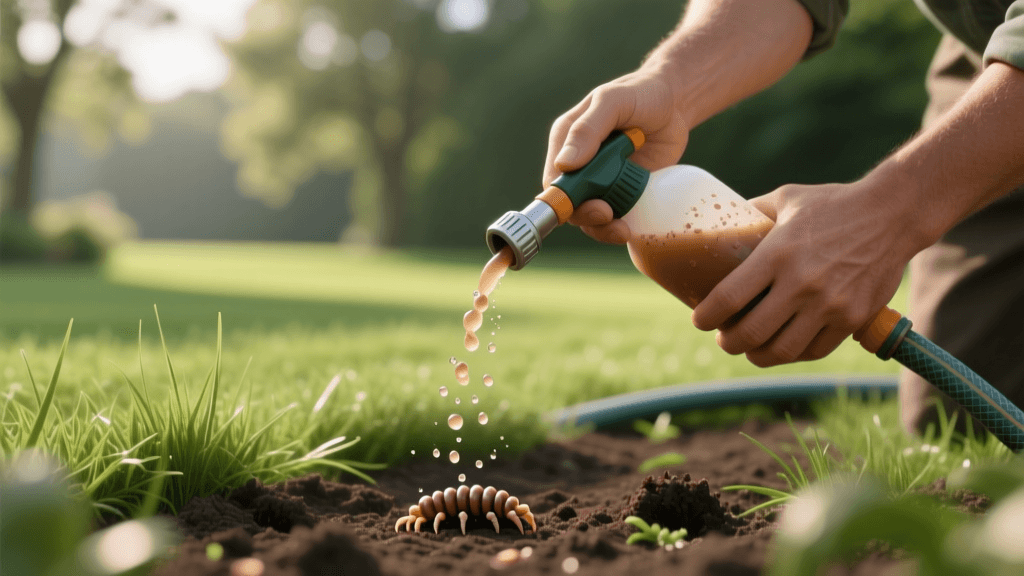
How to Apply Beneficial Nematodes to Kill Lawn Grubs
Identifying a Grub Problem Before Treatment
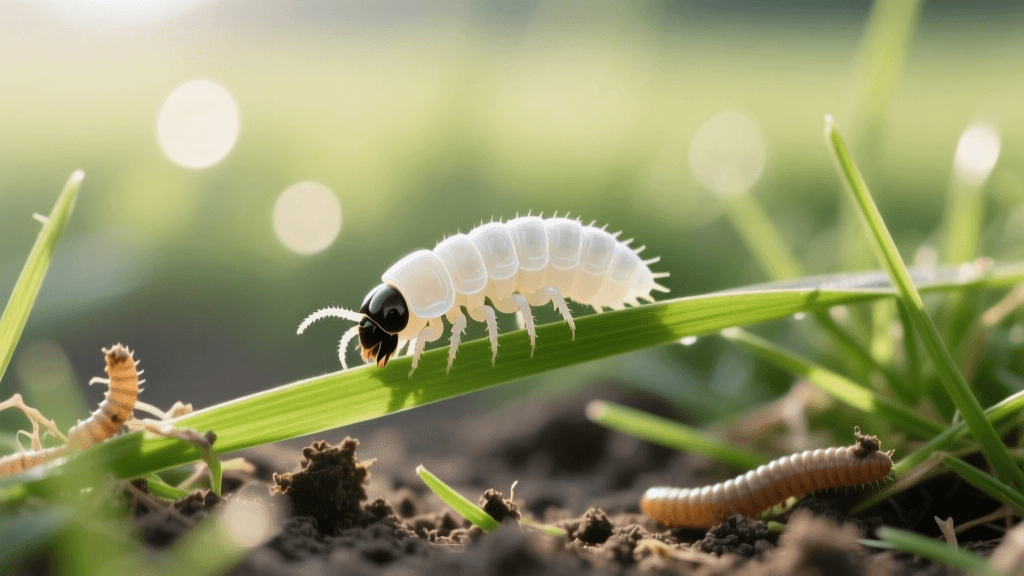
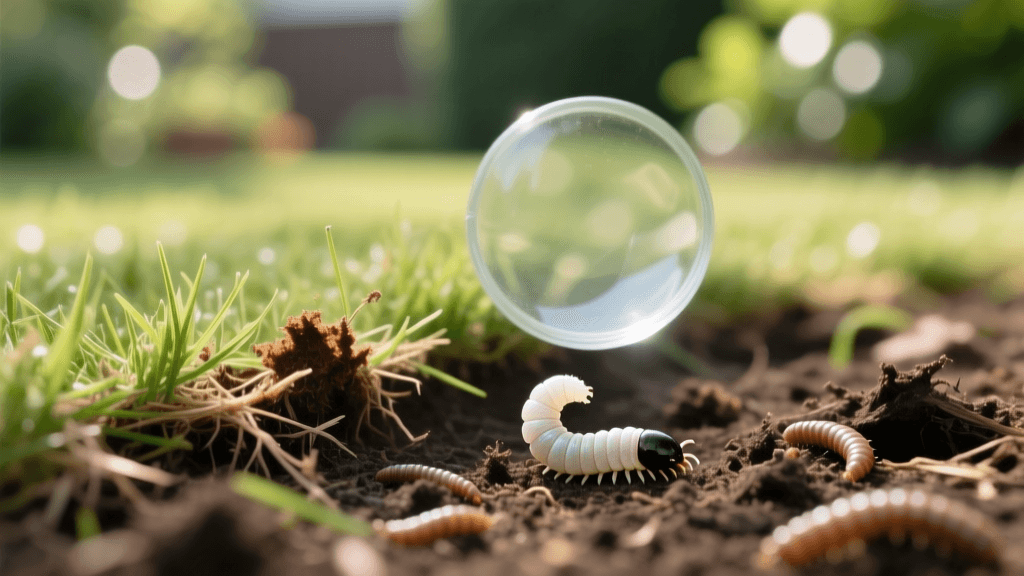
White grubs are the soil-dwelling larvae of various scarab beetles, including Japanese beetles, June bugs, and European chafers. These C-shaped, cream-colored pests feast on the root systems of turfgrass, severing the plant's ability to absorb water and nutrients. Before investing time and money into any pest control regimen, confirm that grubs are the actual culprit. Signs of a severe grub infestation include irregular patches of brown, dying grass that feels spongy underfoot and rolls back like a loose carpet. Additionally, you may notice increased nocturnal digging from foraging animals like raccoons, skunks, and crows, which tear up the turf to feed on the protein-rich larvae. To verify, use a flat-edged shovel to cut a one-square-foot section of turf about two inches deep and peel it back. If you count more than five to ten grubs per square foot, treatment is highly recommended.
Why Choose Beneficial Nematodes Over Chemical Pesticides?
Integrated Pest Management (IPM) heavily favors biological controls whenever possible. While synthetic chemical grub killers like Imidacloprid or Dylox (Trichlorfon) are effective, they come with significant environmental drawbacks. Chemical pesticides can harm non-target organisms, including vital pollinators and earthworms, and pose potential runoff risks to local waterways. Furthermore, many chemical grub preventatives must be applied months in advance to be effective. Beneficial nematodes, specifically entomopathogenic nematodes, offer a powerful, organic, and curative alternative. These microscopic, unsegmented roundworms naturally hunt down soil-dwelling pests, entering their bodies and releasing symbiotic bacteria that kill the host within 48 hours. Nematodes are entirely safe for humans, pets, earthworms, and beneficial insects, making them an ideal choice for eco-conscious homeowners practicing sustainable lawn care.
Choosing the Right Nematode Species
Not all nematodes target the same pests. Purchasing the correct species is critical for successful grub eradication. Below is a comparison chart of the most common beneficial nematode species used in lawn and garden care.
| Nematode Species | Target Pests | Ideal Soil Temperature | Hunting Behavior |
|---|---|---|---|
| Heterorhabditis bacteriophora (Hb) | Japanese beetle grubs, June bugs, European chafers, weevils | 60°F to 85°F (15°C - 29°C) | Cruiser (actively searches deep soil for hosts) |
| Steinernema carpocapsae (Sc) | Armyworms, cutworms, sod webworms, flea larvae | 55°F to 80°F (12°C - 26°C) | Ambusher (waits near the soil surface for passing prey) |
| Steinernema feltiae (Sf) | Fungus gnats, thrips, some shallow-root feeding grubs | 50°F to 75°F (10°C - 24°C) | Intermediate (cruises shallow soil layers) |
For deep-dwelling lawn grubs, Heterorhabditis bacteriophora (often sold as Hb nematodes) is the undisputed champion. Because grubs reside deep in the soil profile during the late summer and early fall, you need a "cruiser" species that actively migrates downward to find its prey.
When to Apply: Timing is Everything
Timing your nematode application correctly is the single most important factor in your success. Nematodes are living organisms that require specific environmental conditions to survive and hunt. The optimal window for grub control is late summer to early fall (typically mid-August through September, depending on your hardiness zone). During this period, grubs are young, relatively small, and feeding aggressively near the soil surface before burrowing deep for winter dormancy. Soil temperatures must be consistently between 60°F and 85°F. If the soil is too cold, the nematodes become dormant and ineffective; if it is too hot, they will die rapidly. Always check your local 10-day weather forecast and avoid applying if a severe heatwave or prolonged drought is imminent.
Step-by-Step Application Guide
Step 1: Calculate Your Lawn Size and Purchase
Measure the square footage of the treatment area. The standard curative application rate for grubs is 1 million nematodes per 1,000 square feet. For severe, established infestations, university extension offices often recommend bumping the rate to 2 million per 1,000 square feet. Commercial products like BioLogic's Scanmask or Arbico Organics' NemAttack are widely available. Expect to pay between $40 and $60 for a pack of 10 million nematodes, which is enough to treat up to 10,000 square feet. Always order from reputable suppliers that ship with cold packs to ensure the nematodes arrive alive.
Step 2: Storage and Lawn Preparation
Upon arrival, immediately store the nematodes in a refrigerator (between 36°F and 42°F). Do not freeze them, and never leave them in a hot mailbox or vehicle. They can typically be stored in the fridge for up to two weeks before their viability drops. One day before application, mow your lawn slightly shorter than usual and remove excessive thatch, which can act as a physical barrier preventing the nematodes from reaching the soil. Water the lawn deeply the evening before application. Nematodes require a moist environment to move through the soil pores; applying them to bone-dry, hydrophobic soil will result in total failure.
Step 3: Mix the Nematode Solution
Nematodes are highly sensitive to ultraviolet (UV) light and heat. Therefore, you must mix and apply them at dusk, on a heavily overcast day, or during light rain. Never apply them in direct, midday sunlight. Fill a clean bucket with cool water (ideally 50°F to 60°F). If using municipal tap water, let it sit in an open bucket for 24 hours beforehand to allow chlorine to off-gas, as chlorine can harm the nematodes. Submerge the nematode sponge or powder packet into the bucket and stir gently for three to five minutes until completely dissolved. Avoid using motorized pumps or high-pressure sprayers during the mixing phase, as the sheer mechanical force can physically damage the microscopic worms.
Step 4: Apply the Solution
Transfer the mixed solution into a hose-end sprayer designed for biologicals. Crucially, you must remove the internal filter screen from the sprayer nozzle; these screens are designed to catch debris but will strip and kill nematodes as they are forced through the mesh. Set the sprayer dial to a medium application rate. Walk at a steady, consistent pace, spraying the lawn evenly. Periodically shake the sprayer bottle gently to keep the nematodes suspended in the water column, as they will naturally sink to the bottom if left static. If you have leftover solution, dilute it with more water and apply it to garden beds or around the base of ornamental trees where grubs and borers may also hide.
Step 5: Post-Application Watering and Care
Immediately after spraying the nematode solution, use your garden hose or irrigation system to water the lawn lightly for about 15 to 20 minutes. This crucial step washes any nematodes clinging to the grass blades down into the thatch and soil where they belong. For the next 14 days, you must maintain consistent soil moisture. Water the treated area lightly every morning or every other morning to keep the top two inches of soil damp. If the soil dries out completely during this two-week window, the nematodes will desiccate and die before they can complete their reproductive life cycle inside the grubs.
Common Mistakes That Kill Nematodes
Even experienced gardeners can sabotage a nematode application by overlooking a few critical details. Avoid these common pitfalls:
- Using Hot Water: Water sitting in a garden hose exposed to the summer sun can easily exceed 110°F, which will instantly cook and kill the nematodes. Always run the hose until the water is completely cool before filling your sprayer.
- Chemical Contamination: Never use a sprayer that was previously used for synthetic pesticides, herbicides, or liquid fertilizers unless it has been meticulously triple-rinsed. Chemical residues are lethal to biological controls.
- Applying Chemical Fertilizers Simultaneously: High-nitrogen synthetic fertilizers create a hostile, high-salt environment in the soil that can dehydrate and kill nematodes. Wait at least two weeks after nematode application before applying chemical lawn feeds.
- Ignoring Expiration Dates: Nematodes are living creatures with a finite lifespan. Applying expired products is equivalent to spraying plain water. Always check the manufacturer's expiration date before mixing.
Authoritative Guidance and Citations
Biological pest control requires precision and an understanding of local environmental variables. According to the Cornell University College of Agriculture and Life Sciences Integrated Pest Management guidelines, entomopathogenic nematodes are highly effective biological control agents when applied correctly, emphasizing that soil moisture, temperature, and UV protection are the most critical factors for success. Cornell researchers note that Heterorhabditis bacteriophora is particularly effective against white grubs because of its active hunting strategy and ability to penetrate deeper soil profiles compared to other species. By following university-backed IPM protocols, homeowners can effectively manage grub populations while preserving the ecological balance of their yard.