Gardening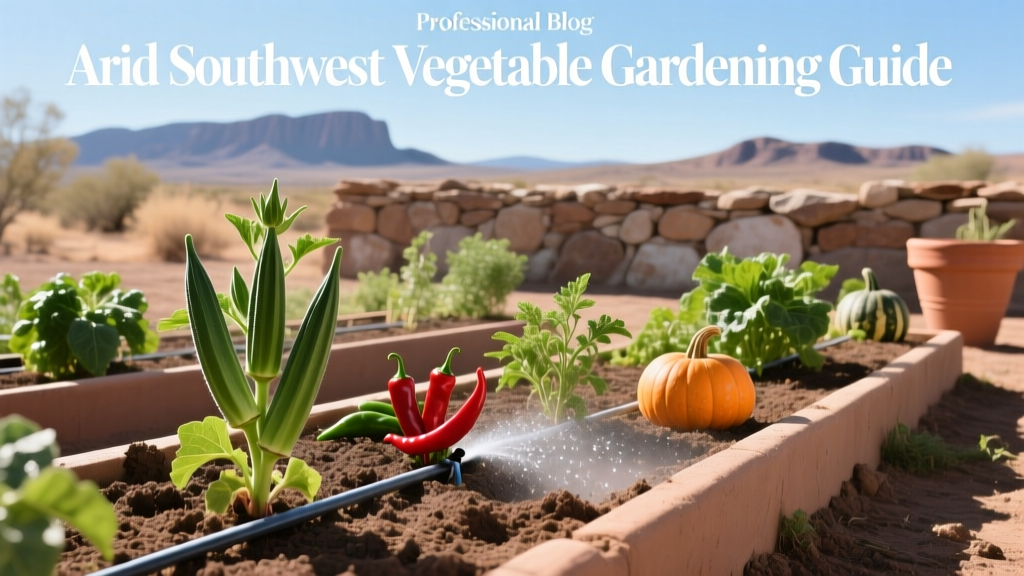
Arid Southwest Gardening: Drought-Tolerant Vegetables Guide
Lisa ThompsonPublished
The Unique Challenges of the Arid Southwest
Gardening in the Arid Southwest—encompassing regions of Arizona, New Mexico, Nevada, and Southern California—presents a unique set of challenges that can intimidate even seasoned horticulturists. Characterized by USDA Hardiness Zones 7 through 10, this region experiences blistering summer temperatures that frequently exceed 105°F, intense ultraviolet radiation, and chronically low humidity. Furthermore, annual rainfall often falls below 10 inches, making water conservation not just an environmental preference, but an absolute necessity for garden survival.
Beyond the climate, the native soil poses a significant hurdle. Many desert soils are heavily alkaline, with a pH ranging from 7.5 to 8.5, and are plagued by caliche—a hardened layer of calcium carbonate that restricts root penetration and severely limits drainage. To succeed, gardeners must pivot away from traditional temperate-climate methods and embrace regional, climate-specific strategies focused on heat tolerance, moisture retention, and aggressive soil amendment.
Best Drought-Tolerant Vegetables for Hot, Dry Climates
When selecting crops for the desert garden, it is crucial to choose varieties that have evolved or been bred to thrive in high heat and low water conditions. While traditional leafy greens like spinach and bolting cilantro will quickly wither in the June sun, a wealth of heat-loving alternatives can produce bountiful harvests. According to research and planting calendars provided by the University of Arizona Cooperative Extension, timing and variety selection are your first lines of defense against crop failure.
Below is a comparison chart of highly recommended, drought-resilient vegetables tailored for the Arid Southwest:
| Crop | Days to Maturity | Water Needs | Optimal Planting Window |
|---|---|---|---|
| Armenian Cucumber | 55-65 days | Moderate (Deep, infrequent) | March - April |
| Black-Eyed Peas (Cowpeas) | 70-90 days | Low (Drought-tolerant) | May - July |
| Okra (Clemson Spineless) | 55-60 days | Low to Moderate | April - June |
| Sweet Potato (Beauregard) | 90-120 days | Moderate | May - June (Slips) |
| Amaranth (Leafy) | 40-50 days | Very Low | April - August |
Soil Preparation: Building Moisture-Retaining Beds
Attempting to till directly into native desert caliche is often a futile endeavor that yields poor results and broken tools. Instead, the most effective regional strategy is the construction of raised beds or the creation of heavily amended berms. The New Mexico State University Extension strongly advocates for raised beds in urban desert environments to bypass native soil compaction and alkalinity issues entirely.
Raised Bed Construction and Costs
For a standard 4x8-foot raised bed, you will need approximately 32 cubic feet of soil. To ensure optimal moisture retention and drainage, avoid using 100% native topsoil. Instead, use a specialized desert mix:
- 40% High-Quality Compost: Provides organic matter and slowly releases nutrients. (Cost: ~$5 per cubic foot bagged, or cheaper if sourced from municipal facilities).
- 40% Coir or Peat Moss: Coconut coir is preferred in the Southwest as it is more sustainable and holds up to 10 times its weight in water, buffering against rapid drying.
- 20% Coarse Builder's Sand or Pumice: Ensures drainage and prevents the soil from compacting into a brick during monsoon downpours.
Pro Tip: Incorporate 2 to 3 cups of horticultural biochar per square foot. Biochar acts like a microscopic sponge, permanently increasing the soil's water-holding capacity and providing a habitat for beneficial mycorrhizal fungi.
Companion Planting for Desert Pest Management
The arid environment brings unique pests, such as the invasive leaf-footed bug and spider mites, which thrive in dusty, dry conditions. To combat this without wasting water on frequent foliar sprays, utilize desert-adapted companion planting. Interplanting basil and marigolds among your tomatoes and peppers can confuse pests with strong aromatic oils. Additionally, planting drought-tolerant trap crops like nasturtiums at the perimeter of your garden will draw aphids away from your primary harvest. For severe spider mite outbreaks, which are notorious in low-humidity climates, a targeted application of neem oil during the cooler evening hours can help manage populations without harming beneficial pollinators.
Water-Saving Irrigation Strategies
In a region where evaporation rates can exceed 60 inches annually, overhead sprinklers are an unacceptable waste of water. The EPA WaterSense program highlights that targeted irrigation can reduce outdoor water use by up to 50% while improving plant health by keeping foliage dry, which mitigates fungal diseases.
Drip Tape and Ollas
Sub-surface drip irrigation is the gold standard for Southwest gardens. By laying drip tape beneath 3 inches of mulch, you deliver water directly to the root zone with near-zero evaporation loss. Run your drip system on a smart timer, watering deeply but infrequently—such as 45 minutes every third day—to encourage roots to chase the moisture deep into the soil profile.
For an ancient, highly effective alternative, consider using Ollas (unglazed terra cotta pots). Bury an olla up to its neck in the soil and fill it with water. The water slowly seeps through the porous clay directly into the surrounding soil, drawn out only when the soil dries and creates a suction effect. This method uses roughly 70% less water than surface watering and is ideal for deep-rooted crops like tomatoes and peppers.
The Critical Role of Mulch
Never leave desert soil exposed to the sun. A thick layer of mulch lowers soil temperatures by up to 15°F and drastically reduces surface evaporation.
Apply a 3-to-4-inch layer of straw, shredded fall leaves, or untreated wood chips around all transplants. Keep the mulch a few inches away from the main stem to prevent collar rot. Avoid using dark gravel or rubber mulch in vegetable beds, as these materials absorb and radiate intense heat, effectively cooking your plant roots.
Seasonal Timing: Beating the Peak Heat and Monsoons
Unlike temperate zones with a single, long summer growing season, the Arid Southwest effectively has three distinct micro-seasons: the cool spring, the brutal mid-summer peak, and the late-summer monsoon.
- The Spring Window (February to April): This is the time to plant heat-loving transplants like tomatoes, peppers, and eggplants. The goal is to establish deep root systems before the night-time temperatures consistently stay above 75°F, which can cause tomato blossom drop.
- The Mid-Summer Lull (May to June): Focus on harvesting early crops and planting extreme heat survivors like black-eyed peas, okra, and sweet potatoes. Use 40% shade cloth over sensitive crops to prevent sunscald.
- The Monsoon Season (July to August): The arrival of the North American Monsoon brings increased humidity, afternoon cloud cover, and sporadic heavy rains. This is the prime window to direct-sow a second round of heat-tolerant crops like Armenian cucumbers, pumpkins, and winter squash. The increased humidity aids in seed germination, and the cloud cover protects young seedlings from the harshest UV rays.
Conclusion
Gardening in the Arid Southwest requires a fundamental shift in perspective. By respecting the extreme climate, leveraging drought-tolerant crop genetics, engineering moisture-retaining soils, and utilizing hyper-efficient irrigation, you can transform a barren patch of desert into a highly productive, resilient food oasis. Embrace the unique rhythms of the desert, and your garden will reward you with vibrant, life-sustaining harvests year after year.
