Gardening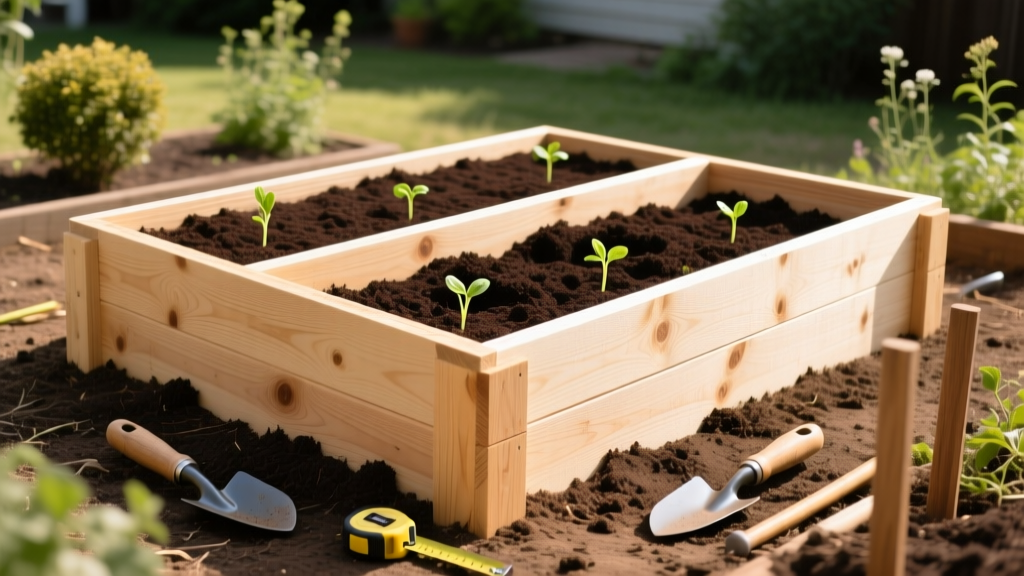
Budget-Friendly DIY Raised Beds Using Untreated Pine
Sarah ChenPublished
The Appeal of Budget-Friendly Raised Bed Gardening
Raised garden beds are a cornerstone of modern vegetable and flower gardening, offering superior drainage, reduced weed pressure, and complete control over soil quality. However, the cost of premium materials like western red cedar or composite lumber can quickly derail a gardening budget. A single store-bought cedar kit can easily exceed $150 to $200, making it difficult to expand your garden footprint. Fortunately, there is a highly effective, budget-friendly DIY solution: using untreated pine.
Untreated pine is widely available at any local hardware store, incredibly easy to work with, and costs a fraction of premium woods. While it is true that pine is not naturally rot-resistant like cedar, with the right construction techniques and natural preservation methods, a pine raised bed can easily last five to seven years—plenty of time to yield hundreds of pounds of homegrown produce. In this comprehensive guide, we will walk you through the exact measurements, cost-saving soil strategies, and step-by-step construction methods to build a durable 4x8-foot raised garden bed for under $30.
Material Comparison: Untreated Pine vs. Premium Alternatives
Before diving into the build, it is helpful to understand how untreated pine stacks up against other common raised bed materials. The table below compares the estimated costs, lifespans, and pros and cons of building a standard 4x8-foot, 12-inch deep raised bed.
| Material | Estimated Cost (4x8 Bed) | Expected Lifespan | Pros | Cons |
|---|---|---|---|---|
| Untreated Pine (DIY) | $25 - $35 | 5 - 7 Years | Extremely affordable, easy to cut, safe for edibles | Prone to rot if constantly saturated |
| Western Red Cedar | $150 - $220 | 10 - 15 Years | Naturally rot and insect resistant, beautiful aging | High upfront cost, can splinter |
| Composite (e.g., Trex) | $200 - $300 | 20+ Years | Zero maintenance, will never rot or splinter | Expensive, can bow without bracing |
| Corrugated Galvanized Steel | $80 - $120 | 15 - 20 Years | Modern aesthetic, pest-proof, durable | Can heat soil excessively, sharp edges |
As the data illustrates, untreated pine is the undisputed champion of budget-friendly gardening. By accepting a slightly shorter lifespan, you free up capital to invest in what truly matters: high-quality soil and organic fertilizers.
Essential Tools and Materials
To build a single 4x8-foot raised bed that is 12 inches high, you will need the following materials. Prices are approximate and based on national averages at major home improvement retailers.
- (4) 2x6x8 Untreated Pine Boards: ~$3.50 each ($14.00 total). Ensure they are marked 'untreated' or 'ground contact' without chemical preservatives like CCA or creosote.
- (1) 2x2x8 Furring Strip: ~$1.50. This will be used for internal corner bracing to keep the bed square and sturdy.
- 2.5-Inch Exterior Deck Screws: ~$8.00 for a small box. Do not use drywall screws, as they will rust and snap outdoors.
- Cardboard (Free): Save your shipping boxes to use as a weed barrier at the base of the bed.
- Raw Linseed Oil (Optional): ~$12.00. A natural, food-safe wood preservative.
Tools Required: A power drill, a 3/32-inch drill bit for pilot holes, a Phillips head driver bit, a speed square, a tape measure, and a hand saw or circular saw.
Step-by-Step Construction Guide
Step 1: Site Preparation and Weed Blocking
Choose a location that receives at least six to eight hours of direct sunlight daily. Level the ground as best as you can using a rake and a carpenter's level. Instead of buying expensive landscape fabric, lay down overlapping sheets of plain brown cardboard directly on the grass or soil. The cardboard will smother existing weeds and grass but will eventually break down, allowing earthworms to migrate up into your new garden bed.
Step 2: Cut the Corner Braces
Take your 2x2x8 furring strip and measure four 11-inch segments. Cut these pieces using your hand saw or circular saw. These will serve as the internal corner posts that connect your 2x6 boards and provide structural integrity against the outward pressure of wet soil.
Step 3: Assemble the Long and Short Sides
Lay two 2x6x8 boards flat on the ground. Place an 11-inch 2x2 brace flush with the inside corner of the boards. Drill two pilot holes through the outside of the 2x6 into the 2x2 brace to prevent the pine from splitting. Drive your 2.5-inch exterior screws into the pilot holes. Repeat this for the other long side and the two short sides (using the remaining 2x6 boards, which do not need to be cut if you are building a standard 4x8 bed).
Step 4: Square the Bed and Secure
Stand the assembled sides up and connect them to form a rectangle. Use your speed square to ensure the corners are at perfect 90-degree angles before driving the final screws through the overlapping boards into the corner braces. According to the Old Farmer's Almanac, ensuring your bed is perfectly level and square during assembly prevents structural warping as the wood expands and contracts with seasonal moisture changes.
The Hugelkultur Hack: Slashing Soil Costs
The most expensive part of raised bed gardening is filling them with soil. A 4x8-foot bed that is 12 inches deep requires 32 cubic feet of soil. If you buy bagged raised bed mix at $6 per bag (usually 1.5 cubic feet), you will spend over $120 just to fill one bed! To maintain our budget-friendly approach, we will use a modified Hugelkultur method combined with bulk soil purchasing.
As noted by Penn State Extension, incorporating organic matter and woody debris at the base of a raised bed improves long-term soil structure, retains moisture during droughts, and significantly reduces the volume of expensive topsoil required to fill the bed.
The Budget Soil Layering Strategy
- The Base Layer (Bottom 4 Inches): Fill the bottom third of your bed with decaying logs, thick branches, twigs, and dried leaves. This woody material acts like a sponge, holding water and slowly releasing nutrients as it decomposes over the years. This layer is essentially free if you forage it from your own yard.
- The Middle Layer (Next 4 Inches): Add a mix of grass clippings, straw, or shredded autumn leaves. This creates a nitrogen-rich transition zone that feeds the soil microbiome.
- The Top Layer (Top 4 Inches): This is where your plant roots will initially live. Purchase bulk topsoil and compost from a local landscape supply yard. Buying by the cubic yard is exponentially cheaper than buying bags. Mix two parts bulk topsoil with one part bulk compost. This 8 cubic foot mixture will perfectly cap your bed, providing a rich, loamy environment for your vegetables.
Natural Wood Preservation Techniques
Because we are using untreated pine, protecting the wood from premature rot is essential for maximizing your investment. Avoid chemical wood preservatives, as these can leach heavy metals and toxins into your food supply. Instead, use raw linseed oil.
Raw linseed oil is pressed from flax seeds and is 100% natural and food-safe. (Note: Avoid 'boiled' linseed oil from the hardware store, as it contains toxic metallic drying agents). Using a cheap paintbrush, apply a generous coat of raw linseed oil to the exterior and interior walls of the pine boards. The oil penetrates the wood grain, repelling water and slowing the fungal decay process. Reapply the oil once every two years in the late fall after the growing season ends.
Seasonal Maintenance and Crop Rotation
According to the University of Maryland Extension, raised beds can improve drainage, reduce soil compaction, and extend the growing season by warming up faster in the spring. To maintain this advantage, avoid stepping inside the bed at all costs. The primary rule of raised bed gardening is to preserve the fluffy, uncompacted soil structure you worked so hard to create.
Between seasons, replenish the top inch of your bed with fresh compost. Because the Hugelkultur base will slowly sink as the wood decomposes, you will notice the soil level dropping by an inch or two each year. Top-dressing with homemade compost or municipal leaf mulch will keep the bed full and continuously feed your crops without the need for synthetic fertilizers.
Final Thoughts
Building a budget-friendly DIY raised garden bed with untreated pine proves that you do not need to spend hundreds of dollars to start a thriving vegetable garden. By leveraging inexpensive lumber, utilizing the Hugelkultur method to slash soil costs, and preserving the wood naturally, you can create a highly productive growing space for under $50 total. Whether you are growing deep-rooted tomatoes, crisp carrots, or vibrant marigolds, your new pine raised bed will serve as the foundation for years of budget-conscious, bountiful harvests.
