Gardening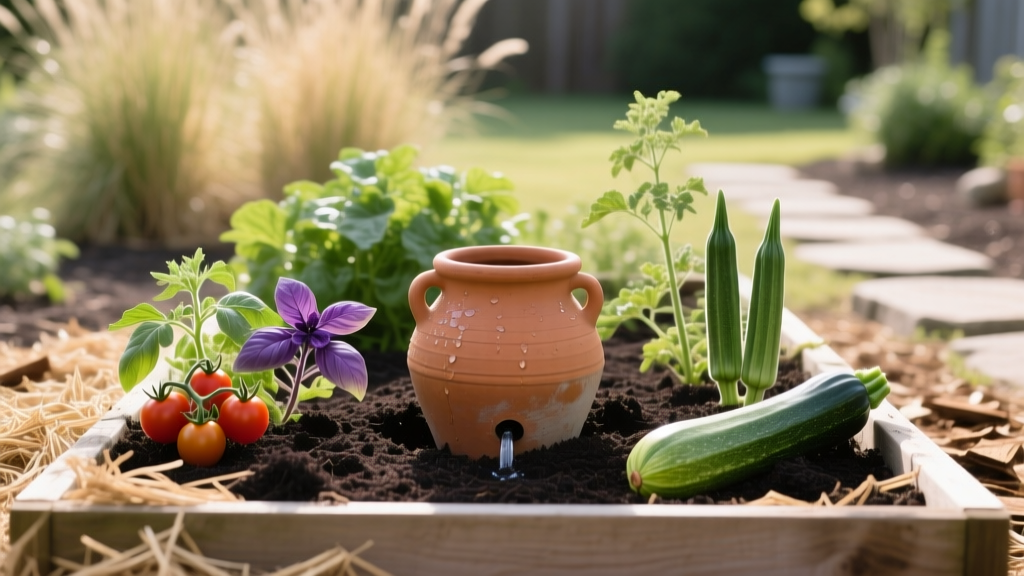
Water-Wise Raised Bed Gardening: Ollas and Drought Crops
James MillerPublished
Introduction to Water-Wise Raised Bed Gardening
As climate patterns shift and summer droughts become more frequent, home gardeners are facing unprecedented challenges in keeping their vegetable and flower gardens alive. Traditional overhead watering is not only inefficient but often prohibited during municipal water restrictions. According to the EPA WaterSense program, outdoor water use accounts for nearly 30 to 60 percent of total household water consumption in the United States, much of which is lost to evaporation and runoff. Transitioning to a water-wise raised bed garden is no longer just an eco-friendly choice; it is a practical necessity for a successful harvest.
By combining ancient irrigation techniques with modern soil science, you can cultivate a thriving, drought-resilient garden that requires a fraction of the water. This comprehensive guide will walk you through selecting the right crops, installing unglazed clay olla irrigation systems, amending your soil for maximum moisture retention, and setting up a fail-safe drip irrigation backup.
Selecting Drought-Tolerant Vegetable Varieties
The foundation of any water-wise garden begins with plant selection. While leafy greens like spinach and shallow-rooted crops like radishes demand constant moisture, many staple vegetables have evolved to thrive in arid conditions. When planning your raised beds, prioritize crops with deep taproots, silver or fuzzy foliage (which reflects sunlight and traps humidity), and native adaptations to heat.
| Crop Category | Drought-Tolerant Varieties | Water-Hungry Alternatives to Avoid |
|---|---|---|
| Solanaceae | 'Black Krim' Tomatoes, 'Jimmy Nardello' Peppers | Standard Beefsteak Tomatoes, Bell Peppers |
| Legumes | 'Black-eyed' Peas, 'Tepary' Beans | Snap Peas, Standard Green Beans |
| Cucurbits | Armenian Cucumbers, 'Waltham' Butternut Squash | English Cucumbers, Zucchini |
| Leafy Greens | 'Fordhook' Swiss Chard, Amaranth | Spinach, Butterhead Lettuce |
| Root Veggies | Parsnips, 'Danvers' Carrots | Radishes, Shallow Turnips |
For example, 'Clemson Spineless' okra and 'Black-eyed' peas are legendary for their ability to produce heavy yields even when daytime temperatures exceed 95°F. Similarly, replacing traditional cucumbers with Armenian cucumbers (which are technically melons) can save gallons of water per week while providing a crisp, refreshing harvest.
The Magic of Olla Irrigation in Raised Beds
Ollas (pronounced oy-yahs) are unglazed, porous terracotta pots that have been used for thousands of years to irrigate crops in arid climates. When buried in the soil up to their necks and filled with water, they create a negative pressure gradient. The water slowly seeps through the microscopic pores of the clay directly into the root zone, only releasing moisture when the surrounding soil dries out. This eliminates surface evaporation entirely and prevents fungal diseases associated with wet foliage.
Outfitting a standard 4x8 foot raised bed with an olla system is highly cost-effective and remarkably simple. Large, 2-gallon unglazed terracotta pots typically cost between $20 and $45 at local nurseries or hardware stores. Alternatively, you can purchase purpose-built ceramic ollas from specialized suppliers, though standard nursery pots work just as well.
Step-by-Step Olla Installation
- Step 1: Dig holes in your raised bed spaced 18 to 24 inches apart, ensuring they are distributed evenly among your plantings.
- Step 2: Place a small rock or piece of broken terracotta over the drainage hole at the bottom of the unglazed pot to prevent soil from clogging it and to slow the initial water flow.
- Step 3: Bury the pot so that only the top 1 to 2 inches of the neck remain above the soil line.
- Step 4: Pack the soil tightly around the pot to ensure good capillary contact between the clay and the soil matrix.
- Step 5: Fill the olla with water and cover the opening with a tight-fitting lid, a flat stone, or a saucer to prevent mosquitoes from breeding and to reduce surface evaporation.
Soil Preparation: Biochar, Coir, and Compost
Even the most efficient irrigation system will fail if your soil cannot hold onto moisture. Standard topsoil and peat-based potting mixes tend to become hydrophobic when they dry out completely, meaning water simply runs off the surface rather than penetrating the root zone. To combat this, water-wise gardeners must amend their raised beds with materials that act like microscopic sponges.
Biochar is a game-changer for drought-prone gardens. This highly porous form of charcoal, produced through the pyrolysis of organic matter, can hold up to 20% of its weight in water while providing a permanent habitat for beneficial soil microbes. Combine this with coconut coir, a sustainable alternative to peat moss that retains moisture exceptionally well and re-wets easily even after drying out. A premium soil mix for a drought-resistant raised bed should consist of 40% high-quality compost, 30% coconut coir, 20% coarse vermiculite, and 10% inoculated biochar.
Pro Tip: Never use raw, uncharged biochar directly in your garden. Uncharged biochar will temporarily tie up soil nitrogen as it attempts to absorb nutrients. Always use pre-inoculated biochar or soak raw biochar in compost tea or worm castings for at least two weeks before adding it to your raised beds.
Deep Mulching Strategies for Maximum Retention
Once your plants are in the ground and your ollas are buried, the final and perhaps most critical layer of defense against drought is mulch. The Texas A&M AgriLife Extension notes that applying a proper layer of organic mulch can reduce soil water evaporation by up to 70 percent while simultaneously suppressing water-stealing weeds.
| Mulch Type | Water Retention | Decomposition Rate | Best Application |
|---|---|---|---|
| Seedless Straw | Excellent | Fast (1 season) | Vegetable beds, annual flowers |
| Shredded Leaves | Very Good | Medium (1-2 seasons) | Perennial borders, garlic beds |
| Arborist Wood Chips | Good | Slow (2-4 years) | Fruit trees, permanent pathways |
| Grass Clippings | Moderate | Very Fast (weeks) | Quick summer top-ups (thin layers) |
For vegetable gardens, seedless straw or shredded autumn leaves are ideal because they allow rainwater to penetrate while breaking down over the season to feed the soil. Apply a generous 3 to 4-inch layer of mulch over the entire surface of the raised bed, making sure to leave a small 1-inch collar of bare soil directly around the base of your plant stems to prevent rot and deter burrowing pests.
Supplemental Drip Irrigation Setup
While ollas are incredibly efficient, they require manual refilling every 2 to 4 days during peak summer heat. For gardeners who travel frequently or want an automated fail-safe, integrating a low-volume drip irrigation system on a smart timer is the ultimate water-wise solution. The Colorado State University Extension heavily advocates for drip irrigation in xeriscaping and vegetable production due to its 90% water application efficiency compared to traditional sprinklers.
To set up a backup system, use a DIG G77D drip irrigation timer, which allows you to program specific watering days and durations based on local weather patterns. Run 1/2-inch poly tubing along the perimeter of your 4x8 raised bed, and attach 1/4-inch drip lines with inline emitters spaced every 6 inches. Set the emitters to deliver just 0.5 gallons per hour. Because the ollas handle the deep, consistent baseline moisture, you only need to run the drip system for 20 minutes twice a week to keep the upper soil profile and mulch layer slightly damp, ensuring seed germination and shallow root health.
Seasonal Maintenance and Harvest Timing
Maintaining a water-wise garden requires a shift in how you observe and interact with your plants. Instead of relying on a rigid watering schedule, learn to read the subtle signs of plant stress. Drought-tolerant crops like okra and Swiss chard will naturally wilt slightly during the hottest part of the afternoon to reduce their surface area and conserve water. This is a normal physiological response. Check your plants in the early morning; if they have perked back up overnight, they do not need supplemental water.
Furthermore, harvest your crops promptly. Allowing fruits like tomatoes, peppers, and cucumbers to over-ripen on the vine signals the plant to continue directing massive amounts of water and energy into those specific fruits. By harvesting at the peak of ripeness, you encourage the plant to set new blossoms and reduce its overall water demand.
Conclusion
Transitioning to a water-wise raised bed garden is an investment in both your local ecosystem and your long-term gardening success. By leveraging the ancient wisdom of olla irrigation, the moisture-retaining power of biochar and deep mulch, and the resilience of drought-adapted crop varieties, you can cultivate a lush, productive garden that thrives even in the harshest summer conditions. Not only will you dramatically reduce your municipal water bill, but you will also build a healthier, more resilient soil food web that will benefit your garden for years to come.
