Gardening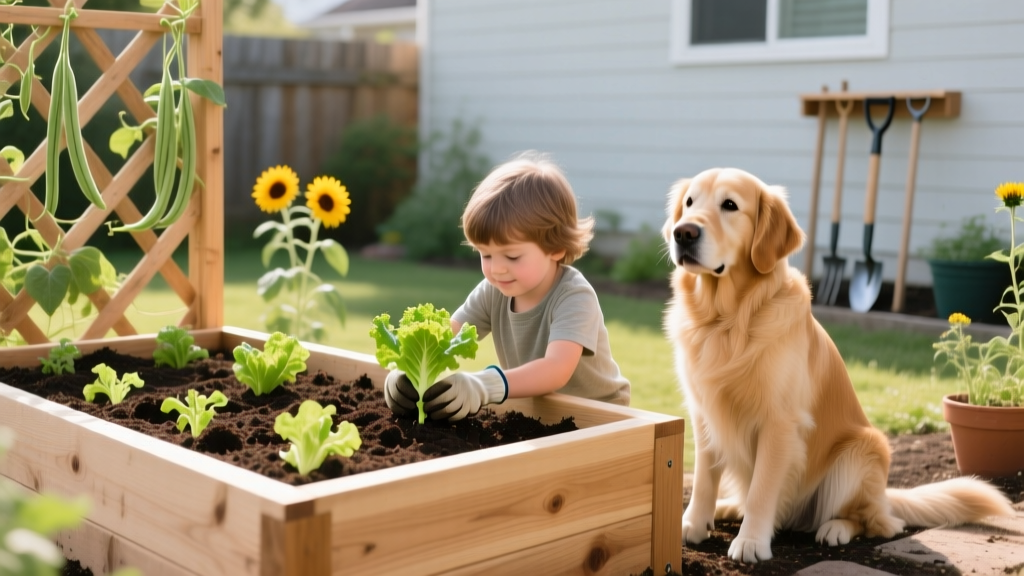
Building Pet-Safe Raised Beds for Kids and Families
Anna KowalskiPublished
Why Choose Raised Beds for a Pet and Family-Friendly Yard?
Gardening is a wonderful way to teach children about nature, responsibility, and where their food comes from. However, when you share your yard with enthusiastic dogs and energetic toddlers, traditional in-ground gardens can quickly become a battleground. Dogs may mistake freshly tilled soil for a designated digging zone, while toddlers might trample delicate seedlings or ingest unknown plants. Building raised beds is the ultimate solution for a harmonious, pet-safe, and family-friendly garden.
Raised beds provide clear physical boundaries that help pets understand where they are and are not allowed to roam. According to the University of Wisconsin-Madison Extension, raised beds also offer superior soil drainage, warmer soil temperatures in the spring, and reduced compaction since you never step inside the growing area. For families, this means less mud tracked into the house and a more accessible gardening experience for children in wheelchairs or those who simply prefer not to kneel in the dirt.
Selecting Non-Toxic Building Materials
When building a garden where children will play and dogs might chew on the edges, selecting the right building material is critical for safety. You must avoid any materials that can leach harmful chemicals into the soil or pose a toxicity risk if ingested.
- Untreated Cedar and Redwood: These are the gold standards for organic, family-friendly gardening. Both woods contain natural oils that resist rot and insect damage without the need for chemical preservatives. While they are more expensive upfront, typically costing $3 to $6 per linear foot, they can last 10 to 15 years.
- Composite Lumber: Made from a blend of recycled wood fibers and plastic, composite boards are completely non-toxic, splinter-free, and can last 25 years or more. They are an excellent, albeit pricey, investment for a permanent family garden space.
- Materials to Avoid: Never use railroad ties, as they are treated with creosote, a known carcinogen. Additionally, avoid older pressure-treated lumber that contains Chromated Copper Arsenate (CCA). While modern pressure-treated wood uses copper azole, which is considered safer, many organic gardeners and pet owners still prefer to avoid it to eliminate any risk of copper buildup in the soil or toxicity if a dog chews on the wood edges.
Formulating a Pet-Safe Soil Mix
The soil mix you use in your raised beds is just as important as the wood you use to build them. A common mistake many well-meaning gardeners make is using organic fertilizers like blood meal, bone meal, or fish emulsion. While these are fantastic for plants, they are incredibly dangerous for dogs. The strong, savory scent of bone meal and blood meal can drive dogs into a digging frenzy. If ingested, these products can cause severe gastrointestinal blockages, vomiting, diarrhea, and even life-threatening pancreatitis.
Instead, opt for a vegan, pet-safe soil recipe that relies on compost and plant-based nutrients. The Old Farmer's Almanac recommends a variation of the classic soil blend for raised beds, which is entirely safe for curious pets and toddlers:
- 60% High-Quality Topsoil: Provides the bulk and mineral base.
- 30% Organic Compost: Use a plant-based compost and avoid manure-heavy blends if your dog is prone to eating dirt. This provides slow-release nutrients and beneficial microbes.
- 10% Coconut Coir or Peat Moss: Ensures excellent moisture retention and keeps the soil light and fluffy, making it easy for little hands to plant seeds.
For added nutrition that will not attract your dog, use a vegan organic granular fertilizer or top-dress with worm castings, which are odorless to pets but packed with plant-available nutrients. Testing your soil pH can also be a fun and educational science experiment for kids, ensuring your crops have the right environment to thrive.
Choosing Pet-Safe and Kid-Friendly Crops
Not all vegetables are safe for your furry family members. While the fruits of many plants are perfectly edible, the leaves, stems, and roots can harbor natural toxins designed to deter herbivores. The ASPCA Toxic and Non-Toxic Plants list is an essential resource for any gardening pet owner. For example, while tomatoes are a garden staple, they belong to the nightshade family, and their green leaves and stems contain solanine, which is highly toxic to dogs and cats.
Here is a guide to selecting crops that are safe, easy to grow, and fun for kids to harvest:
| Plant Type | Pet Safety Profile | Kid-Friendliness | Growing Tips |
|---|---|---|---|
| Snap Peas | 100% Safe for dogs and cats. | High; fun to eat right off the vine. | Plant in early spring; provide a trellis for climbing. |
| Carrots | Safe; great crunchy treat for dogs. | High; the surprise of pulling them from the dirt is magical. | Sow seeds directly; keep soil consistently moist for germination. |
| Strawberries | Safe; berries are a healthy, low-calorie treat. | Very High; kids love foraging for red berries. | Plant bare-root crowns in early spring; mulch with pine straw. |
| Sunflowers | Safe; seeds are non-toxic but shells can cause mild upset. | High; fast-growing and visually impressive. | Sow after last frost; protect young seedlings from snails. |
| Tomatoes | Caution: Fruit is safe, but leaves and stems are toxic. | Moderate; requires supervision to avoid leaf ingestion. | Grow in cages; prune lower leaves to deter pets from brushing against them. |
Pet-Safe Pest Control and Mulching
A family-friendly garden must rely on integrated pest management rather than harsh synthetic chemicals. Avoid traditional slug and snail baits containing metaldehyde, which is highly toxic and often fatal to dogs if ingested. Instead, use copper tape around the edges of your raised beds, which gives slugs a mild, harmless static shock that deters them, or set out shallow dishes of beer to trap them safely.
Mulching is vital for retaining moisture and suppressing weeds, but you must choose your mulch carefully. Never use cocoa bean mulch. Made from the hulls of cocoa beans, it contains theobromine and caffeine, the same compounds that make chocolate toxic to dogs. The sweet, chocolatey aroma is irresistible to pets and can lead to fatal poisoning. Instead, opt for pet-safe mulching materials such as pine straw, untreated grass clippings, or shredded arborist wood chips. Companion planting with pet-safe flowers like nasturtiums and calendula can also help deter pests while attracting beneficial pollinators.
Designing the Layout for Play and Access
The physical layout of your garden dictates how well it integrates with your family lifestyle. Keep raised beds no wider than 4 feet. This ensures that children and adults can easily reach the center of the bed from either side without stepping into the soil, preserving the soil structure and preventing accidental trampling of plants.
Leave generous pathways between beds, at least 2 to 3 feet wide, to accommodate wheelbarrows, running toddlers, and wandering dogs. Consider laying down pet-friendly pathway materials like smooth river stones, clover, or creeping thyme, which can handle foot traffic and are safe if a dog decides to sample them. Adding a small, ground-level water station or dog bowl near the garden ensures your furry helper stays hydrated while you work.
Finally, if your dog is an avid digger, do not try to suppress their natural instincts entirely. Build a designated digging box in a corner of the yard, filled with loose sand and soft soil, and bury their favorite toys inside. By redirecting their digging energy to a specific, approved zone, your raised vegetable beds will remain pristine, and your dog will have a dedicated space to play. Gardening with your family and pets should be a source of joy, and with thoughtful planning, your yard can be a safe, thriving sanctuary for everyone.
