Gardening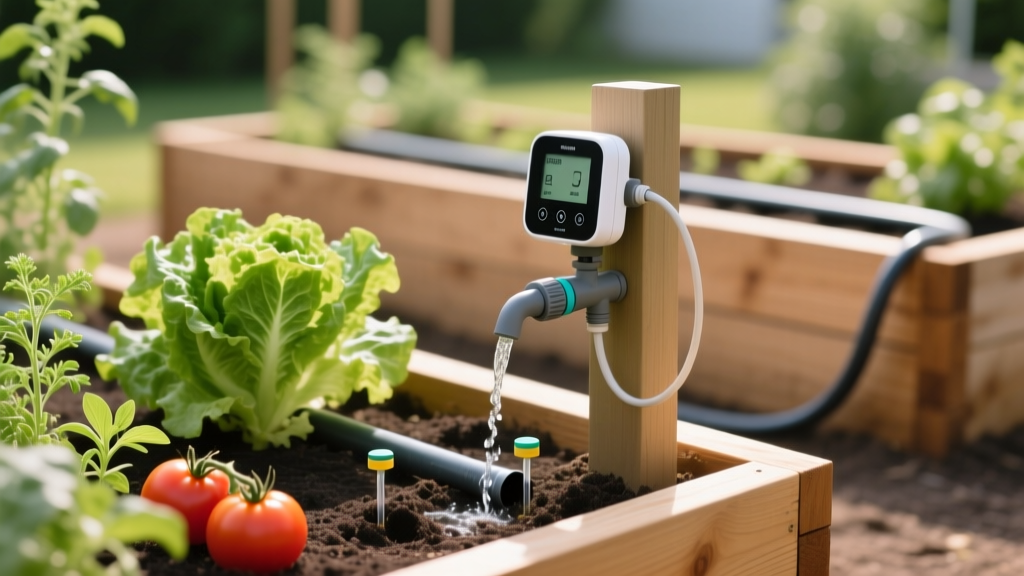
Automate Your Raised Beds: Smart Garden Irrigation Guide
Sarah ChenPublished
The Intersection of Smart Home Tech and Horticulture
The modern garden is no longer just a patch of dirt and a watering can; it is an interconnected ecosystem where horticulture meets the Internet of Things (IoT). For home gardeners utilizing raised beds and container gardening, maintaining consistent soil moisture is one of the most significant challenges. Raised beds offer superior drainage, aeration, and soil temperature control, but these same benefits cause the soil to dry out much faster than traditional in-ground plots. Enter smart home automation. By integrating smart irrigation controllers, wireless soil moisture sensors, and precision drip networks, you can completely automate your garden's hydration, ensuring your vegetables and flowers receive the exact amount of water they need, exactly when they need it.
Why Automate Your Raised Bed Irrigation?
Automating your garden is not merely a matter of convenience; it is a critical step toward sustainable gardening and higher crop yields. Manual watering is notoriously inconsistent. Overwatering can lead to root rot and fungal diseases, while underwatering causes stress, blossom end rot in tomatoes, and splitting in root vegetables like carrots and radishes.
Furthermore, smart irrigation is a massive water conservation tool. According to the EPA WaterSense Irrigation Controllers program, upgrading to a Weather-based Irrigation Controller (WIC) can save the average home nearly 7,600 gallons of water annually. These smart devices utilize local Wi-Fi to pull real-time meteorological data, automatically skipping watering cycles when rain is in the forecast or when humidity levels are high enough to slow evaporation.
Core Components of a Smart Raised Bed System
To build a fully automated raised bed irrigation system, you need three primary layers of technology:
- The Brain (Smart Controller): A Wi-Fi or Thread-enabled water timer that connects to your home network and smart home ecosystem (like Apple HomeKit, Amazon Alexa, or Google Home).
- The Feedback Loop (Soil Sensors): Wireless probes buried in the root zone that measure volumetric water content (VWC) and transmit data back to the controller or a smart home hub.
- The Delivery System (Drip Hardware): A network of poly tubing, pressure regulators, and micro-emitters that deliver water directly to the base of the plant, eliminating evaporation and foliar diseases.
Smart Controller Comparison Chart
Choosing the right controller depends on your existing smart home ecosystem and the number of raised bed zones you need to manage. Below is a comparison of the top smart water timers on the market:
| Controller Model | Connectivity | Smart Ecosystem | Est. Cost | Best Use Case |
|---|---|---|---|---|
| Rachio 3e (8-Zone) | Wi-Fi (2.4GHz) | Alexa, Google, HomeKit | $150 - $200 | Multi-zone raised beds and mixed landscapes |
| Orbit B-hyve XD | Wi-Fi / Bluetooth | Alexa, Google Home | $120 - $160 | Budget-conscious gardeners with Android/Alexa setups |
| Eve Aqua (Smart Water Controller) | Bluetooth / Thread | Apple HomeKit / Matter | $150 - $180 | Apple ecosystem users requiring Matter/Thread support |
| WYZE Sprinkler Controller | Wi-Fi | WYZE App, Alexa, Google | $50 - $70 | Entry-level automation for single-zone container gardens |
Step-by-Step Installation and Hydro-Zoning
Installing an automated drip system requires careful planning, particularly regarding hydro-zoning. Hydro-zoning involves grouping plants with similar water requirements on the same irrigation valve. For example, thirsty crops like cucumbers, squash, and tomatoes should share a zone, while drought-tolerant herbs like rosemary, thyme, and oregano should be placed on a separate zone or watered manually.
Step 1: Lay the Mainline and Regulate Pressure
Connect your smart controller to an outdoor spigot. Immediately after the valve, install a 25 PSI pressure regulator and a 200-mesh filter. Drip irrigation components are designed for low pressure; standard household water pressure (which often exceeds 50 PSI) will blow the fittings apart. Attach a 1/2-inch poly tubing mainline and run it along the perimeter of your raised beds.
Step 2: Route Micro-Tubing and Emitters
Use a hole punch tool to create openings in the 1/2-inch mainline. Insert barbed connectors and attach 1/4-inch micro-tubing to route water to individual plants. For raised beds, use adjustable drip emitters or 1 GPH (gallon per hour) button emitters. Place one emitter every 6 inches for densely planted leafy greens, and two to three emitters around the base of large indeterminate tomato plants.
Pro Tip: Always install a 25 PSI pressure regulator and a mesh filter between your smart valve and the drip mainline. Raised bed drip emitters will blow out or clog without them, ruining your automation setup.
Step 3: Deploy Soil Moisture Sensors
To create a true closed-loop automation system, integrate wireless soil moisture sensors. Devices like the Ecowitt WH51 or Xiaomi Mi Flora can be buried at the root depth of your most sensitive crops (typically 4 to 6 inches deep in a raised bed). These sensors transmit real-time moisture data to your smart home hub.
Advanced Automation Logic and IFTTT
The true power of smart gardening lies in conditional logic. Using platforms like IFTTT (If This Then That) or Apple HomeKit Automations, you can create highly specific watering rules. According to research published by the Colorado State University Extension, integrating soil moisture sensors with smart controllers prevents the most common cause of landscape water waste: watering when the soil profile is already saturated.
Consider setting up the following automated routines:
- The Rain Delay: IF local weather API forecasts > 0.5 inches of rain in the next 24 hours, THEN skip the scheduled morning drip cycle.
- The Moisture Threshold: IF soil moisture sensor reads below 35% VWC, AND time is between 6:00 AM and 10:00 AM, THEN trigger the smart valve for 15 minutes.
- The Heatwave Protocol: IF local temperature exceeds 90°F (32°C), THEN trigger an additional 10-minute evening watering cycle to reduce plant transpiration stress.
By utilizing these conditional triggers, your garden reacts to its environment in real-time, mimicking the careful attention of a master gardener without requiring you to be physically present.
Companion Planting in an Automated Garden
When designing your raised bed layout for automation, you must marry the principles of companion planting with hydro-zoning. The classic 'Three Sisters' planting method (corn, beans, and squash) works beautifully on a single automated drip zone because all three crops are heavy feeders and require consistent, deep moisture during the fruiting stage. Conversely, planting Mediterranean herbs (which prefer dry, sandy conditions) near water-loving brassicas will result in root rot for the herbs if they share the same automated drip line. Always map your companion planting guilds around your irrigation zones, not the other way around.
Seasonal Maintenance and Winterization
Smart garden systems require seasonal maintenance to survive freezing winter temperatures. As the growing season ends, you must winterize the system to prevent cracked valves and shattered tubing.
- Remove and Store Sensors: Wireless soil sensors and smart water timers should be detached, dried, and stored indoors to protect their lithium batteries and internal circuitry from freezing.
- Blow Out the Lines: Use a portable air compressor set to a low PSI (under 20 PSI) to blow residual water out of the 1/2-inch mainline and 1/4-inch micro-tubing.
- Cap the Ends: Leave the end caps off the poly tubing during the winter to allow any remaining condensation to escape and prevent freezing expansion.
Conclusion
Upgrading your raised bed vegetable garden with smart home automation is an investment that pays dividends in water conservation, plant health, and personal time. While the initial setup cost for a smart controller, drip hardware, and sensors may range from $150 to $300, the long-term savings on municipal water bills and the drastic reduction in crop loss make it highly cost-effective. As noted by the University of Florida IFAS Extension, smart irrigation technologies represent the future of sustainable residential landscaping, allowing homeowners to maintain lush, productive gardens even in drought-prone regions. By embracing IoT technology, you transform your garden from a daily chore into a self-sustaining, data-driven ecosystem.
