
Landscaping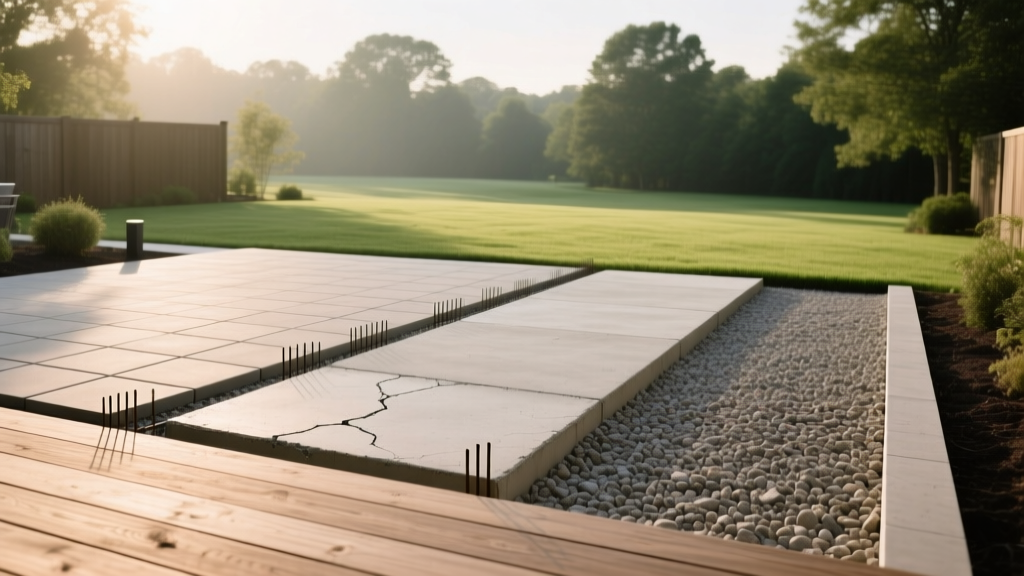
Backyard Patio Cost Guide: Budgeting Your Hardscape Project
David ParkPublished
Introduction to Patio and Hardscape Budgeting
When planning a landscape renovation, hardscaping projects like patios, walkways, and retaining walls often consume the largest portion of your outdoor budget. Unlike softscaping elements such as mulch or seasonal flowers, hardscapes are permanent structural additions that require precise engineering, proper drainage, and durable materials. Budgeting for a backyard patio goes far beyond the cost of the surface material; it encompasses excavation, base preparation, labor, and long-term maintenance.
This comprehensive cost guide breaks down the expenses associated with building a standard 144-square-foot patio (12 feet by 12 feet), allowing you to accurately forecast your project costs and avoid common financial pitfalls. Whether you are considering a simple gravel seating area or a high-end natural stone entertainment space, understanding these variables is critical for a successful landscape investment.
Average Patio Costs by Material
The surface material you choose will dictate not only the aesthetic of your outdoor living space but also the structural requirements of the base layer. Below is a comparative breakdown of the most popular patio materials, including installed costs for a standard residential project.
| Material Type | Cost per Sq. Ft. (Installed) | Estimated Lifespan | Maintenance Level |
|---|---|---|---|
| Gravel / Crushed Stone | $2 - $8 | 10 - 15 Years | High (Raking, Weeding) |
| Poured Concrete | $8 - $15 | 20 - 30 Years | Low (Annual Sealing) |
| Stamped Concrete | $12 - $25 | 20 - 30 Years | Medium (Resealing, Crack Repair) |
| Concrete Pavers | $15 - $30 | 30 - 50+ Years | Medium (Joint Sand, Sealing) |
| Natural Flagstone | $25 - $50+ | 50+ Years | Low (Occasional Cleaning) |
1. Gravel and Decomposed Granite (DG)
Gravel is the most budget-friendly hardscaping option, making it ideal for DIYers and casual seating areas. For a 144-square-foot patio, material costs range from $75 to $300. However, gravel requires a robust edging system (such as aluminum or steel landscape edging at $3 to $5 per linear foot) to prevent migration. Decomposed Granite (DG) offers a more refined, compacted surface that mimics natural dirt paths but requires a stabilizer binder to prevent erosion, adding roughly $1 to $2 per square foot to the material cost.
2. Poured and Stamped Concrete
A basic broom-finished concrete patio costs between $8 and $15 per square foot. It requires forming, pouring, and troweling, which is labor-intensive but material-cheap. Stamped concrete, which utilizes polyurethane mats to mimic brick or slate, increases the price to $12 to $25 per square foot. While cost-effective for large, sweeping curves, concrete is prone to cracking in regions with severe freeze-thaw cycles. Repairing a cracked stamped concrete slab is notoriously difficult and often requires replacing entire sections, which can disrupt your long-term budget.
3. Concrete Pavers
Brands like Techo-Bloc and Belgard offer interlocking concrete pavers that provide immense design versatility. Pavers cost $15 to $30 per square foot installed. Their primary financial advantage is their modularity; if a tree root shifts the base or a paver cracks, you can simply lift the affected stones, re-grade the base, and replace them. For eco-conscious budgets, consider permeable paver systems, which allow water to filter through the joints, reducing the need for expensive underground drainage infrastructure.
4. Natural Flagstone and Slate
Natural stone is the premium tier of hardscaping. Flagstone, bluestone, and slate offer unmatched organic beauty but require highly skilled masons to cut, fit, and mortar. Material costs alone can exceed $15 per square foot, and specialized masonry labor pushes the total installed cost well past $35 per square foot. Natural stone is best reserved for smaller, high-impact focal areas rather than sprawling entertainment patios.
Site Preparation and Labor Costs
A common budgeting mistake is underestimating site preparation. The longevity of any patio relies entirely on its sub-base. For pavers and natural stone, contractors must excavate 7 to 9 inches of topsoil, install a geotextile fabric to prevent weed growth, and compact 4 to 6 inches of crushed angular gravel (like 3/4-inch crushed stone) using a mechanical plate compactor.
- Excavation and Hauling: $2 to $10 per square foot, heavily dependent on soil type (clay is harder to dig than loam) and access to the backyard. If a bobcat cannot fit through your side gate, manual wheelbarrow removal will increase labor costs by 20% to 30%.
- Base Materials: Crushed stone and bedding sand cost approximately $1.50 to $3.00 per square foot.
- Grading and Slope: Patios must slope away from the home foundation at a minimum rate of 1/4 inch per foot. Laser leveling and precision grading add $1 to $2 per square foot in labor.
Hidden Hardscaping Expenses to Anticipate
When requesting quotes from landscape architects or hardscape contractors, ensure the following line items are addressed to avoid mid-project budget inflation:
Drainage Solutions
If your patio is situated at the bottom of a slope, surface water will pool against the hardscape and your home foundation. Installing a French drain or a trench drain system across the patio threshold costs between $20 and $30 per linear foot. Catch basins and underground PVC piping to route water to the street or a dry well can add $800 to $2,500 to the total project cost.
Permits and HOA Fees
Many municipalities require building permits for hardscapes exceeding 200 square feet, or for any project that alters lot grading. Permit fees typically range from $50 to $250. Additionally, Homeowner Association (HOA) architectural review boards may charge application fees or require specific material palettes that limit your budget-friendly options.
Sealing and Joint Sand
Concrete pavers and stamped concrete require sealing every 2 to 3 years to protect against UV fading and efflorescence (white salt stains). Professional sealing costs $1.50 to $3.00 per square foot. For pavers, polymeric joint sand, which hardens like mortar to prevent ant infestations and weed growth, costs roughly $0.75 per square foot.
DIY vs. Hiring a Professional Landscape Contractor
Determining whether to tackle the project yourself or hire a certified hardscape installer depends on your skill level, available time, and the chosen material.
When to DIY: Gravel patios, simple square paver layouts, and small flagstone stepping-pad projects are excellent DIY candidates. Renting a plate compactor ($75 per day) and purchasing bulk base materials from a local landscape supply yard can save you 50% to 60% on labor. However, you must be prepared for intense physical labor; moving 5 tons of crushed stone by wheelbarrow is a grueling weekend task.
When to Hire a Pro: Stamped concrete requires a synchronized crew and precise timing that leaves zero room for amateur error. Similarly, large retaining walls (over 3 feet high) require geogrid reinforcement and engineering stamps to prevent catastrophic soil failure. Always hire contractors certified by the Interlocking Concrete Pavement Institute (ICPI) or the National Concrete Masonry Association (NCMA) to ensure structural warranties are honored.
Expert Insights and Authoritative Guidance
To ensure your hardscape investment is both financially sound and structurally viable, it is vital to consult industry standards. According to the National Association of Landscape Professionals (NALP), well-designed hardscaping can yield a return on investment (ROI) of up to 70% upon property resale, provided the materials complement the regional climate and architectural style.
Integrating sustainable drainage into your hardscape budget is no longer optional; it is a necessity for modern landscape resilience. Permeable paving systems, while initially 10% to 15% more expensive than traditional impermeable concrete, significantly reduce long-term stormwater management costs, mitigate local flooding, and protect downstream water quality.
— Clemson University Cooperative Extension, Department of Plant and Environmental Sciences
By allocating an extra 10% of your total budget for permeable base aggregates and specialized jointing materials, you future-proof your patio against increasingly strict municipal stormwater runoff regulations.
Final Budgeting Checklist
Before breaking ground, review this essential budgeting checklist to ensure comprehensive financial planning:
- Verify property lines and underground utility locations (call 811 before digging).
- Obtain at least three itemized quotes from licensed hardscape contractors.
- Confirm that quotes include debris removal, base compaction, and final site cleanup.
- Set aside a 15% contingency fund for unforeseen soil issues or hidden tree roots.
- Research local rebate programs for installing permeable hardscapes or rain gardens adjacent to your patio.
Thorough preparation and realistic cost expectations are the cornerstones of a successful landscaping project. By understanding the true costs of materials, labor, and hidden infrastructure, you can design a backyard patio that enhances your curb appeal and provides decades of outdoor enjoyment without breaking the bank.

