
Landscaping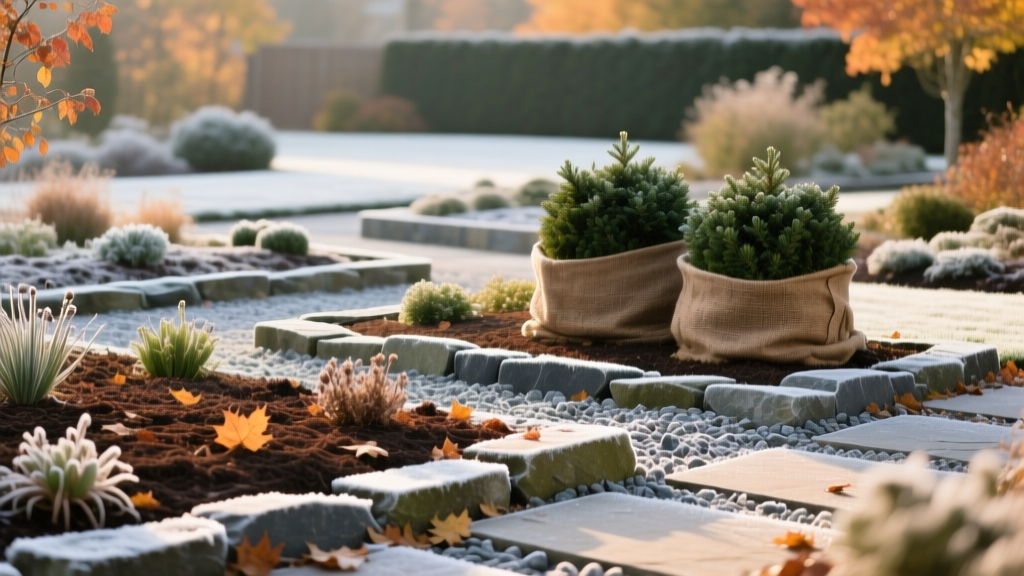
Fall Landscape Maintenance: Winterizing Beds and Hardscapes
Mike RodriguezPublished
Why Fall Landscape Maintenance is Critical for Long-Term Health
As the vibrant colors of autumn signal the end of the growing season, many homeowners make the mistake of putting away their landscaping tools for the year. However, fall is arguably the most critical season for ensuring the long-term health and structural integrity of your outdoor spaces. The transition from autumn to winter introduces drastic temperature fluctuations, freezing soils, and harsh winds that can devastate unprotected garden beds, desiccate vulnerable shrubs, and crack expensive hardscaping features.
Proper seasonal maintenance goes far beyond simply raking leaves. It requires a strategic approach to soil biology, plant dormancy, and hardscape preservation. By investing a weekend in late October or early November to winterize your landscape, you can prevent thousands of dollars in springtime replacement costs. This comprehensive guide will walk you through the exact steps, products, and measurements needed to protect your landscape investments from the brutal realities of winter.
Winterizing Garden Beds and Soil Health
Strategic Debris Management and Disease Control
The modern ecological landscaping movement often advocates for "leaving the leaves" to provide overwintering habitat for beneficial pollinators and native bees. While this is excellent for woodland edges, it can be disastrous for formal garden beds and turf-adjacent areas. Thick mats of wet leaves trap moisture against the crowns of perennials, creating a breeding ground for fungal pathogens like snow mold and crown rot.
For garden beds, remove heavily diseased foliage—particularly from plants that suffered from powdery mildew or black spot, such as roses and peonies. Bag and dispose of this material; do not compost it, as home compost piles rarely reach the 140°F required to kill fungal spores. For healthy leaves, consider shredding them with a mulching mower and leaving a thin, one-inch layer over your beds to decompose and feed the soil microbiome.
Applying the Right Winter Mulch
Mulching in the fall serves a different purpose than spring mulching. While spring mulch is designed to retain moisture and suppress weeds, fall mulch acts as an insulating blanket to regulate soil temperature and prevent "frost heave." Frost heave occurs when the ground repeatedly freezes and thaws, literally pushing the root balls of shallow-rooted perennials and newly planted shrubs out of the soil, exposing them to lethal freezing air.
Apply a 2 to 3-inch layer of shredded hardwood bark or pine straw to your garden beds after the first hard frost, once the ground has begun to chill. This timing prevents rodents from nesting in the warm mulch before winter sets in. Crucially, practice the "donut method" for mulching around trees and shrubs. Keep the mulch at least 3 inches away from the trunk flare to prevent bark decay and vole damage. A cubic yard of premium shredded hardwood mulch typically costs between $25 and $40 and will cover approximately 100 square feet at a 3-inch depth.
Protecting Trees and Shrubs from Winter Desiccation
Anti-Desiccant Sprays for Broadleaf Evergreens
Winter sun and harsh winds can be just as damaging as freezing temperatures, particularly for broadleaf evergreens like rhododendrons, hollies, mountain laurels, and boxwoods. Because these plants retain their leaves year-round, they continue to lose moisture through transpiration. When the ground is frozen, the roots cannot absorb replacement water, leading to "winter burn"—a condition where leaves turn brown, crisp, and die off.
To combat this, apply an anti-desiccant spray such as Wilt-Pruf or Bonide Wilt Stop. These products coat the foliage in a protective, breathable polymer film that reduces moisture loss. Timing is everything: apply the spray on a dry day when temperatures are between 40°F and 50°F, and well before the ground freezes. A single quart of ready-to-use anti-desiccant costs around $15 and treats roughly 50 square feet of foliage. Note that some sprays require a second application in mid-winter during a warm spell, as the coating degrades under UV light.
Burlap Wraps and Physical Barriers
For vulnerable shrubs located in the path of prevailing winter winds or near roads where salt spray is prevalent, physical barriers are essential. Drive three or four wooden stakes into the ground around the shrub and wrap them with heavy-duty, breathable burlap. Never wrap the plant tightly in plastic, as this will trap heat on sunny winter days, causing the plant to break dormancy prematurely and die when temperatures plummet at night.
Additionally, protect multi-stemmed shrubs like arborvitae from heavy snow loads. Snow can accumulate in the center of the plant, causing the branches to splay outward and snap. Wrap the shrubs spirally with jute twine or specialized landscape tape to hold the branches securely together against the trunk.
Hardscape Winterization: Patios, Walkways, and Retaining Walls
Sealing Pavers and Natural Stone
Hardscaping elements are highly susceptible to the freeze-thaw cycle. Water penetrates the microscopic pores of natural stone, concrete pavers, and retaining wall blocks. When this water freezes, it expands by up to 9%, causing the surface to spall, flake, or crack. To prevent this, hardscapes should be cleaned and sealed in the fall.
First, use a specialized paver cleaner to remove dirt, efflorescence, and organic stains. Allow the surface to dry completely for at least 48 hours. Next, apply a penetrating, siloxane-based sealer like Surebond SB-1300 or SX-5000. Unlike topical film-forming sealers that can become slippery and trap moisture underneath, siloxane sealers penetrate deep into the pores and react chemically to create a hydrophobic barrier. Expect to spend $45 to $65 per gallon, with one gallon covering roughly 150 square feet.
Joint Sand Stabilization and Drainage
Empty joints between pavers are an open invitation for winter damage. Water enters the joints, freezes, and causes the pavers to shift and heave. Inspect your patios and walkways for missing joint sand. Sweep in a high-quality polymeric sand, mist it lightly with water to activate the binding agents, and allow it to cure. This locks the pavers in place while still allowing for necessary drainage.
Furthermore, ensure that all landscape drainage systems are cleared of autumn debris. Clean out catch basins, French drain grates, and dry creek beds. Standing water that freezes near your home's foundation or behind a retaining wall can cause catastrophic structural failure due to hydrostatic pressure.
Safe Ice Melt Products for Landscapes
When winter arrives, the type of ice melt you use on your hardscapes directly impacts the health of your adjacent landscape beds. Traditional rock salt (sodium chloride) is highly toxic to plants, drawing moisture out of roots and causing severe soil compaction. It also corrodes concrete and natural stone.
Instead, invest in Calcium Magnesium Acetate (CMA) or a calcium chloride blend. CMA is biodegradable, safe for pets, and will not harm your carefully maintained garden beds or hardscape surfaces if tracked off the walkway. While CMA costs roughly $25 to $35 for a 20-pound bucket (compared to $10 for rock salt), the investment prevents thousands of dollars in plant replacement and paver restoration.
Comprehensive Fall Landscaping Maintenance Chart
Use the following reference table to plan your seasonal maintenance schedule, budget, and material requirements.
| Maintenance Task | Ideal Timing | Estimated Cost | Primary Benefit |
|---|---|---|---|
| Perennial Cutback & Disease Removal | Late October (Post-Frost) | $0 - $15 (Bags) | Prevents fungal pathogens from overwintering in soil. |
| Insulating Mulch Application | November (After ground chills) | $25 - $40 / cubic yard | Prevents frost heave and protects shallow root systems. |
| Anti-Desiccant Spray (Evergreens) | Mid-November (40°F - 50°F) | $15 - $25 / quart | Prevents winter burn and fatal moisture loss. |
| Siloxane Hardscape Sealer | October (Dry weather) | $45 - $65 / gallon | Blocks water intrusion, preventing freeze-thaw spalling. |
| Polymeric Sand Re-application | September - October | $30 - $45 / bag | Locks pavers in place and prevents shifting/heaving. |
| Drainage Catch Basin Cleaning | Late November | $0 (Labor only) | Prevents ice dams and hydrostatic pressure buildup. |
Expert Insights and Authoritative Guidelines
When planning your seasonal maintenance, it is vital to rely on data-driven horticultural science rather than anecdotal myths. According to the Penn State University Cooperative Extension, the most common cause of winter injury to landscape plants is not the cold itself, but the rapid temperature fluctuations and desiccation caused by winter winds and sun exposure. Their research emphasizes that late-fall watering is critical; evergreens should be watered deeply until the ground freezes to ensure they enter winter dormancy fully hydrated.
Furthermore, university extension programs universally warn against "volcano mulching"—the practice of piling mulch high against tree trunks. This traps moisture, invites wood-boring insects, and promotes girdling roots, which will eventually choke and kill the tree. By adhering to proper clearances and utilizing breathable protective materials like burlap and siloxane sealers, homeowners can ensure their landscapes emerge from the snowmelt vibrant, structurally sound, and ready for the spring growing season.

