
Landscaping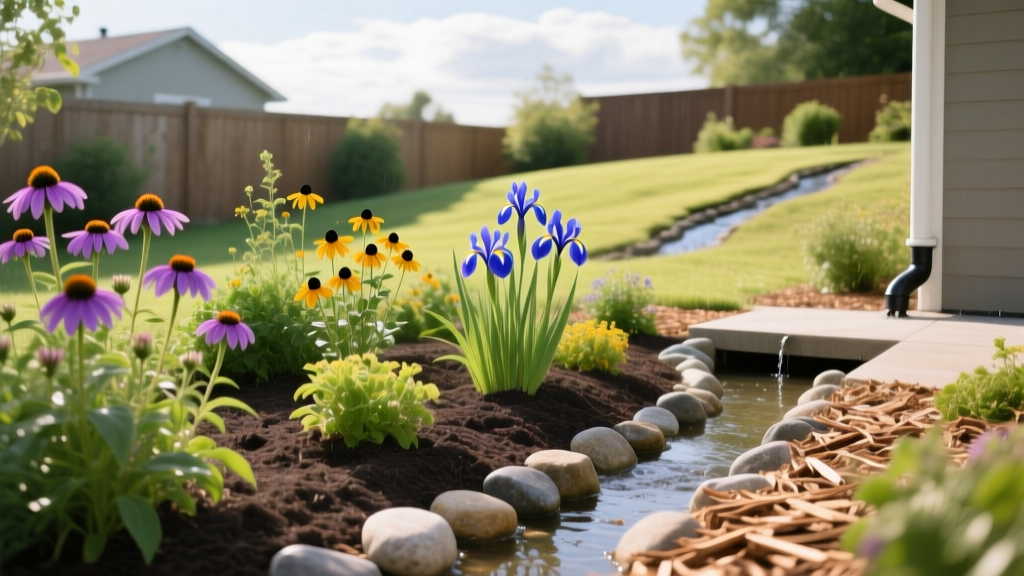
Beginner Guide To Growing A Low Maintenance Rain Garden
James MillerPublished
Transform Yard Drainage Problems Into a Beautiful Landscape Feature
If you are a beginner to landscaping and struggle with soggy yard spots, downspout runoff, or poor drainage, a rain garden is the perfect sustainable solution. A rain garden is a shallow, landscaped depression designed to capture, filter, and slowly absorb stormwater runoff from impervious surfaces like roofs, driveways, and patios. Not only does this prevent soil erosion and protect local waterways from pollution, but it also creates a stunning, low-maintenance habitat for pollinators.
According to the United States Environmental Protection Agency (EPA), a properly designed residential rain garden can reduce stormwater runoff volume by up to 30 percent while filtering out heavy metals, fertilizers, and pesticides. For beginners, growing a rain garden is highly rewarding because it relies on hardy, native plants that thrive on neglect once established. This comprehensive guide will walk you through the exact measurements, soil recipes, and plant selections needed to build your first rain garden.
Tools and Materials You Will Need
Before breaking ground, gather the following essentials to ensure a smooth installation process:
- Spade and flat-edged shovel for digging
- Level and a long wooden board (to check grading)
- Garden hose (to outline the shape)
- Coarse builder sand, topsoil, and organic compost
- Tape measure and stakes
- Wheelbarrow for mixing soil
- Triple-shredded hardwood mulch
Step 1: Choosing the Perfect Location
Site selection is the most critical factor in rain garden landscaping. You want to capture water naturally, but you must protect your home foundation. Follow these strict placement rules:
The 10-Foot Rule
Never place a rain garden within 10 feet of your home foundation, basement walls, or septic systems. This prevents water from seeping into your structural footprint. Additionally, keep the garden at least 5 feet away from large tree root zones to avoid damaging established canopies.
Sizing Your Garden
As a general rule of thumb, your rain garden should be roughly 20 percent the size of the impervious surface area draining into it. For example, if a 500-square-foot section of your roof drains via a downspout into the yard, your rain garden should be approximately 100 square feet (e.g., 10 feet by 10 feet). For beginners, keeping the total area under 150 square feet makes the manual labor highly manageable.
Step 2: The Percolation Test and Digging
Before committing to a location, you must verify that your native soil can actually drain. Heavy clay soils can hold water for days, creating a mosquito breeding ground rather than a functional landscape feature.
How to Perform a Percolation Test
Dig a test hole about 12 inches deep and 6 inches wide in your chosen spot. Fill it completely with water and let it drain overnight. The next day, fill it again. If the water drains at a rate of at least 1 inch per hour, your site is viable. If water remains after 24 hours, you will need to amend the soil heavily or choose a new location.
Excavating the Basin
Once approved, outline your garden shape using a garden hose; organic, kidney-bean shapes look more natural than rigid squares. Dig the basin to a depth of 4 to 8 inches. The bottom should be completely flat, while the sides slope gently upward at a 3:1 ratio to prevent erosion. Use a level to ensure the basin floor is even so water pools uniformly rather than rushing to one corner.
Step 3: Mixing the Ideal Rain Garden Soil
Native soil is rarely ideal for a rain garden. Even if you passed the percolation test, replacing or heavily amending the top 12 inches of soil ensures rapid infiltration and healthy root growth. Rutgers University Extension recommends a specific bioretention soil mix that balances drainage with nutrient retention.
Mix the following components thoroughly in a wheelbarrow or directly in the basin:
- 50% Coarse Builder Sand: Provides essential pore space for rapid water drainage.
- 25% Topsoil: Adds structure and essential minerals.
- 25% Organic Compost: Retains moisture during dry spells and feeds soil microbes.
Avoid using peat moss, as it becomes hydrophobic when dry, and never add synthetic fertilizers, which will wash into local waterways and cause algae blooms.
Step 4: Selecting Beginner-Friendly Native Plants
The key to a low-maintenance rain garden is choosing native plants adapted to your local climate and the unique micro-environment of the basin. A rain garden has three distinct moisture zones: the bottom (wettest), the slopes (moderate), and the edges (driest). You must select plants that can survive both temporary flooding and summer droughts.
Below is a comparison chart of highly resilient, beginner-friendly native plants that work beautifully in most temperate landscaping zones (USDA Zones 4-8):
| Common Name | Botanical Name | Garden Zone | Mature Height | Bloom Time | Approx. Cost (Plug) |
|---|---|---|---|---|---|
| Swamp Milkweed | Asclepias incarnata | Center (Wet) | 3-4 feet | Mid-Summer | $4.50 |
| Blue Flag Iris | Iris versicolor | Center (Wet) | 2-3 feet | Early Summer | $5.00 |
| New England Aster | Symphyotrichum novae-angliae | Slopes (Medium) | 3-5 feet | Late Fall | $3.75 |
| Black-Eyed Susan | Rudbeckia hirta | Edges (Dry) | 2-3 feet | Summer-Fall | $3.50 |
| Joe-Pye Weed | Eutrochium purpureum | Center (Wet) | 5-7 feet | Late Summer | $6.00 |
Expert Landscaping Tip: When purchasing plants, opt for deep-rooted native 'plugs' or 1-gallon potted specimens rather than seeds. Plugs establish faster, outcompete weeds, and provide immediate erosion control in your new basin.
Step 5: Planting and Mulching Techniques
Proper planting depth and mulching are where most beginners make costly mistakes. Arrange your plants in odd-numbered clusters (groups of 3 or 5) for a naturalized look, spacing them roughly 12 to 18 inches apart depending on their mature spread.
The Mulch Mandate
You must apply 2 to 3 inches of mulch over the exposed soil to retain moisture and suppress weeds. However, never use pine bark or wood chips in a rain garden. Because pine bark is highly buoyant, the first heavy rainstorm will float the mulch right out of your basin and across your lawn. Instead, use triple-shredded hardwood mulch or decorative river rock (1 to 2 inches in diameter), which will interlock and stay firmly in place during heavy water flow.
First-Year Maintenance and Care
While rain gardens are famously low-maintenance in years two and beyond, the first 12 months require a bit of nurturing as the deep root systems establish themselves.
- Watering: Provide 1 inch of water per week during the first summer, especially during dry spells. Use a rain gauge to track natural precipitation.
- Weeding: Hand-pull invasive weeds monthly. Because you did not use chemical pre-emergents (which would harm the water quality), manual weeding is necessary until your native plants fill in the canopy.
- Sediment Removal: After heavy storms, check the garden inlet for accumulated silt or debris. Rake out any thick sediment layers that might block water from entering the soil profile.
Estimated Cost Breakdown for a 100 Sq. Ft. Garden
Building a rain garden is an investment in your property value and local ecology. Here is a realistic budget for a DIY beginner tackling a 10x10 foot space:
| Material / Task | Quantity Needed | Estimated Cost |
|---|---|---|
| Soil Mix (Sand/Topsoil/Compost) | 2.5 Cubic Yards | $120.00 |
| Native Plant Plugs (Mix of 5 species) | 30 Plugs | $135.00 |
| Triple-Shredded Hardwood Mulch | 1.5 Cubic Yards | $60.00 |
| Downspout Diverter / Extender | 1 Unit | $25.00 |
| Decorative River Rock (for inlet) | 3 Bags (50 lbs each) | $18.00 |
| Total Estimated DIY Cost | $358.00 |
Common Beginner Mistakes to Avoid
Even with the best intentions, novice landscapers can encounter hurdles. Avoid these common pitfalls to ensure your rain garden thrives:
- Digging Too Deep: A basin deeper than 8 inches can hold water for too long, drowning plant roots and creating a safety hazard. Keep it shallow and wide.
- Planting Non-Natives: Exotic ornamentals often lack the deep, extensive root systems required to break up compacted soil and absorb massive volumes of water quickly.
- Ignoring the Overflow: Design an overflow exit point. In extreme 100-year storm events, excess water needs a safe, graded path to exit the garden and flow toward the street or a dry well without eroding your yard.
By following this beginner-friendly growing guide, you will transform a problematic, waterlogged corner of your landscape into a vibrant, sustainable ecosystem. Not only will you eliminate standing water and protect your home foundation, but you will also enjoy a dynamic, seasonal display of native blooms that support local butterflies, bees, and beneficial insects for years to come.

