Tree Care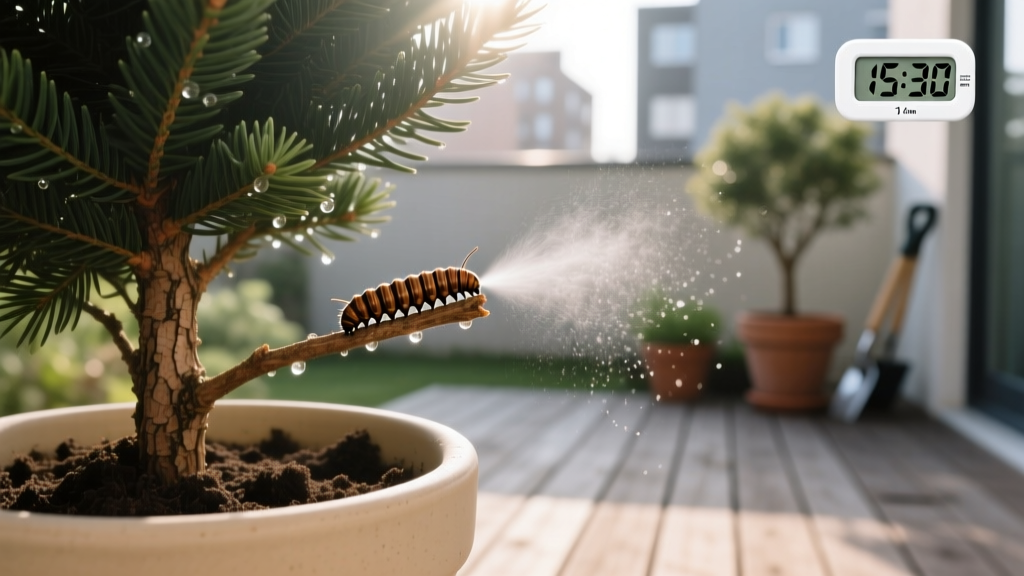
2026 Guide: Bagworm Timing & Bt Spray for Potted Trees
James MillerPublished
The Rise of Potted Evergreens and the Bagworm Threat
Container gardening has evolved dramatically over the last decade, with dwarf and patio evergreens becoming staple features on balconies, patios, and rooftop gardens. Species like the Dwarf Alberta Spruce, Blue Star Juniper, and Emerald Green Arborvitae offer year-round structure and privacy in small spaces. However, growing conifers in pots introduces unique stressors, making them prime targets for destructive pests. As of 2026, the most pervasive and damaging of these is the bagworm (Thyridopteryx ephemeraeformis).
Unlike trees planted in the ground, potted evergreens have restricted root zones and dry out faster, which can weaken their natural resin-based defenses. When bagworms invade a containerized tree, the limited foliage means that even a small infestation can defoliate and kill the plant in a single season. Fortunately, managing bagworms in a container setting is highly manageable if you understand the precise timing for removal and the strategic use of Bacillus thuringiensis (Bt) sprays.
Why Container Evergreens Are Highly Susceptible
Bagworms are native to North America and primarily target arborvitae, junipers, cedars, and spruces—the exact species favored for container gardening. The female bagworm never leaves her protective silk-and-needle bag, laying up to 1,000 eggs inside it during the fall. These eggs overwinter and hatch in late spring.
In a container environment, two factors amplify the threat:
- Proximity and Spread: Potted trees are often placed close together on patios or decks. When the tiny, first-instar caterpillars hatch, they can easily "balloon" on silk threads from one container to the next, rapidly colonizing your entire outdoor living space.
- Environmental Stress: Container trees experience wider temperature fluctuations and moisture deficits than in-ground trees. Stressed evergreens emit volatile organic compounds that actually attract pests, signaling to bagworms that the tree's defenses are down.
Identifying Bagworms on Patio Trees
Before you can treat the issue, you must identify it. Bagworms are masters of camouflage. They construct spindle-shaped bags out of silk and the host tree's needles. On a potted juniper, a mature bagworm looks exactly like a small, dead pinecone or a cluster of brown needles clinging to the branch.
According to Penn State Extension, early detection is critical. In the early summer, the bags are only 1/8 inch long and look like tiny bits of debris. By late summer, they grow to 1.5 to 2 inches long. If you see browning tips on your potted arborvitae or notice small, moving "cones" on your patio spruce, you have an active infestation.
The Critical Timing for Bagworm Removal
Timing is everything when managing bagworms, especially for organic container gardeners who want to avoid harsh synthetic pesticides that could contaminate patio surfaces or harm beneficial soil microbes in the pot. The management strategy is divided into two distinct phases: manual removal and biological spraying.
Phase 1: Manual Removal (Fall through Early Spring)
Between October and April, the bagworms are either maturing, mating, or overwintering as eggs inside the bags. Spraying during this time is entirely ineffective because the eggs are protected by the thick silk and dead needles of the bag. Because your trees are in containers, they are likely at eye level or easily accessible. Hand-picking is the most effective 2026 strategy for winter management.
Wear gardening gloves, inspect every branch of your potted evergreens, and snip the bags off with sterilized pruning shears. Drop them into a bucket of soapy water or seal them in a plastic bag and dispose of them in the trash. Do not drop them onto the potting soil, as the eggs can still survive and hatch in the spring.
Phase 2: Bt Spray Application (Late Spring to Early Summer)
Once the eggs hatch—typically between late May and mid-June, depending on your local hardiness zone and 2026's specific weather patterns—the tiny caterpillars emerge and begin feeding. This is the narrow, critical window for applying Bt spray.
| Season | Bagworm Life Stage | Container Tree Action Plan |
|---|---|---|
| Fall / Winter | Eggs overwintering inside bags | Hand-pick and destroy all visible bags. Inspect pot rims and trellises. |
| Early Spring | Eggs preparing to hatch | Final hand-picking sweep. Apply slow-release organic fertilizer to boost tree vigor. |
| Late Spring | Hatching & early feeding (1st instar) | Apply Bt kurstaki spray immediately. Repeat every 7-10 days. |
| Mid-Summer | Maturing, building larger bags | Bt becomes less effective as caterpillars mature. Hand-pick remaining large bags. |
| Late Summer | Mating and pupation | Monitor for severe defoliation. Ensure deep watering of containers to reduce stress. |
Bt Spray: The Organic Solution for Potted Trees
Bacillus thuringiensis var. kurstaki (Btk) is a naturally occurring soil bacterium that produces proteins toxic to the larvae of moths and butterflies, including bagworms. When the young caterpillar ingests the Bt-coated needles, the protein crystallizes in its alkaline gut, causing it to stop feeding and die within a few days.
For container gardeners, Bt is the gold standard in 2026. Synthetic insecticides like permethrin or malathion can leave toxic residues on patio furniture, harm pets lounging near the pots, and decimate the beneficial mycorrhizal fungi living in your container's potting mix. Bt, conversely, is highly specific to caterpillars and breaks down rapidly in sunlight, making it perfectly safe for rooftop gardens, balconies, and family-friendly patios.
As Clemson University's Home & Garden Information Center notes, Bt is most effective when the caterpillars are small (less than 1/2 inch). Once the bagworm builds a large, thick bag, it stops feeding as aggressively and the Bt cannot penetrate the silk barrier.
Step-by-Step Bt Application Guide for Containers
In 2026, a standard 16-ounce bottle of liquid Btk concentrate (such as Bonide Thuricide or Monterey B.t.) costs between $16 and $22, which is more than enough to treat a dozen large patio containers for the entire season.
- Mix the Solution: Follow the label instructions precisely. Typically, this involves mixing 1 to 1.5 teaspoons of Bt concentrate per gallon of water. Use a dedicated pump sprayer for your patio trees.
- Timing the Spray: Apply the spray in the early evening or on an overcast day. UV light degrades Bt rapidly, so evening application allows the spray to dry on the needles and remain potent for the caterpillars to ingest the next morning.
- Thorough Coverage: Spray the potted evergreen until the solution is dripping from the needles. Pay special attention to the inner canopy and the lower branches where bagworms often establish first.
- Reapplication: Bt degrades in about 5 to 7 days due to sunlight and weather. You must reapply every 7 to 10 days from the time you spot hatching (usually early June) through mid-July to catch any late-hatching stragglers.
Protecting Your Potting Soil and Patio Environment
One of the unique aspects of treating container trees is managing the "fallout." When you spray an in-ground tree, the excess Bt washes into the earth where it naturally belongs. When you spray a potted tree on a wooden deck or concrete patio, you must consider the runoff.
While Bt is safe for earthworms and beneficial soil microbes, excessive liquid runoff can lead to waterlogged potting soil, which invites root rot in conifers. To manage this:
- Elevate Your Pots: Use pot feet or risers to ensure proper drainage. This prevents the Bt-treated runoff from pooling at the base of the container and wicking back up into the root zone.
- Protect Hardscapes: Although Bt won't stain, the water mixed with organic debris from the tree might. Place a temporary tarp or a decorative splash mat under your containers during spray days to keep your patio pristine.
- Support the Soil Microbiome: After a season of pest stress and treatment, top-dress your potted evergreens in late summer with a half-inch layer of high-quality compost or a specialized mycorrhizal inoculant. This helps rebuild the soil food web that supports the tree's immune system.
Companion Planting and Preventative Container Strategies
To further protect your potted evergreens in 2026, consider the micro-environment of your containers. Bagworms rely on wind to disperse their newly hatched young. By placing your potted conifers in slightly sheltered areas of your patio—perhaps flanked by broadleaf container plants like hydrangeas or hostas—you can create a physical windbreak that reduces the likelihood of ballooning caterpillars landing on your evergreens.
Furthermore, maintaining optimal hydration is your first line of defense. Container evergreens should be watered deeply when the top two inches of soil feel dry. A well-hydrated spruce or juniper produces abundant, sticky resin that can physically trap and deter young, vulnerable bagworm larvae before they can construct their protective bags.
Conclusion
Growing evergreens in containers brings the beauty of the forest right to your doorstep, but it requires a proactive approach to pest management. By understanding the life cycle of the bagworm and adhering to a strict schedule of winter hand-picking and early-summer Bt spraying, you can keep your patio trees lush, green, and thriving. The 2026 gardening season demands smart, targeted, and eco-friendly solutions, and Bt remains the undisputed champion for protecting potted conifers without compromising the safety of your outdoor living space.
For more localized hatching timelines and advanced integrated pest management strategies, always consult your local university extension office, such as the University of Maryland Extension, which provides excellent, up-to-date resources on regional pest behaviors and tree care.
