Tree Care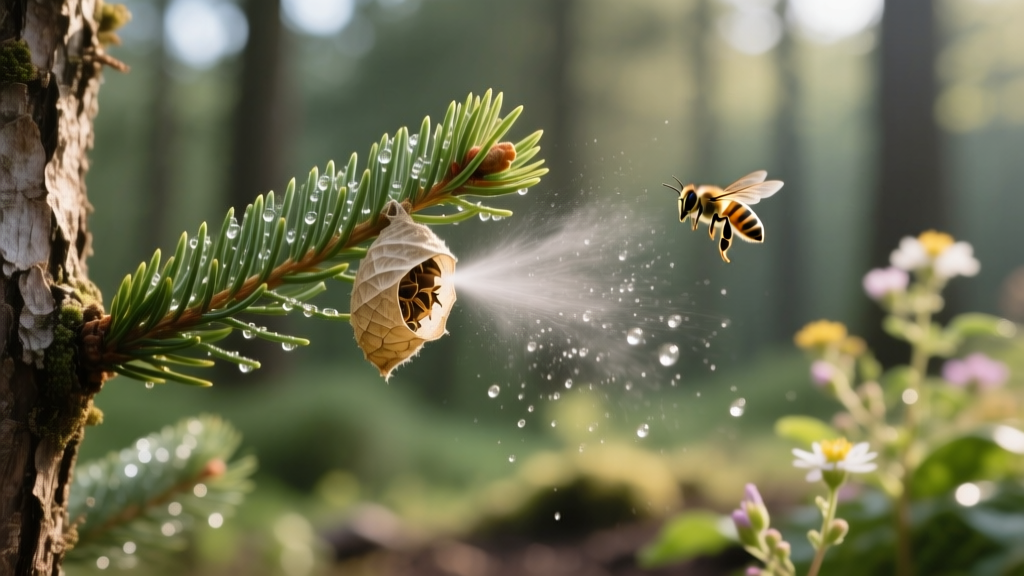
Eco-Friendly Bagworm Control 2026: Bt Spray & Pollinator Safety
Lisa ThompsonPublished
The 2026 Pollinator-Safe Approach to Bagworm Management
As we navigate the shifting climate zones and evolving ecological awareness of 2026, home gardeners are increasingly prioritizing landscapes that support local wildlife. However, maintaining a thriving, pollinator-friendly garden does not mean surrendering your prized evergreens to destructive pests. The bagworm (Thyridopteryx ephemeraeformis) remains one of the most voracious defoliators of evergreen trees, particularly targeting Eastern Arborvitae, Junipers, Leyland Cypress, and Spruce. Left unchecked, these caterpillars can strip an entire tree of its needles in a single season, leading to irreversible dieback and tree mortality.
Historically, homeowners have relied on broad-spectrum synthetic pyrethroids to combat bagworms. Unfortunately, these harsh chemicals decimate local bee populations, parasitic wasps, and other beneficial insects. In 2026, the gold standard for ecologically responsible tree care is a combination of precise manual removal timing and targeted applications of Bacillus thuringiensis (Bt). This biological control method effectively eradicates bagworms while preserving the delicate balance of your pollinator-friendly garden design.
Understanding the Bagworm Life Cycle: Timing is Everything
To successfully manage bagworms without resorting to toxic chemicals, you must understand their life cycle. Bagworms overwinter as eggs securely housed inside the camouflaged, spindle-shaped bags constructed by their mothers. These bags, often mistaken for pinecones, are firmly attached to evergreen branches and can each harbor up to 1,000 eggs.
According to entomologists at Penn State Extension, the eggs typically hatch in late spring to early summer. In many regions, shifting 2026 spring temperatures have accelerated this emergence, with hatching now frequently occurring in early to mid-May rather than June. Upon hatching, the tiny larvae spin silk 'balloons' to catch the wind, dispersing to nearby trees and shrubs. Once they land, they immediately begin feeding and constructing their own protective bags using silk and bits of host plant foliage.
The critical window for intervention is when the larvae are young and their bags are less than half an inch long. At this stage, they are highly susceptible to biological controls. Once the bags exceed one inch, the caterpillars become largely immune to sprays, and manual removal becomes the only viable option.
Bt (Bacillus thuringiensis): The Pollinator-Safe Biological Control
Bacillus thuringiensis var. kurstaki (Btk) is a naturally occurring soil bacterium that produces proteins toxic to specific caterpillars. When a young bagworm ingests foliage treated with Bt, the alkaline environment of its gut activates the toxin, causing the caterpillar to stop feeding within hours and die within a few days. The Environmental Protection Agency (EPA) recognizes Bt as a highly targeted, low-risk biopesticide that breaks down rapidly in sunlight and poses no threat to mammals, birds, or aquatic life when used as directed.
Crucially for the pollinator-friendly gardener, Bt is completely safe for bees, wasps, and adult butterflies. Bees do not consume evergreen needles, and their digestive systems do not activate the Bt protein. However, there is one vital caveat: Bt will kill butterfly and moth caterpillars if they ingest treated leaves. While evergreens are rarely host plants for pollinator caterpillars, spray drift onto nearby nectar plants or host plants (like milkweed, parsley, or fennel) can be devastating to Lepidoptera larvae. Therefore, precise, targeted application is the cornerstone of eco-friendly tree care.
Treatment Comparison: Bt vs. Traditional Insecticides
When designing a garden that supports local ecosystems, choosing the right intervention is critical. The table below compares Bt with common traditional treatments available on the market.
| Treatment Type | Pollinator & Ecosystem Impact | Efficacy on Mature Bagworms |
|---|---|---|
| Bt var. kurstaki (e.g., Thuricide, Dipel) | Safe for bees & adult butterflies. Harmful only to caterpillars that ingest treated foliage. Zero soil toxicity. | Low. Must be applied when larvae are < 0.5 inches. |
| Spinosad (e.g., Captain Jack's Deadbug) | Moderate risk. Highly toxic to bees when wet; safe once fully dried on foliage. Can harm beneficial predatory insects. | Moderate. Effective on slightly larger larvae than Bt. |
| Bifenthrin / Permethrin (Pyrethroids) | Extremely high risk. Broad-spectrum neurotoxins that decimate bee populations, beneficial wasps, and aquatic invertebrates. | High. Effective on larger bags, but ecological cost is severe. |
| Manual Hand-Picking | Zero risk. 100% safe for all pollinators, soil biology, and surrounding host plants. | High. The only effective method for bags > 1 inch and overwintering egg sacs. |
Step-by-Step 2026 Bagworm Management Plan
Integrating bagworm control into your seasonal tree care schedule requires a two-pronged approach: winter sanitation and spring biological spraying.
Phase 1: Manual Removal (Late Fall through Early Spring)
Between November and April, inspect your evergreens closely. Look for the 1.5 to 2-inch long, brown, needle-covered bags. Because these bags contain the next generation of eggs, removing them is the most impactful pollinator-safe action you can take.
- Tools: Wear gardening gloves and use dull-nosed snips to clip the bags from the branches, being careful not to strip the living evergreen foliage.
- Disposal: Do not simply drop them on the ground; the eggs will survive. Submerge the collected bags in a bucket of soapy water or rubbing alcohol for 24 hours before composting the organic matter or disposing of them in the municipal trash.
Phase 2: Targeted Bt Spray Application (Mid-to-Late Spring)
Once the eggs hatch (usually when local daytime temperatures consistently reach 75°F and you notice tiny, moving specs on the needles), it is time to apply Bt.
- Mixing: Follow the 2026 label instructions for your specific Bt concentrate (commonly 1 to 2 fluid ounces per gallon of water). Add a few drops of a non-toxic, pollinator-safe horticultural surfactant (like a mild liquid castile soap) to help the spray adhere to the waxy evergreen needles.
- Application: Use a pump sprayer to thoroughly coat the evergreen foliage. You must achieve complete coverage, as Bt is a stomach poison and the caterpillar must eat the treated needle to be affected.
- Drift Prevention: Spray on a calm, windless morning. If your evergreens border a pollinator host plant garden, use a physical cardboard shield to block any accidental overspray.
- Follow-up: Bt degrades in UV light within 5 to 7 days. Apply a second coat 10 days after the first to catch any late-hatching larvae.
Designing the Pollinator-Friendly Evergreen Zone
True pollinator-friendly garden design goes beyond simply avoiding toxic chemicals; it involves thoughtful spatial planning. Evergreens serve as vital winter windbreaks and nesting sites for birds, making them essential to the garden ecosystem. To protect your pollinator corridors, plant your evergreen windbreaks on the northern or western edges of your property, creating a physical buffer that shields your delicate pollinator host plants from harsh winds and potential spray drift.
Underplant your evergreens with shade-tolerant, native groundcovers like Wild Ginger (Asarum canadense) or Foamflower (Tiarella cordifolia). These plants provide early-season nectar for emerging native bees without competing with the evergreens for nutrients. By maintaining healthy, well-mulched, and properly watered evergreens, you naturally boost the trees' resin production, which is their first line of natural defense against boring insects and severe defoliation.
Conclusion
Managing bagworms in 2026 no longer requires sacrificing the health of your local pollinator populations. By combining diligent winter manual removal with precisely timed, drift-conscious applications of Bt, you can protect your evergreen investments while maintaining a vibrant, buzzing, and ecologically balanced garden. Embrace these targeted tree care practices, and your landscape will remain a safe haven for both your trees and the wildlife that depends on them.
