Pest Control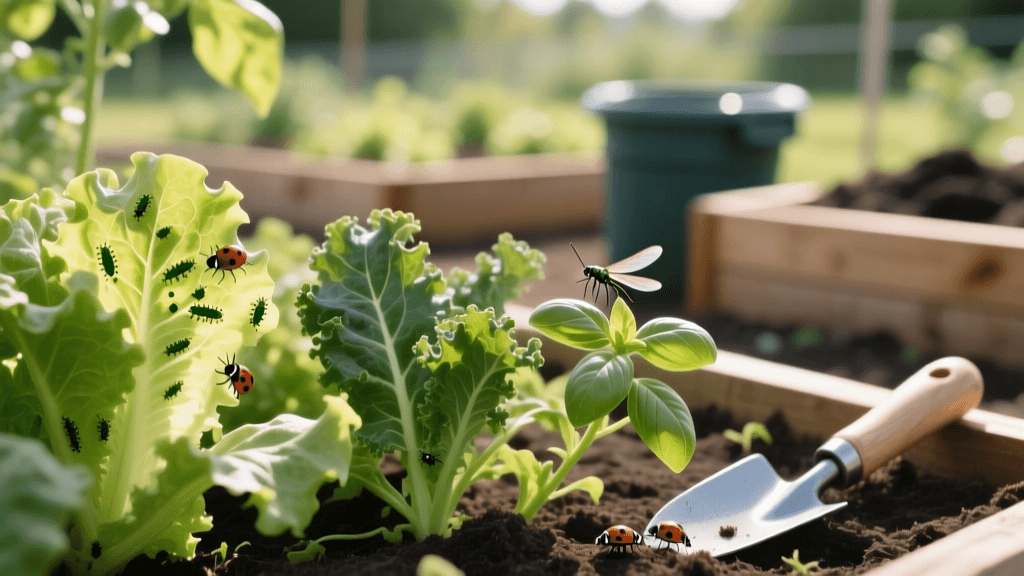
Beginner's Guide to Aphid Control in the Vegetable Garden
What Are Aphids and Why Are They in My Garden?
Gardening is a deeply rewarding journey, but every beginner inevitably crosses paths with the garden's most notorious sap-sucker: the aphid. If you have noticed tiny, pear-shaped bugs clustering on the tender new growth of your tomatoes, peppers, squash, or roses, you are dealing with an aphid infestation. Fortunately, aphids are also one of the easiest pests to manage once you understand their biology, vulnerabilities, and the principles of Integrated Pest Management (IPM).
Aphids are small, soft-bodied insects that feed on the phloem sap of plants. As they feed, they deplete the plant of essential nutrients, causing leaves to curl, yellow, and stunt in growth. More importantly, they secrete a sticky, sugary substance known as 'honeydew,' which attracts ants and provides a breeding ground for sooty mold—a black fungus that blocks sunlight from reaching your plant's leaves.
How to Identify an Aphid Infestation
Before you can treat a pest problem, you must correctly identify it. Aphids are typically less than a quarter-inch long and can be found in a variety of colors, including green, black, red, yellow, and even pink, depending on the species and their host plant.
Key Signs of Aphids:
- Clustering on New Growth: Aphids prefer the tender, succulent tips of stems and the undersides of young leaves where the plant tissue is easiest to pierce.
- Honeydew and Sooty Mold: If your plant leaves feel unusually sticky or look like they have been dusted with black soot, aphids are likely feeding nearby.
- Ant Activity: Ants and aphids share a symbiotic relationship. Ants will actually 'farm' aphids, protecting them from predators in exchange for harvesting their sugary honeydew. If you see a trail of ants marching up a tomato stem, inspect the top of the plant immediately.
- Distorted Leaves: Many aphid species inject a toxin into the plant while feeding, which causes the leaves to twist, curl, and cup, providing the aphids with a sheltered hiding spot.
The Beginner's Aphid Control Comparison Chart
When treating pests, it is vital to start with the least toxic method and only escalate if necessary. Below is a comparison of the most effective beginner-friendly treatments.
| Control Method | Estimated Cost | Speed of Results | Best Used For | Impact on Beneficials |
|---|---|---|---|---|
| Water Blast (Mechanical) | Free | Immediate | Light, early-stage infestations | None |
| Insecticidal Soap | $8 - $12 | 24 - 48 Hours | Moderate infestations on contact | Low (when dry) |
| Neem Oil | $12 - $18 | 3 - 7 Days | Persistent colonies and egg stages | Moderate (spray at dusk) |
| Ladybug Release | $15 - $30 | 1 - 2 Weeks | Long-term garden balance | Positive (adds beneficials) |
Step-by-Step Organic Treatment Plan for Beginners
Follow this sequential approach to eradicate aphids without resorting to harsh, broad-spectrum synthetic chemicals that can harm the broader ecosystem of your garden.
Step 1: The Mechanical Water Blast
Before reaching for a spray bottle of organic pesticides, use the power of water. Aphids are weak crawlers. Once knocked off a plant, they are generally unable to find their way back to the host before they starve or are eaten by ground-dwelling predators.
- How to do it: Attach a spray nozzle to your garden hose and set it to a sharp, focused stream (not a jet that will snap the plant stems). Spray the undersides of the leaves and the growing tips early in the morning so the plant foliage has time to dry in the sun, preventing fungal diseases.
- Timing: Repeat every 2 to 3 days for a week. For many mild infestations, this is all the treatment required.
Step 2: Insecticidal Soap Application
If the water blast fails and the colony rebounds, it is time to use insecticidal soap. These soaps work by penetrating the soft outer shell of the aphid, causing them to dehydrate and die on contact. They leave no toxic residue once dry.
- Product Recommendation: Safer Brand Insect Killing Soap (Ready-to-Use, approx. $10 for 32 oz) or Garden Safe Insecticidal Soap.
- DIY Alternative: Mix 2.5 tablespoons of pure, non-degreasing liquid castile soap (like Dr. Bronner's Peppermint) into 1 gallon of water. Avoid dish detergents with degreasers or bleach, as these will strip the protective waxy cuticle off your plant's leaves.
- Application: Spray thoroughly, ensuring you drench the undersides of the leaves where aphids hide. Apply only in the early evening or on overcast days to prevent the sun from reacting with the soap and burning the foliage.
Step 3: Neem Oil for Persistent Colonies
Neem oil, extracted from the seeds of the neem tree, acts as a hormonal disruptant. It stops aphids from feeding, mating, and laying eggs, effectively breaking their reproductive cycle.
- Product Recommendation: Bonide Neem Oil Concentrate (approx. $15 for 16 oz).
- Mixing Ratio: Mix 1 ounce (2 tablespoons) of pure cold-pressed neem oil and 1 teaspoon of mild liquid soap (as an emulsifier) into 1 gallon of warm water. Shake vigorously.
- Application: Spray at dusk. Neem oil can harm bees if sprayed directly on them while wet, so applying at sunset ensures the oil dries before morning pollinators arrive. Reapply every 7 days until the infestation is gone.
Preventing Aphids Before They Arrive
The best pest control strategy is a robust prevention plan. Aphids are attracted to plants that are undergoing rapid, lush, succulent growth.
Manage Your Nitrogen Levels
Beginner gardeners often over-fertilize, thinking more food equals bigger vegetables. However, high-nitrogen fertilizers (like synthetic 10-10-10 blends) push out soft, sappy green growth that acts like an all-you-can-eat buffet for aphids. Switch to slow-release, organic fertilizers like compost, worm castings, or fish emulsion, which provide steady, balanced nutrition without triggering vulnerable growth spurts.
Utilize Companion Planting
Strategic planting can naturally repel aphids or draw them away from your prized crops.
- Trap Crops: Plant nasturtiums a few feet away from your vegetable beds. Aphids absolutely love nasturtiums and will often flock to them, leaving your tomatoes and peppers alone. Once the nasturtiums are covered in aphids, you can pull them up and compost them.
- Repellents: Interplant strong-smelling alliums like garlic, chives, and onions throughout your garden. The pungent sulfur compounds in these plants mask the scent of your vegetables and confuse foraging aphids.
Common Mistakes Beginners Make
When faced with a pest invasion, panic can lead to poor decisions. Avoid these common beginner pitfalls:
- Spraying in the Midday Sun: Applying neem oil or insecticidal soap when temperatures exceed 85°F (29°C) or in direct sunlight will cause severe phytotoxicity (leaf burn), damaging your plants worse than the aphids would.
- Using Broad-Spectrum Pesticides: Spraying synthetic chemicals like Sevin or Malathion will kill the aphids, but it will also wipe out the ladybugs, lacewings, and parasitic wasps that naturally keep aphid populations in check. This often leads to a 'pest rebound' where aphids return in even greater numbers because their natural predators have been eradicated.
- Ignoring the Ants: If you do not deter the ants, they will continuously carry aphids back onto your plants and protect them from predators. Place sticky barriers like Tanglefoot around the base of plant stems or use ant baits away from the garden beds to break the ant-aphid alliance.
Expert Insights on Integrated Pest Management
According to the University of California Statewide Integrated Pest Management Program (UC IPM), aphids rarely cause long-term damage to established, healthy plants if caught early. The UC IPM guidelines emphasize that 'tolerance' is a key component of pest management. Seeing a few aphids on your plants is not a crisis; it is simply a signal that your garden's ecosystem is active. By relying on mechanical controls, organic soaps, and beneficial insects, you maintain a balanced garden ecology that naturally suppresses pest outbreaks over time.
Conclusion
Aphids are a rite of passage for every new gardener. By learning to identify them early, utilizing mechanical water blasts, applying targeted organic soaps, and fostering a garden environment rich in beneficial insects, you can protect your vegetable harvest without compromising the health of your soil or local ecosystem. Stay observant, spray smartly, and let nature help you do the heavy lifting.