Gardening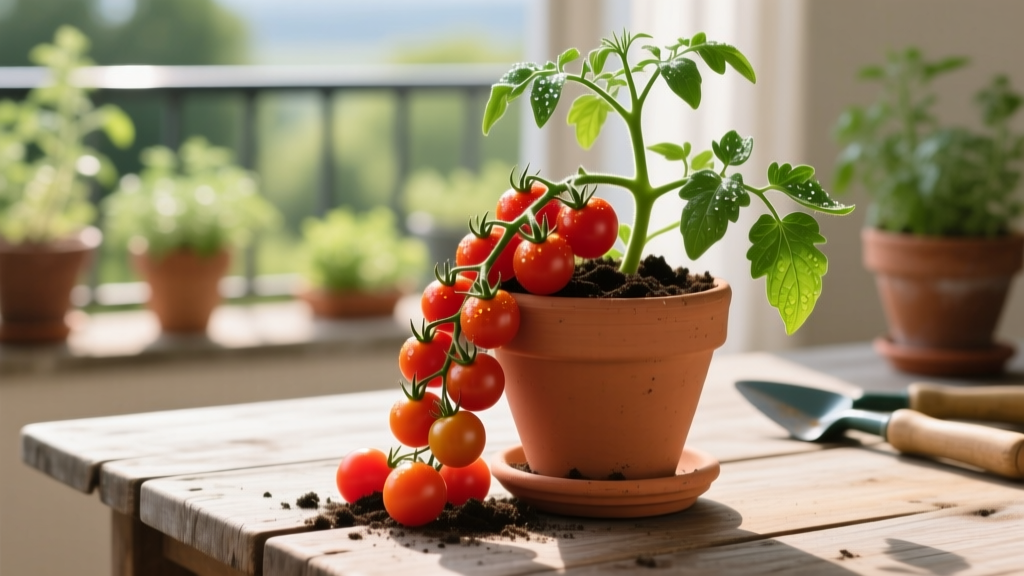
Beginner Guide To Growing Cherry Tomatoes In Containers
Mike RodriguezPublished
The Magic of Container Cherry Tomatoes
There is nothing quite like the taste of a sun-warmed cherry tomato picked straight from the vine. For beginner gardeners, cherry tomatoes are the ultimate gateway crop. They are vigorous, highly productive, and far more forgiving than their larger beefsteak cousins. When you combine the natural resilience of cherry tomatoes with the controlled environment of container gardening, you create a foolproof recipe for a bountiful summer harvest. Whether you have a sprawling backyard or a modest apartment balcony, this beginner-friendly guide will walk you through exactly how to grow cherry tomatoes in containers.
Why Choose Containers for Cherry Tomatoes?
Container gardening offers unparalleled advantages for novices. First, it grants you complete control over the soil quality, eliminating the risk of soil-borne diseases like fusarium wilt or nematode infestations that often plague in-ground tomato crops. Second, containers provide mobility. Tomatoes are heat-loving plants that require full sun; if a heatwave strikes or your patio becomes too shaded as the season progresses, you can simply move your pots to follow the light. Finally, growing in pots elevates the plants, making harvesting easier and reducing the likelihood of soil-splashing onto the leaves, which is a primary vector for fungal blights.
Choosing the Right Pot and Soil
The foundation of a successful container garden lies beneath the surface. Tomatoes have extensive, deep root systems that require ample space to thrive.
Selecting Your Container
For cherry tomatoes, you need a container that holds a minimum of 5 gallons of soil, though 10 to 15 gallons is ideal for indeterminate (vining) varieties. The pot must be at least 12 to 14 inches deep and feature multiple drainage holes at the base. Fabric grow bags (typically costing around $15 to $25 for a pack of five) are an excellent, budget-friendly choice because they promote air-pruning of the roots and prevent overwatering. Alternatively, heavy-duty plastic or glazed ceramic pots work well, provided they have adequate drainage. Avoid unglazed terracotta, as it wicks moisture away from the soil too quickly during peak summer heat.
The Ideal Soil Recipe
Never use topsoil or garden dirt in your containers. Garden soil is too dense, will compact in a pot, and restricts root growth and drainage. Instead, invest in a high-quality, well-draining potting mix. A premium product like FoxFarm Ocean Forest Potting Soil or Miracle-Gro Moisture Control Potting Mix provides the perfect balance of peat moss, perlite, and compost. To boost nutrition and drainage, you can amend a standard potting mix by adding one part perlite and one part organic compost to every three parts potting soil.
Top Cherry Tomato Varieties for Containers
Not all tomatoes are created equal. When shopping for seeds or transplants, look for varieties labeled as 'determinate' (bush types that grow to a fixed size and ripen their fruit all at once) or 'compact indeterminate' types. Here is a comparison of the best beginner-friendly cherry tomato varieties for pots:
| Variety | Growth Habit | Days to Maturity | Flavor Profile | Recommended Pot Size |
|---|---|---|---|---|
| Tiny Tim | Determinate (Dwarf) | 45-55 Days | Sweet, tangy, classic | 1-3 Gallons |
| Patio Princess | Determinate (Bush) | 60-65 Days | Rich, balanced, juicy | 5-10 Gallons |
| Sweet 100 | Indeterminate (Vining) | 65-70 Days | Exceptionally sweet | 10-15 Gallons |
| Sun Gold | Indeterminate (Vining) | 57-65 Days | Tropical, fruity, sugary | 10-15 Gallons |
Step-by-Step Planting Guide
Timing is critical when planting tomatoes. Wait until all danger of frost has passed and nighttime temperatures consistently stay above 50°F (10°C). According to The Old Farmer's Almanac, soil temperatures should ideally reach at least 60°F before transplanting.
- Prepare the Pot: Fill your container with your chosen potting mix, leaving about 2 inches of space from the rim to allow for watering.
- Prep the Transplant: If your seedling is in a plastic nursery pot, gently squeeze the sides to loosen it. Pinch off the lowest sets of leaves from the stem.
- Plant Deep: Tomatoes have the unique ability to grow roots from their buried stems. Dig a deep hole and bury the plant up to its topmost remaining set of leaves. This creates a massive, robust root system.
- Water In: Water the plant deeply immediately after planting to settle the soil and eliminate air pockets around the roots.
Watering, Sunlight, and Fertilizing
Container tomatoes dry out much faster than in-ground plants. During the heat of summer, you may need to water your pots daily, or even twice a day. The goal is to keep the soil consistently moist but not waterlogged. Stick your finger two inches into the soil; if it feels dry, it is time to water. Always water at the base of the plant to keep the foliage dry and prevent fungal diseases.
Tomatoes are heavy feeders. When you first plant them, mix a slow-release organic fertilizer like Espoma Tomato-tone (4-7-10) into the top few inches of soil. Once the plant begins to flower and set fruit, supplement with a liquid seaweed or fish emulsion fertilizer every two weeks to support the heavy energy demands of fruit production.
Pruning and Supporting Your Plants
If you are growing determinate bush varieties like Tiny Tim or Patio Princess, pruning is generally unnecessary, and a simple wire tomato cage will provide sufficient support. However, if you chose an indeterminate variety like Sun Gold, you must provide a sturdy stake or a heavy-duty trellis. As the plant grows, gently tie the main stem to the stake using soft garden twine. Pinch off the 'suckers' (the small shoots that grow in the V-joints between the main stem and the branches) to direct the plant's energy into producing fruit rather than excessive foliage.
Troubleshooting Common Issues
Even with the best care, beginners may encounter a few common tomato troubles:
- Blossom End Rot: This appears as a dark, sunken leathery spot on the bottom of the fruit. It is caused by a calcium deficiency, usually triggered by inconsistent watering. Maintain a strict watering schedule and apply a calcium-magnesium supplement if necessary.
- Fruit Cracking: Cherry tomatoes are prone to splitting when they experience a sudden influx of water after a dry spell. Consistent moisture levels and mulching the top of your container with an inch of straw can prevent this.
- Aphids and Hornworms: Inspect your plants weekly. Blast aphids off with a strong stream of water or use insecticidal soap. Hand-pick any large green hornworms you find.
For comprehensive regional advice on pest management and soil health, the Penn State Extension offers excellent, science-backed resources for home gardeners dealing with local climate challenges.
Harvesting Your Bounty
The best part of growing cherry tomatoes is the harvest. Pick the fruits when they are fully colored and yield slightly to a gentle squeeze. For the sweetest flavor, allow them to ripen completely on the vine. Harvest regularly to encourage the plant to continue producing right up until the first autumn frost. With the right pot, premium soil, and consistent care, your container cherry tomatoes will provide a delicious, continuous harvest all summer long.
