Gardening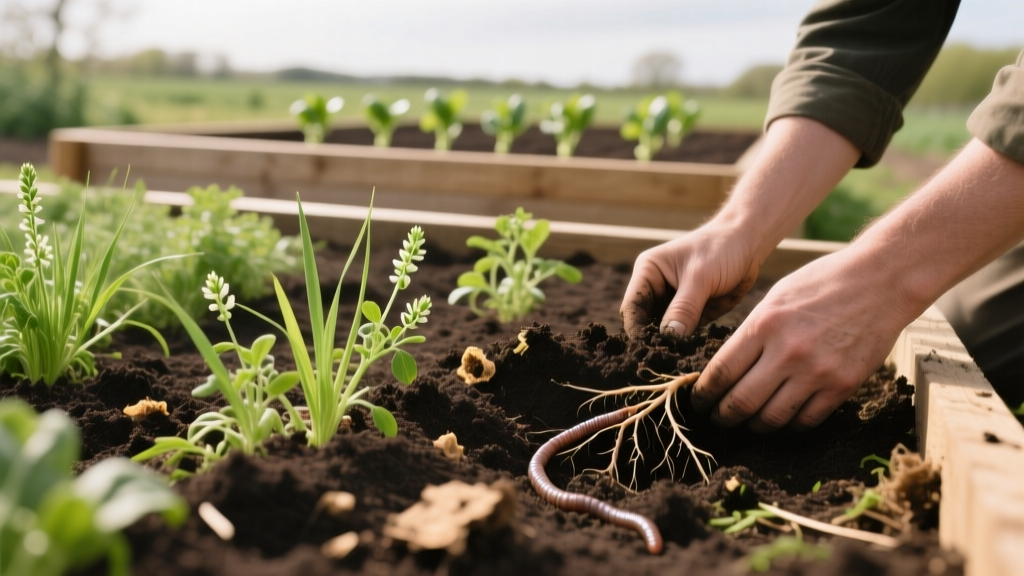
No-Till Vegetable Gardening: Sustainable Soil Prep Guide
Anna KowalskiPublished
The Paradigm Shift in Eco-Friendly Soil Preparation
For generations, home gardeners and commercial farmers alike have relied on the rototiller as the ultimate symbol of soil preparation. The image of freshly turned, dark, and fluffy earth has long been romanticized as the ideal starting point for a productive vegetable garden. However, modern soil science and sustainable agriculture research have revealed a startling truth: excessive tilling is one of the most destructive practices we can inflict on our garden ecosystems. As the gardening community shifts toward eco-friendly and sustainable methods, no-till vegetable gardening has emerged as a premier strategy for building resilient, nutrient-dense, and biologically active soil without the environmental costs associated with mechanical disturbance.
No-till gardening is not merely a technique; it is a holistic approach to soil stewardship. By mimicking the natural processes found in undisturbed forest floors and native prairies, gardeners can cultivate thriving vegetable beds that require less water, fewer fertilizers, and significantly less manual labor over time. This comprehensive guide will walk you through the environmental impacts of traditional tilling, the core principles of no-till gardening, and actionable, step-by-step methods to transition your garden into a sustainable, closed-loop ecosystem.
The Hidden Environmental Cost of Traditional Tilling
While turning the soil might look like a productive weekend chore, the rototiller acts as a blunt instrument that wreaks havoc on the complex subterranean food web. Healthy soil is teeming with microscopic life, including bacteria, protozoa, nematodes, and vast networks of mycorrhizal fungi. These fungi act as natural extensions of plant root systems, trading soil minerals and water for plant sugars. When you till the soil, you physically slice and dice these delicate fungal networks, setting your plants back weeks as they wait for the biological infrastructure to rebuild.
Furthermore, tilling accelerates the decomposition of organic matter by suddenly exposing buried carbon to oxygen. This rapid oxidation releases stored carbon dioxide into the atmosphere, contributing to greenhouse gas emissions. According to the Rodale Institute, organic no-till systems can sequester significant amounts of carbon in the soil, effectively turning your vegetable garden into a localized carbon sink rather than a carbon source. Tilling also destroys soil aggregates, leaving the earth vulnerable to severe erosion from wind and rain, and creating a hardpan layer just beneath the tiller's reach that restricts deep root growth and water infiltration.
Core Principles of Sustainable No-Till Gardening
Transitioning to a no-till system requires a shift in mindset from conquering the soil to collaborating with it. The methodology is built upon three foundational pillars:
- Minimize Soil Disturbance: Avoid digging, turning, or rototilling. Let earthworms and root channels do the aerating for you.
- Keep the Soil Covered: Bare soil is an invitation for weed seeds to germinate and for moisture to evaporate. Utilize organic mulches, compost, and cover crops to protect the soil surface year-round.
- Maintain Living Roots: Living roots exude sugars that feed soil microbes. By using cover crops during the off-season, you ensure the soil food web remains active and vibrant even when cash crops are not growing.
Step-by-Step Guide to Transitioning Your Garden Beds
Converting an existing lawn or weedy patch into a no-till vegetable garden is highly achievable using a method known as sheet mulching or lasagna gardening. This eco-friendly approach suppresses weeds while simultaneously building topsoil.
Step 1: Smother and Sheet Mulch
Begin by mowing the existing vegetation as short as possible. Leave the clippings in place to decompose. Next, lay down overlapping sheets of plain, uncoated brown cardboard directly over the area. Ensure the edges overlap by at least 6 inches to prevent aggressive weeds like bindweed or bermudagrass from finding a gap. Wet the cardboard thoroughly to initiate the breakdown process and attract earthworms to the surface. This cardboard layer will smother the grass and weeds beneath it within 4 to 8 weeks, eventually decomposing into valuable organic matter.
Step 2: Aerate Without Inverting (If Necessary)
If your native soil is severely compacted or heavy in clay, you may need to aerate before adding your top layers. Instead of a tiller, use a broadfork. A broadfork features long, sturdy tines (typically 12 inches long) that you plunge into the soil and gently pull back to crack the earth open. This creates channels for air, water, and roots without inverting the soil layers or destroying the microbial strata. A high-quality steel broadfork costs between $150 and $250 and is a lifetime investment for the sustainable gardener.
Step 3: Top-Dress and Plant
Once the cardboard is laid (and broadforked if needed), apply a generous 3-to-4-inch layer of finished, high-quality compost directly on top. This compost layer will serve as your planting medium for the first season. For pathways between beds, apply a 3-inch layer of arborist wood chips to suppress weeds and retain moisture. You can immediately plant vegetable transplants directly into the compost layer. For direct seeding, simply pull back a small line of compost, sow the seed into the decomposing layer beneath, and gently cover it back up.
Integrating Cover Crops for Closed-Loop Fertility
To maintain soil health without relying on synthetic fertilizers, no-till gardeners utilize cover crops. Often referred to as green manure, cover crops are planted not for harvest, but to benefit the soil. They prevent erosion, scavenge leftover nutrients, and, in the case of legumes, fix atmospheric nitrogen into the soil. The Sustainable Agriculture Research and Education (SARE) program highlights that consistent use of cover crops can reduce the need for external fertilizer inputs by up to 50 percent over a multi-year cycle.
Terminating cover crops in a no-till system is done without digging them in. Instead, gardeners use a weed whacker, a scythe, or a specialized roller-crimper to knock the crop down, leaving it on the surface as a nutrient-rich mulch. Below is a comparison chart of popular cover crops suited for eco-friendly vegetable gardens.
| Cover Crop | Planting Season | Primary Benefit | Seed Rate (per 1,000 sq ft) | Termination Method |
|---|---|---|---|---|
| Winter Rye | Late Fall | Massive Biomass & Weed Suppression | 2.0 - 3.0 lbs | Crimping / Cutting at flowering |
| Crimson Clover | Early Fall | Nitrogen Fixation & Pollinator Forage | 0.5 - 1.0 lbs | Mowing / Winter Kill in cold zones |
| Buckwheat | Summer | Phosphorus Scavenging & Quick Canopy | 2.0 - 3.0 lbs | Mowing before seed set (approx. 35 days) |
| Daikon Radish | Late Summer | Soil Aeration (Bio-drilling deep taproots) | 0.5 lbs | Winter Kill (rots in place to feed soil) |
Sustainable Weed and Moisture Management
Weed management in a no-till garden relies on prevention and smothering rather than cultivation. Because weed seeds are not brought to the surface and exposed to sunlight via tilling, the overall weed seed bank in the soil diminishes significantly over time. The USDA Natural Resources Conservation Service recommends maintaining a continuous organic mulch layer to regulate soil temperature and conserve moisture.
For persistent weed pressure, eco-friendly gardeners are increasingly turning to silage tarps (heavy, UV-treated black plastic). Laid over a bed for 3 to 4 weeks during the heat of summer, the tarp creates a dark, humid environment that germinates weed seeds and then kills the seedlings, a process known as occultation. While the use of plastic is a point of debate in sustainable circles, a single heavy-duty tarp reused over a decade is vastly more ecologically sound than the repeated diesel or gasoline emissions required to run a rototiller, and it preserves the soil structure perfectly.
Moisture retention is another massive benefit of the no-till method. The undisturbed fungal networks and the constant presence of surface mulch act like a sponge. During periods of drought, no-till beds retain soil moisture far longer than tilled beds, reducing the need for municipal irrigation and lowering your water bill. This drought resilience is becoming increasingly critical as climate change leads to more erratic precipitation patterns.
Long-Term Ecological and Economic Benefits
The transition to no-till vegetable gardening requires patience. In the first year, you may still encounter some weed pressure as the existing seed bank exhausts itself. However, by year three, the ecological and economic benefits become undeniable. Your soil will transform into a dark, crumbly, loamy texture that smells rich and earthy. Earthworm populations will explode, naturally incorporating organic matter from the surface down into the subsoil.
Financially, the savings compound annually. You will spend less money on bagged fertilizers, less on water, and significantly less time weeding and operating machinery. More importantly, you are actively participating in regenerative agriculture. By sequestering carbon, preventing topsoil erosion, and protecting local watersheds from fertilizer runoff, your backyard vegetable garden becomes a powerful tool for environmental conservation.
Conclusion
Embracing no-till vegetable gardening and cover cropping is one of the most impactful eco-friendly decisions a home gardener can make. By laying down the rototiller and picking up a broadfork, cardboard, and compost, you align your gardening practices with the wisdom of natural ecosystems. The result is a vibrant, resilient, and highly productive garden that nourishes both your family and the planet for generations to come.
