Gardening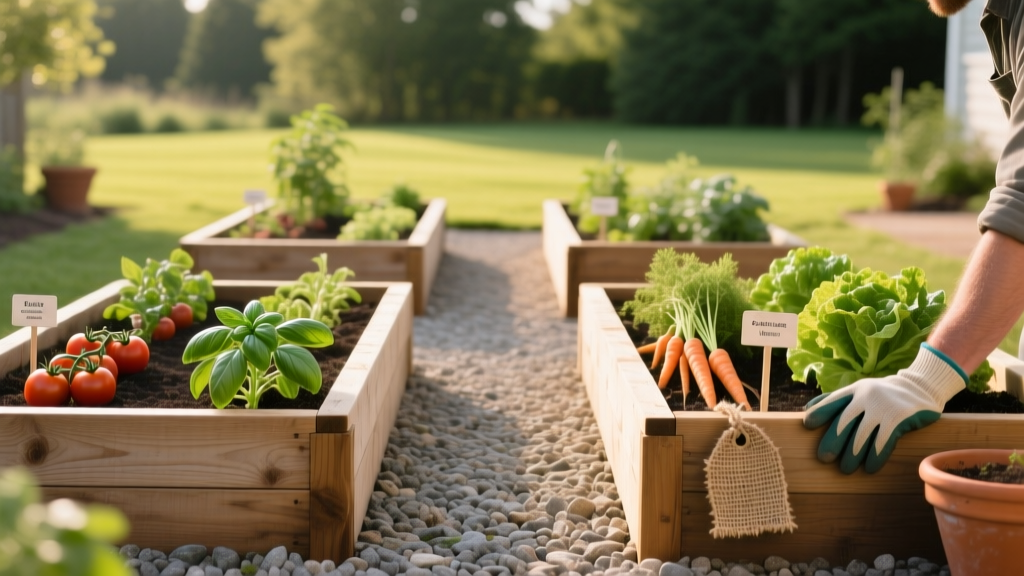
Designing a Raised Bed Kitchen Garden: Layouts & Plans
Lisa ThompsonPublished
The Appeal of the Raised Bed Kitchen Garden
A well-designed kitchen garden is the ultimate intersection of form and function. Unlike traditional row cropping, which often prioritizes agricultural efficiency over aesthetics, a kitchen garden—historically known as a potager—is meant to be viewed, enjoyed, and harvested daily. By elevating your planting space into raised beds, you immediately solve a multitude of common gardening woes. According to the University of Minnesota Extension, raised beds offer superior drainage, warmer soil temperatures in the spring, and a significant reduction in weed pressure. Furthermore, designing these beds with intentionality allows you to transform a utilitarian vegetable patch into a stunning landscape feature that boosts your property value while supplying your family with fresh, organic produce. Planning a raised bed kitchen garden requires careful consideration of spatial geometry, material longevity, soil ecology, and human ergonomics. In this comprehensive design guide, we will break down the exact measurements, layout strategies, and material costs required to bring your dream kitchen garden to life.
Optimal Dimensions and Spatial Geometry
The foundation of any successful garden design lies in its dimensions. If a bed is too wide, you will struggle to reach the center for planting, weeding, and harvesting without compacting the soil.
Width and Length Guidelines
The golden rule for raised bed width is four feet (48 inches) if you have access from both sides. This ensures that the maximum distance you need to reach is two feet, which is comfortable for the average adult. If your design places a bed against a fence or wall, restrict the width to two feet. Length is more flexible, but keeping beds between eight and twelve feet long prevents structural bowing in the middle and makes it easier to navigate around them.
Depth and Soil Volume
Most culinary herbs and leafy greens require only six to eight inches of soil depth. However, root vegetables like carrots, parsnips, and tomatoes thrive in deeper soil. A depth of twelve to eighteen inches is highly recommended for a versatile kitchen garden. To calculate the soil volume required, use the formula: Length (ft) x Width (ft) x Depth (ft) = Cubic Feet. For a standard 4x8 bed that is 1 foot deep, you will need 32 cubic feet of soil. Always add a ten percent buffer to account for initial settling and compaction after the first heavy watering.
Strategic Layouts and Pathway Planning
How you arrange your beds dictates the flow of your garden and the ease of maintenance. The Royal Horticultural Society (RHS) emphasizes that a kitchen garden should be both highly productive and visually structured.
Popular Layout Configurations
- The Grid Layout: Symmetrical and formal, this layout features parallel beds separated by uniform pathways. It is ideal for flat, rectangular spaces and creates a classic potager aesthetic.
- The U-Shape Layout: Perfect for smaller yards, a U-shaped bed built against a boundary fence maximizes growing space while allowing the gardener to stand in the center and reach all planting areas.
- The Keyhole Garden: Originating from permaculture design, this circular bed features a notch cut into one side, allowing the gardener to stand in the center and access a massive growing area without stepping on the soil.
Pathway Dimensions and Materials
Pathways must be wide enough to accommodate a wheelbarrow or garden cart. A minimum width of 24 inches is required for walking, but 36 inches is recommended for main thoroughfares. For materials, consider decomposed granite for a permeable, formal look, or use arborist wood chips to suppress weeds and eventually break down to feed the surrounding soil. Avoid solid concrete or impermeable pavers, as they disrupt natural water drainage and increase runoff.
Material Selection and Cost Breakdown
Choosing the right material for your raised bed borders impacts the garden's aesthetic, lifespan, and budget. Below is a comparison of the most popular materials used in modern kitchen garden design.
| Material | Estimated Lifespan | Cost per 4x8 Bed | Design Aesthetic |
|---|---|---|---|
| Untreated Cedar | 10-15 Years | $150 - $250 | Classic, natural, rustic |
| Composite Wood | 25+ Years | $300 - $450 | Modern, uniform, clean |
| Galvanized Steel | 20-30 Years | $120 - $200 | Industrial, contemporary |
| Corrugated Metal | 15-20 Years | $80 - $150 | Farmhouse, eclectic |
When using wood, avoid pressure-treated lumber manufactured before 2004, as it may contain chromated copper arsenate (CCA). Modern pressure-treated wood uses safer copper-based compounds, but many organic gardeners still prefer naturally rot-resistant cedar or redwood. If using galvanized steel, ensure you line the interior with a food-safe landscaping fabric to prevent the soil from heating up excessively during peak summer months, which can stress plant roots.
Soil Preparation and Filling Strategies
The soil is the engine of your kitchen garden. Filling a raised bed entirely with bagged potting mix is prohibitively expensive and often lacks the long-term microbial diversity required for heavy-feeding vegetables.
The Hugelkultur Base Method
To save money and improve moisture retention, utilize the hugelkultur method for the bottom third of your deep raised beds. Fill the base with decaying logs, thick branches, and twigs. As this woody material decomposes, it acts like a sponge, holding water and slowly releasing nutrients upward into the root zone.
The Ideal Topsoil Blend
For the top two-thirds of the bed, create a custom blend. A highly regarded recipe, often referenced by the RHS for raised bed cultivation, involves mixing equal parts of high-quality topsoil, coarse compost, and aeration materials like perlite or pumice. Alternatively, you can order a bulk 'raised bed mix' from a local landscape supply yard, which is significantly cheaper than buying bags. Ensure the compost is fully broken down and screened; immature compost will tie up nitrogen and stunt your initial plantings.
Designing for Accessibility and Ergonomics
A thoughtfully designed kitchen garden must accommodate the physical capabilities of its users. For gardeners with mobility issues, back pain, or those who use wheelchairs, standard ground-level raised beds may still require uncomfortable bending.
To address this, consider designing elevated beds that stand 28 to 34 inches tall. This height allows a gardener to tend to the plants while seated or standing upright without bending at the waist. You can achieve this by building the beds on sturdy legs or stacking retaining wall blocks. Additionally, incorporating a two-inch lip or capstone around the top edge of the bed provides a comfortable resting place for knees and hands, and adds a polished, architectural finish to the design.
Integrating Companion Planting into the Layout
Once the physical structure is complete, the internal design of the planting space begins. Square foot gardening is an excellent planning methodology for kitchen gardens. By dividing your raised beds into a grid of one-foot squares, you can precisely plan companion planting pairings. For example, plant a central tomato cage in one square, surrounded by basil to repel pests, and edge the bed with alyssum to attract beneficial predatory insects. Planning your layout on graph paper before purchasing seeds ensures optimal spacing, maximizes your harvest per square foot, and creates a visually striking tapestry of colors and textures.
Conclusion
Designing a raised bed kitchen garden is a rewarding investment in your home, your health, and your landscape. By adhering to proper dimensions, selecting durable materials, and engineering a nutrient-rich soil profile, you create a resilient ecosystem that will yield bountiful harvests for decades. Take the time to draft your layout, measure your space, and source quality materials, and your kitchen garden will become the crown jewel of your outdoor living space.
