Gardening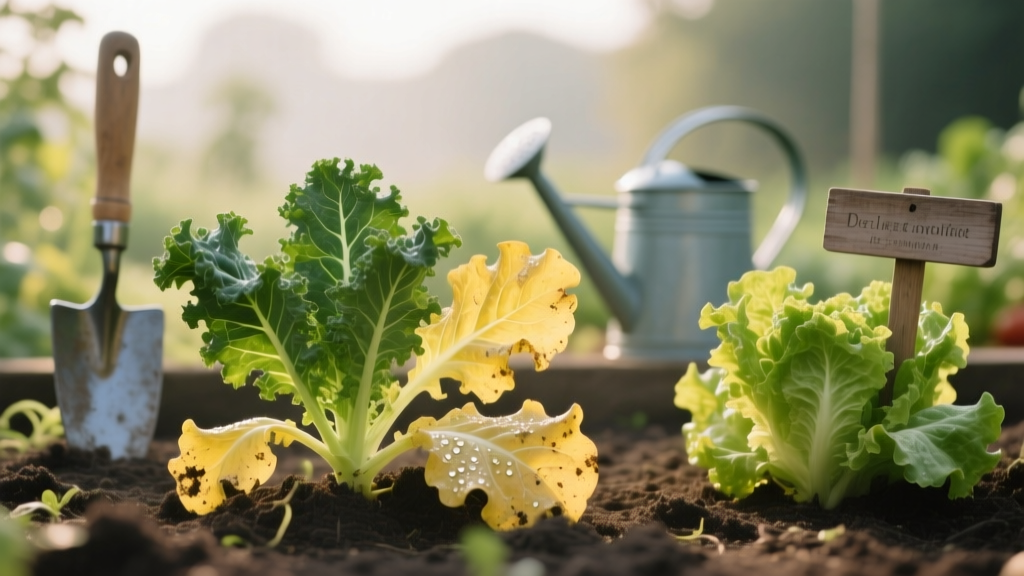
Troubleshooting Yellowing Leaves on Vegetable Plants
Robert HayesPublished
Understanding Chlorosis in the Vegetable Garden
When you walk out to your vegetable garden and notice that your once-vibrant tomato, pepper, or squash plants have developed pale, yellowing leaves, it is easy to panic. In botanical terms, this yellowing is known as chlorosis, and it occurs when plants fail to produce sufficient chlorophyll, the pigment responsible for photosynthesis and the plant's green color. Without adequate chlorophyll, your vegetable plants cannot convert sunlight into energy, leading to stunted growth, poor fruit production, and eventually, plant death if left untreated.
However, yellow leaves are a symptom, not a specific disease. Think of chlorosis as your plant's way of waving a white flag and asking for help. The underlying causes can range from simple watering mistakes to complex soil chemistry imbalances. According to the University of Massachusetts Amherst Extension, accurately diagnosing the specific pattern of yellowing is the most critical step in restoring your garden's health. This comprehensive guide will walk you through the most common culprits behind yellowing leaves, provide a diagnostic chart, and offer a step-by-step troubleshooting plan featuring specific products, measurements, and costs to get your vegetable garden back on track.
The Four Main Culprits Behind Yellow Leaves
1. Watering Issues: Too Much or Too Little
Water is the transport system for nutrients in your garden. Both overwatering and underwatering can cause chlorosis, but they do so in different ways. Overwatering saturates the soil, driving out oxygen and creating a hypoxic environment. Without oxygen, roots suffocate and rot, making them incapable of absorbing nutrients, even if the soil is rich in fertilizer. The Penn State Extension recommends that most vegetable gardens receive about 1 to 1.5 inches of water per week, including rainfall. Conversely, underwatering causes the plant to close its stomata to conserve moisture, halting photosynthesis and causing leaves to yellow, crisp, and drop.
2. Nutrient Deficiencies
Vegetables are heavy feeders. If your soil lacks essential macro or micronutrients, the plant will rob older leaves to support new growth, or fail to develop new growth entirely. The visual pattern of the yellowing tells you exactly which nutrient is missing. Mobile nutrients (like Nitrogen and Magnesium) can be moved around the plant, so deficiencies show up on older, lower leaves first. Immobile nutrients (like Iron and Calcium) cannot be relocated, so deficiencies manifest on the newest growth at the top of the plant.
3. Soil pH Imbalances
You can have the most nutrient-dense soil in the world, but if your pH is off, your plants will starve. Soil pH dictates nutrient availability. Most vegetable crops thrive in a slightly acidic to neutral pH range of 6.0 to 6.8. If your soil is too alkaline (pH above 7.0), essential micronutrients like iron, manganese, and zinc become chemically locked up and unavailable to plant roots. If the soil is too acidic (pH below 5.5), macronutrients like phosphorus and calcium become inaccessible, and toxic levels of aluminum can damage the roots.
4. Pests and Diseases
Sap-sucking insects like spider mites, aphids, and whiteflies pierce the plant tissue and drain the chlorophyll-rich sap, leaving behind a yellow, stippled, or mottled appearance. Fungal and bacterial diseases, such as early blight or verticillium wilt, also cause localized yellowing, often accompanied by brown spots, wilting, or a distinct target-like pattern on the foliage.
Diagnostic Chart: Identifying the Culprit
Use this structured diagnostic table to match the visual symptoms on your vegetable plants to their most likely causes and immediate quick fixes.
| Symptom Pattern | Likely Cause | Quick Fix |
|---|---|---|
| Uniform yellowing on older, lower leaves | Nitrogen Deficiency | Apply blood meal or liquid fish emulsion |
| Yellowing between veins on new growth | Iron Deficiency (or high pH) | Foliar spray with chelated iron; test soil pH |
| Yellowing between veins on older leaves | Magnesium Deficiency | Apply Epsom salts (magnesium sulfate) |
| Yellowing leaf margins and tips | Potassium Deficiency | Apply kelp meal or greensand |
| Overall pale yellow leaves with wilting | Overwatering / Poor Drainage | Reduce watering; amend soil with compost |
| Yellow stippling or mottling on leaves | Sap-sucking pests (Spider mites) | Apply insecticidal soap or neem oil |
Step-by-Step Troubleshooting Action Plan
Once you have an idea of what might be causing the chlorosis, follow this actionable, four-step protocol to diagnose and treat the issue accurately.
Step 1: Check Soil Moisture and Drainage
Before adding any fertilizers, verify your watering habits. Purchase a basic 3-in-1 soil moisture meter (such as the Atree Soil pH Meter, which costs around $10 to $15). Insert the probe 4 to 6 inches deep into the root zone near the base of the plant. A reading of 1-3 indicates dry soil (water immediately), 4-7 indicates ideal moisture, and 8-10 indicates waterlogged soil. If the soil is waterlogged, cease watering immediately and gently scratch the top inch of soil with a hand cultivator to improve aeration. For container gardens, ensure drainage holes are not blocked by compacted soil or roots.
Step 2: Conduct a Comprehensive Soil Test
If moisture levels are optimal, your next step is to test the soil. While professional lab tests are highly accurate, a reliable home kit like the Luster Leaf Rapitest Soil Test Kit (costing approximately $15 to $25) can give you immediate readings for Nitrogen (N), Phosphorus (P), Potassium (K), and pH. Collect soil samples from 6 inches deep around the root zone of the affected plants, mix them in a clean bucket, and follow the kit's colorimetric instructions. If your pH reads above 7.2, you have likely identified the root cause of your micronutrient deficiencies.
Step 3: Apply Targeted Nutrient Amendments
Based on your visual diagnosis and soil test results, apply the appropriate amendment. Always follow the package instructions, but here are standard garden measurements:
- For Nitrogen Deficiency: Apply Espoma Organic Blood Meal (approx. $15 for a 3 lb bag). Broadcast 1 cup per 20 square feet of garden bed and water it in deeply. Expect to see greening within 7 to 10 days.
- For Magnesium Deficiency: Dissolve 1 tablespoon of standard Epsom Salts (Magnesium Sulfate, approx. $5 for a 4 lb bag) per gallon of water. Apply as a foliar spray in the early morning or late evening to avoid leaf burn. Repeat every two weeks until symptoms resolve.
- For Iron Deficiency: If your pH is high, soil-applied iron will not work. Instead, use a foliar spray like Southern Ag Chelated Liquid Iron (approx. $12 per bottle). Mix 1 to 2 tablespoons per gallon of water and spray directly on the leaves. The chelation ensures the iron is absorbed directly through the leaf tissue, bypassing the soil chemistry issues.
Step 4: Correct Soil pH for Long-Term Health
If your soil test reveals a pH imbalance, you must correct it to prevent future chlorosis. To lower pH in alkaline soils, apply Espoma Organic Soil Acidifier (elemental sulfur) at a rate of 1 cup per 10 square feet. To raise pH in acidic soils, apply Espoma Organic Garden Lime at a rate of 5 lbs per 100 square feet. Note that pH adjustments take time; sulfur and lime can take 3 to 6 months to fully react in the soil, which is why foliar feeding (Step 3) is necessary for immediate plant rescue.
Preventative Measures for Future Seasons
The best way to troubleshoot yellow leaves is to prevent them from happening in the first place. Incorporate the following practices into your seasonal gardening routine:
- Annual Compost Applications: Top-dress your raised beds and in-ground gardens with 2 to 3 inches of high-quality organic compost every spring. Compost acts as a slow-release fertilizer and a pH buffer, keeping nutrients available and soil structure loose for optimal drainage.
- Crop Rotation: Avoid planting heavy feeders like tomatoes, peppers, and brassicas in the same bed year after year. Rotate them with nitrogen-fixing legumes (like peas and beans) to naturally replenish soil fertility and break the life cycles of soil-borne diseases that cause wilting and yellowing.
- Mulching: Apply a 2-inch layer of organic mulch, such as straw or shredded leaves, around the base of your plants. Mulch regulates soil temperature, retains consistent moisture levels, and prevents the soil splashing onto lower leaves, which can transmit fungal pathogens that lead to localized chlorosis.
Conclusion
Yellowing leaves in the vegetable garden are a distress signal, but they are rarely a death sentence if caught early. By systematically checking your soil moisture, utilizing a diagnostic chart to read the visual patterns of chlorosis, and applying targeted, cost-effective amendments, you can restore your plants to vibrant health. Remember that gardening is an ongoing dialogue with your soil; regular testing and observation will ensure your vegetable garden remains lush, green, and highly productive season after season.
