Pest Control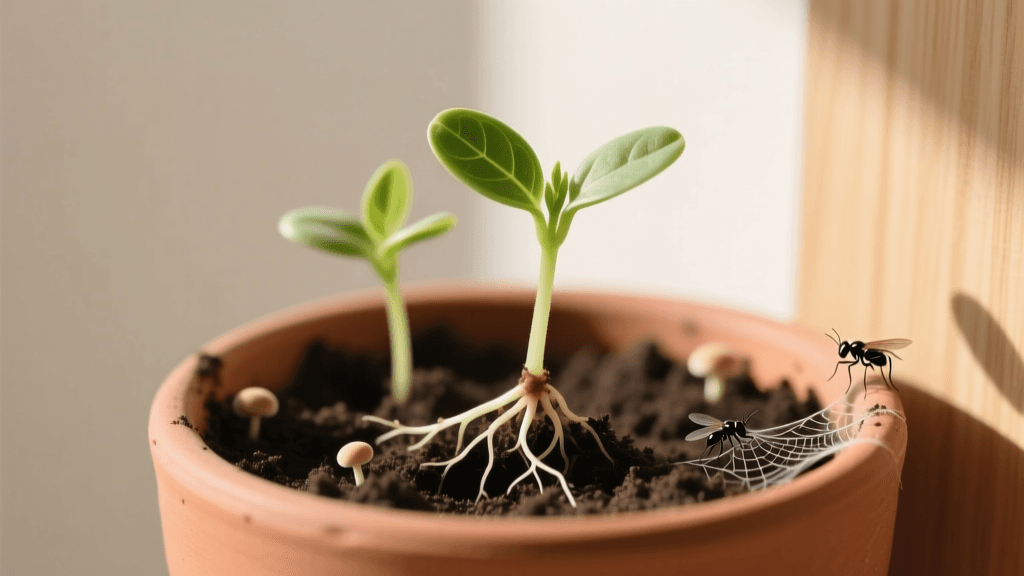
Beginner Guide To Controlling Fungus Gnats In Seedlings
Starting Seeds Without the Swarm
Starting seeds indoors is one of the most rewarding milestones for beginner gardeners. However, nothing ruins the excitement of watching your first tomato or pepper sprouts emerge quite like a swarm of tiny black flies erupting from your seed trays. These are fungus gnats, and while they may look like harmless fruit flies, they pose a significant threat to your vulnerable young plants. This beginner-friendly growing guide will walk you through the essentials of Integrated Pest Management (IPM) to help you identify, treat, and prevent fungus gnats without resorting to harsh, synthetic chemicals that could damage your tender seedlings.
Understanding the Enemy: The Fungus Gnat Life Cycle
To effectively control any garden pest, you must first understand its life cycle. Fungus gnats (Bradysia species) undergo four distinct stages: egg, larva, pupa, and adult. The entire cycle from egg to reproducing adult takes roughly three to four weeks, depending on the ambient temperature of your growing space.
- Eggs: Adult females lay up to 200 tiny, translucent eggs in the top inch of moist, organic-rich potting soil.
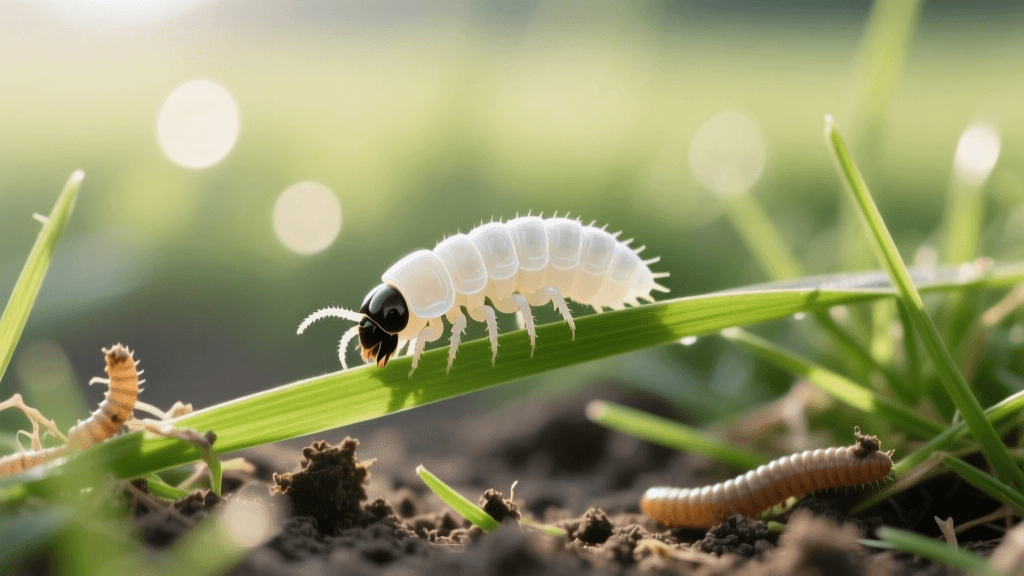
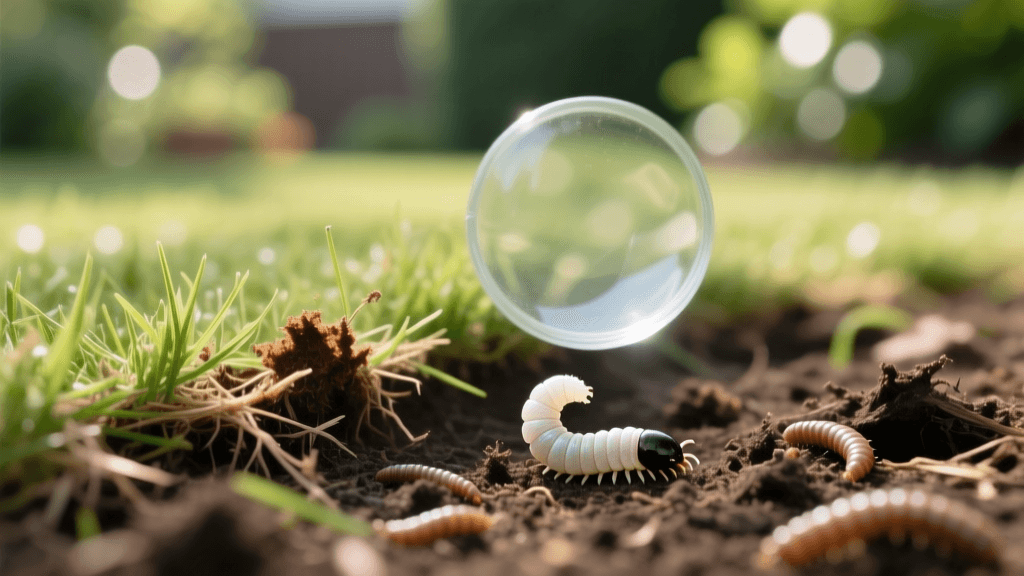
- Larvae: After hatching within six days, the legless, translucent-white larvae with black head capsules begin feeding. This is the most destructive stage.
- Pupae: After two weeks of feeding, they pupate in the soil for three to four days.
- Adults: The tiny, dark-winged adults emerge, mate, and immediately seek out moist soil to lay the next generation of eggs. Adults live for only about one week.
Why Seedlings Are Especially Vulnerable
Mature houseplants or established garden transplants can usually tolerate a minor fungus gnat infestation. Seedlings, however, have very delicate, underdeveloped root systems. The larval stage of the fungus gnat feeds primarily on fungi and decaying organic matter in the soil, but when populations spike, they turn to the tender root hairs and basal stems of young seedlings. This root damage stunts growth, causes wilting, and opens the door to fatal soil-borne pathogens like Pythium, which causes the dreaded 'damping-off' disease.
Identification: Fungus Gnats vs. Fruit Flies
Beginners often confuse fungus gnats with fruit flies. Fruit flies are attracted to fermenting fruit and vinegar, are slightly larger, and often have red eyes. Fungus gnats are attracted to moisture and damp soil, are smaller, resemble tiny mosquitoes, and are usually found hovering directly over your seed trays or resting on the soil surface and lower leaves.
The Beginner's IPM Action Plan
Integrated Pest Management (IPM) relies on a tiered approach, starting with the least toxic methods. Here is your step-by-step guide to reclaiming your seedling trays.
Step 1: Cultural Controls (Moisture Management)
Fungus gnats require consistently moist soil to reproduce. The single most effective cultural control is to alter your watering habits. Allow the top one to two inches of your seed starting mix to dry out completely between waterings. For seedlings that require constant moisture, switch to bottom-watering. Place your seed trays (which must have drainage holes) into a solid bottom tray filled with a half-inch of water. The soil will wick the moisture up from the bottom, leaving the top layer dry and inhospitable to gnat eggs.
Step 2: Biological Controls (BTI and Nematodes)
When cultural controls are not enough to break the life cycle, biological controls are your best organic weapon.
BTI (Bacillus thuringiensis israelensis): This naturally occurring soil bacterium is lethal to gnat larvae but completely safe for plants, pets, and humans. The most popular product for beginners is Mosquito Bits. To use it effectively on seedlings, make a 'BTI Tea'. Steep 1/4 cup of Mosquito Bits in 2 gallons of room-temperature water for 24 hours. Strain the liquid and use it to water your seedlings. The BTI will coat the soil and kill larvae on contact. A 30oz jar costs roughly $18 and will last multiple growing seasons.
Beneficial Nematodes (Steinernema feltiae): These microscopic worms hunt down and destroy gnat larvae in the soil. You can order them online and mix them into your watering can. They require soil temperatures above 60°F to remain active. A package of 5 million nematodes costs around $15 and treats up to 1,500 square feet of soil space.
Step 3: Mechanical Controls (Trapping Adults)
While BTI kills the larvae, you must stop the adults from laying new eggs. Yellow sticky traps are highly effective because adult gnats are visually attracted to the color yellow. Cut standard 3x5 inch sticky cards into smaller squares and insert them into the soil of every seed tray using toothpicks. Replace them every two weeks or when covered in insects. A pack of 50 traps costs about $6.
Treatment Comparison Chart
| Treatment Method | Product Example | Target Life Stage | Estimated Cost | Application Frequency |
|---|---|---|---|---|
| Bottom Watering | Wicking Mats / Trays | Eggs / Larvae | $10 - $25 | Continuous |
| BTI Drench | Mosquito Bits (Tea) | Larvae | $18 (30oz) | Every 7-14 days |
| Beneficial Nematodes | Steinernema feltiae | Larvae / Pupae | $15 (5 Million) | Every 3-4 weeks |
| Yellow Sticky Traps | Garden Safe Traps | Adults | $6 (50 Pack) | Replace every 14 days |
| Horticultural Sand | Coarse Silica Sand | Egg Laying Deterrent | $8 (5lb Bag) | One-time application |
Expert Insight on Fungus Gnat Damage
Understanding the threshold of damage is crucial for beginner growers. You do not need to eradicate every single insect, but you must protect the vulnerable root zone.
'Fungus gnats are primarily a nuisance pest indoors, but their larvae can cause severe damage to seedlings and young transplants by feeding on root hairs and spreading fungal diseases like Pythium. Managing soil moisture is the cornerstone of any successful IPM strategy against them.'
— University of California Agriculture and Natural Resources (UC ANR) Pest Notes
Preventing Future Outbreaks in Your Growing Space
Prevention is always cheaper and easier than treatment. Before you even plant your first seed of the season, take these proactive steps:
- Inspect New Bagged Soil: Fungus gnat eggs are sometimes present in commercially bagged potting mixes that have been stored outdoors or in damp warehouses. Before using, inspect the soil. If you see gnats flying out when you open the bag, consider pasteurizing the soil by baking it in an oven at 180°F for 30 minutes, or store it in an airtight, sealed container.
- Use a Sand Topping: After sowing your seeds and giving them their initial watering, apply a 1/4-inch layer of coarse horticultural sand or fine aquarium gravel to the soil surface. This creates a dry, abrasive physical barrier that adult females cannot penetrate to lay their eggs, and it prevents larvae from emerging.
- Maintain Airflow: Stagnant, humid air is a breeding ground for both gnats and fungal diseases. Place a small oscillating fan near your seed trays on a low setting. The gentle breeze will dry the soil surface faster and make it difficult for weak-flying adult gnats to navigate and land.
- Quarantine New Plants: If you are bringing new houseplants into your growing area, keep them isolated for at least two weeks to ensure they are not harboring a hidden gnat population that could migrate to your seedlings.
Conclusion
Fungus gnats are a rite of passage for almost every beginner gardener. By shifting your perspective from simply 'spraying a bug' to managing the soil environment through Integrated Pest Management, you will not only save your current crop of seedlings but also build foundational skills for a lifetime of successful, organic gardening. Stick to your BTI tea schedule, embrace bottom-watering, and watch your seedlings thrive pest-free.