
Landscaping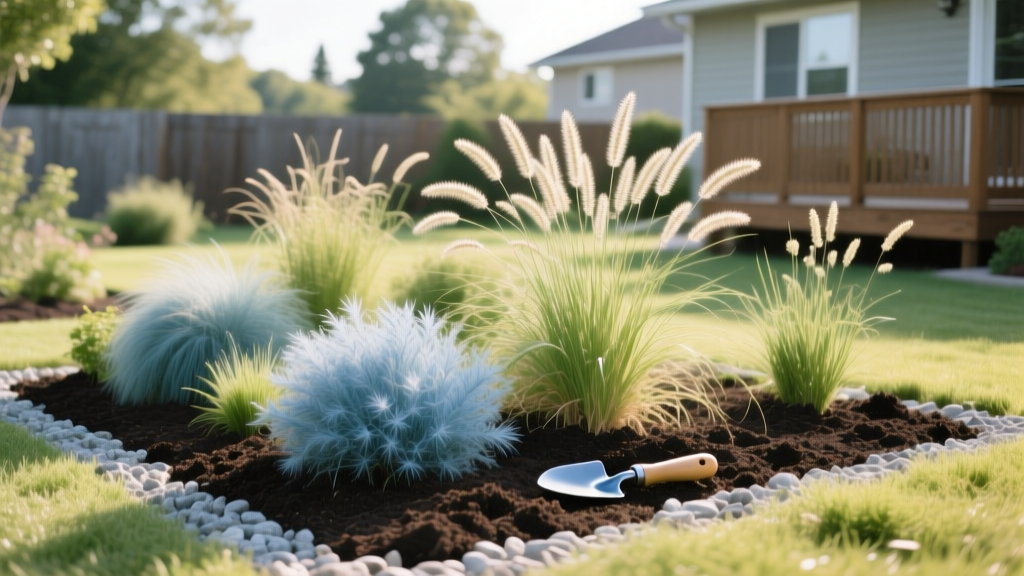
Beginner Guide to Growing Ornamental Landscape Grasses
Anna KowalskiPublished
Introduction to Ornamental Grasses in Landscape Design
Welcome to the rewarding world of ornamental grasses. If you are a beginner looking to elevate your landscape design without committing to high-maintenance gardening routines, ornamental grasses are the perfect solution. Unlike traditional turfgrass that requires weekly mowing, edging, and heavy fertilization, ornamental landscape grasses are largely self-sufficient. They introduce dynamic movement, soothing acoustic textures, and architectural structure to garden beds, borders, and outdoor living spaces.
This comprehensive, beginner-friendly growing guide will walk you through everything you need to know about selecting, planting, and maintaining ornamental grasses. Whether you are looking to create a towering privacy screen, stabilize a sloped drainage area, or simply add a soft, flowing texture to a hardscaped patio border, this guide provides the actionable steps, measurements, and product recommendations you need to succeed.
Why Choose Ornamental Grasses for Your Landscape?
Ornamental grasses offer a multitude of benefits that make them a staple in modern, sustainable landscaping. First, they are incredibly drought-tolerant once established, significantly reducing your outdoor water usage and utility costs. Second, they provide multi-season interest. While traditional perennials may bloom for only a few weeks, grasses offer vibrant spring growth, summer plumes, stunning autumn foliage colors, and striking winter silhouettes that catch the frost and snow.
Furthermore, these grasses are highly effective for erosion control. Their deep, fibrous root systems bind soil together, making them ideal for rain gardens, sloped terrains, and areas prone to runoff. From a financial perspective, they are cost-effective. You can expect to pay between $15 and $35 per 1-gallon nursery pot, and because they multiply and can be divided every few years, your initial investment will yield multiple plants for free.
Choosing the Right Grass: Sun, Shade, and Climate
Before purchasing any plants, you must assess your landscape's microclimates. Most ornamental grasses thrive in full sun (at least six hours of direct sunlight daily), but there are excellent options for shaded garden beds as well. It is also crucial to verify the USDA Hardiness Zone for your specific region to ensure the grass will survive your local winter temperatures.
Top Beginner-Friendly Ornamental Grass Varieties
Below is a structured comparison chart of four highly recommended, beginner-friendly ornamental grasses that perform exceptionally well in residential landscapes.
| Grass Variety | Mature Height | Light Requirement | Hardiness Zones | Est. Cost (1-Gal Pot) |
|---|---|---|---|---|
| Karl Foerster Feather Reed Grass | 5 to 6 feet | Full Sun | Zones 5-9 | $18 - $25 |
| Purple Fountain Grass | 3 to 4 feet | Full Sun | Zones 9-11 (Annual elsewhere) | $15 - $20 |
| Switchgrass (Heavy Metal) | 4 to 5 feet | Full to Part Sun | Zones 4-9 | $20 - $30 |
| Japanese Forest Grass (Aureola) | 1 to 2 feet | Part to Full Shade | Zones 5-9 | $22 - $35 |
Step-by-Step Planting Guide for Beginners
Proper planting is the single most important factor in ensuring your ornamental grasses establish strong root systems and thrive for decades. Follow these precise steps for optimal results.
Step 1: Site Preparation and Soil Testing
Begin by testing your soil. Most ornamental grasses prefer a slightly acidic to neutral soil pH, ideally between 5.5 and 7.5. You can purchase a basic soil test kit from your local garden center for about $15. If your soil is heavy clay, which can cause root rot, amend the planting area by mixing in expanded shale or pine bark fines to improve drainage. If you have sandy soil, incorporate organic compost to increase water retention.
Step 2: Digging the Hole
The optimal planting window is early spring, roughly two weeks after your region's last frost date, or early fall, at least six weeks before the first hard freeze. Dig a hole that is exactly twice as wide as the nursery pot, but no deeper than the root ball itself. Planting grasses too deep is a primary cause of crown rot. The top of the root ball should sit level with or slightly above the surrounding soil grade.
Step 3: Teasing the Roots and Backfilling
Gently remove the grass from its plastic nursery pot. Using your fingers or a Garden Weasel cultivator, gently tease the outer roots outward. This prevents the roots from continuing to grow in a circular, pot-bound pattern. Place the plant in the hole and backfill with a mixture of 80% native soil and 20% organic compost, such as Coast of Maine Buxton Blend. Tamp the soil down gently with your hands to eliminate large air pockets.
Step 4: Watering and Mulching
Immediately after planting, water the grass deeply. Use a garden hose set to a slow trickle and let it run at the base of the plant for 20 to 30 minutes. Finally, apply a 2-to-3-inch layer of hardwood or cedar mulch around the base of the plant to retain moisture and suppress weeds. Crucially, keep the mulch at least 3 inches away from the central crown of the grass to prevent fungal diseases and rot.
Ongoing Care and Maintenance
Once established, ornamental grasses require minimal intervention. However, a few seasonal tasks will keep them looking pristine and healthy.
Pruning and Cutting Back
Unlike deciduous shrubs, ornamental grasses should not be cut back in the fall. Their dried plumes and foliage provide essential winter interest, catch beautiful frost formations, and offer overwintering habitat for beneficial insects and native birds. Wait until late winter or early spring—just before new green shoots emerge from the ground—to cut them back. Using a pair of sharp Fiskars bypass hedge shears or a cordless hedge trimmer, cut the entire clump down to about 4 to 6 inches above the soil line. Pro tip: Wrap a bungee cord around the grass clump before cutting to keep the debris bundled for easy disposal.
Fertilizing Requirements
One of the greatest advantages of ornamental grasses is their low fertility requirement. In fact, too much nitrogen will cause rapid, weak growth that leads to the grass flopping over in heavy rain or wind. For most varieties, an annual application of a slow-release, balanced fertilizer (such as Osmocote 14-14-14) applied lightly in early spring is more than sufficient. Apply at half the rate recommended on the package for standard perennials.
Dividing Overgrown Clumps
Every three to five years, you may notice the center of your grass clump dying out or the plant outgrowing its designated landscape space. This is a sign that it needs to be divided. In early spring, dig up the entire root mass using a sharp spade. For smaller grasses, you can pull the root ball apart by hand or with two hand trowels inserted back-to-back. For large, established clumps like Switchgrass or Miscanthus, the root mass will be incredibly dense; you will likely need to use a reciprocating saw with a pruning blade or a sharp axe to cut the root ball into quarters. Replant the healthy outer sections and discard or compost the dead center.
Common Beginner Mistakes to Avoid
- Overwatering Established Plants: While new transplants need consistent moisture for the first 8 to 12 weeks, established ornamental grasses are highly drought-tolerant. Watering them on the same schedule as your turfgrass will lead to shallow root systems and fungal crown rot.
- Planting in Poorly Draining Soil: Grasses despise 'wet feet.' If your landscape has a low-lying area where water pools for more than 24 hours after a rainstorm, avoid planting grasses there unless you first install a French drain or build up a raised berm.
- Ignoring Mature Spread: Beginners often plant small 1-gallon grasses too closely together because they look sparse in the nursery pot. Always check the plant tag for the mature spread. A Karl Foerster grass may only spread 2 feet wide, but a mature Prairie Dropseed or Miscanthus can easily span 4 to 6 feet across. Give them adequate spacing to ensure proper air circulation.
Expert Insights and Authoritative Sources
When integrating ornamental grasses into your landscape, it is helpful to rely on research-backed horticultural advice. University extension programs are excellent resources for regional planting data and sustainable landscaping practices.
According to the Penn State Extension, 'Ornamental grasses are generally low maintenance, pest-free, and provide multi-season interest, making them an excellent choice for sustainable landscape design. They require minimal fertilization and are highly adaptable to various soil conditions, reducing the need for chemical interventions.'
By following the guidelines set forth by agricultural extensions and sticking to the foundational planting steps outlined in this guide, you can confidently transform your outdoor space. Ornamental grasses bridge the gap between hardscaping and softscaping, providing a natural, flowing aesthetic that softens retaining walls, lines walkways, and creates dynamic privacy screens that sway beautifully in the breeze.
Conclusion
Growing ornamental grasses is one of the most forgiving and rewarding landscaping projects a beginner can undertake. By selecting the right variety for your light conditions, preparing the soil correctly, and adhering to a simple late-winter pruning schedule, you will enjoy years of texture, color, and movement in your garden. Start small with a few 1-gallon pots of Karl Foerster or Japanese Forest Grass, and watch as they quickly become the focal points of your landscape design.

