Pest Control
A Beginner Guide to Grub Worm Control in Home Lawns
Understanding Grub Worms: A Beginner's Overview
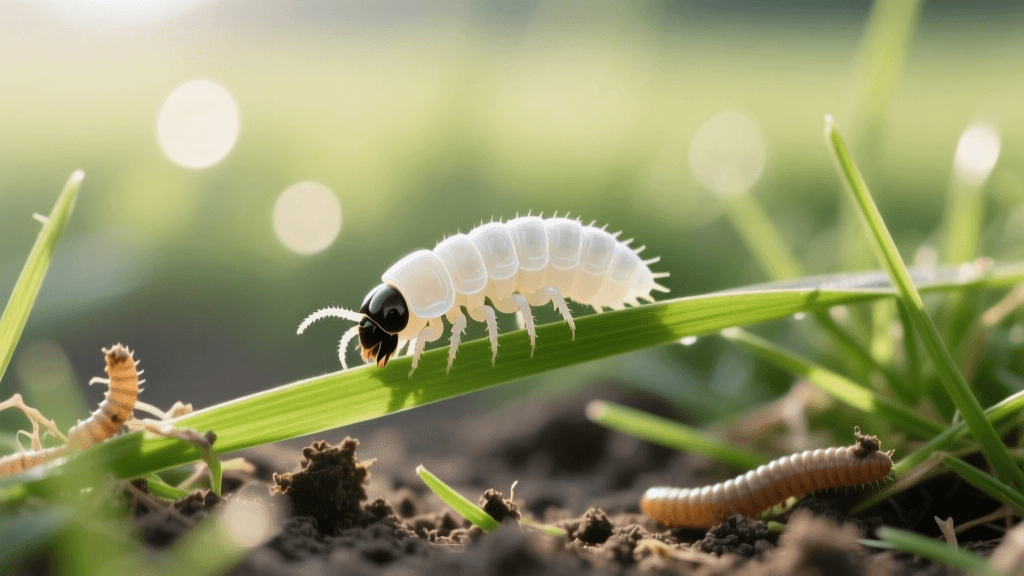
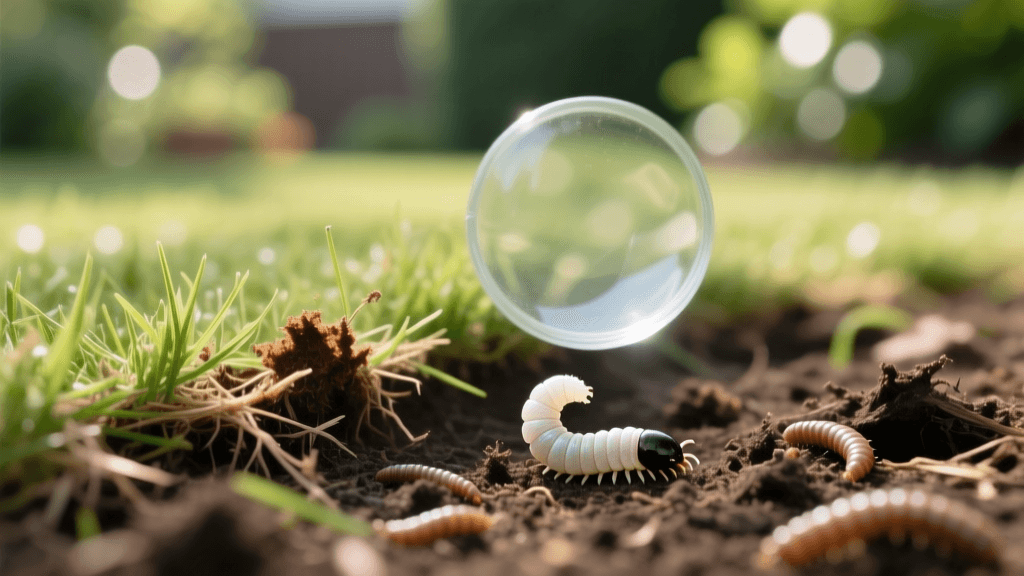
Every new homeowner or lawn care enthusiast eventually encounters the dread of brown, dying patches in their otherwise lush yard. While drought, fungal diseases, and dog urine are common culprits, one of the most destructive and misunderstood pests is the white grub. Grubs are the larval stage of various scarab beetles, including the notorious Japanese beetle, the June bug, and the European chafer. These C-shaped, creamy-white larvae live just beneath the soil surface, feasting on the tender roots of your turfgrass. For beginners, a grub infestation can feel like an overwhelming disaster, but with a basic understanding of their life cycle and the right integrated pest management (IPM) strategies, you can easily protect and restore your lawn.
How to Identify a Grub Infestation
The first mistake many beginners make is assuming that every brown patch is caused by grubs. Before you purchase any treatments, you must properly diagnose the problem. Grub damage typically appears in late summer or early fall as irregular, brown, wilted patches of grass that fail to respond to watering. Because the grubs have severed the roots from the soil, the turf loses its anchor and its ability to absorb moisture. Furthermore, secondary pests like skunks, raccoons, and crows may tear up your lawn to feast on the protein-rich grubs beneath the surface.
To confirm a grub infestation, lawn care experts recommend performing the 'Tug Test' and the 'Square Foot Dig.' Walk out to the edge of a damaged brown patch, right where it meets the healthy green grass. Grab a handful of the turf and pull gently. If the grass rolls up like a loose carpet or sponge with little to no resistance, grubs have likely eaten the root system. Next, use a flat-edged spade to cut a one-foot by one-foot square of sod, about two to three inches deep, and peel it back. Inspect the soil and the underside of the turf for C-shaped white larvae. Count the number of grubs you find. According to the Penn State University Extension, a healthy lawn can tolerate a low population of grubs. However, if you count more than five to ten grubs per square foot, treatment is necessary to prevent severe, irreversible turf loss.
The Grub Life Cycle and Treatment Timing
Timing is the most critical factor in grub control. Applying the wrong product at the wrong time of year is a waste of money and harmful to the environment. Grubs follow a predictable annual life cycle, and your treatment strategy must align with their developmental stages.
| Season | Grub Stage | Lawn Impact | Recommended Action |
|---|---|---|---|
| Spring (April - May) | Maturing Larvae | Brief surface feeding before pupating deep in soil. | No chemical treatment needed. Focus on lawn health. |
| Early Summer (June - July) | Adult Beetles & Eggs | Beetles lay eggs in the soil. Eggs hatch in 2-3 weeks. | Apply PREVENTATIVE grub control (e.g., Chlorantraniliprole). |
| Late Summer (Aug - Sept) | Young Larvae (Grubs) | Heavy root feeding begins. Turf turns brown. | Apply CURATIVE grub control (e.g., Trichlorfon) or Nematodes. |
| Fall (Oct - Nov) | Mature Larvae | Grubs dig deep below the frost line to overwinter. | Too late for most treatments. Focus on turf repair. |
| Winter (Dec - Mar) | Dormant | No feeding or damage. | No action required. |
Beginner-Friendly Organic Control Methods
For homeowners who prefer to avoid synthetic chemicals, biological controls offer an excellent, eco-friendly alternative. These methods utilize natural predators and pathogens to target grubs without harming beneficial insects, pets, or children.
Beneficial Nematodes
Beneficial nematodes are microscopic, unsegmented worms that naturally occur in soil. For grub control, the specific strain Heterorhabditis bacteriophora (often abbreviated as Hb) is the most effective. These nematodes actively hunt down grubs, enter their bodies, and release bacteria that kill the pest within 48 hours. You can purchase live nematodes online or at specialty garden centers for about $30 to $40 per package, which typically covers 2,000 to 3,000 square feet. Because they are living organisms, they must be stored in the refrigerator and applied in the late afternoon or evening to avoid UV light degradation. The soil must be kept consistently moist for at least two weeks after application to allow the nematodes to travel through the soil profile.
Milky Spore Disease
Milky Spore (Paenibacillus popilliae) is a naturally occurring bacterium that specifically targets Japanese beetle grubs. When the grub ingests the spores while feeding on roots, the bacteria multiply, turning the grub's internal fluids a milky white and eventually killing it. The decomposing grub then releases billions of new spores back into the soil, creating a long-term defense. Milky Spore powder costs around $50 for a 40-ounce box covering 10,000 square feet. While it is a fantastic long-term investment that can protect your lawn for 10 to 15 years, beginners should note that it takes one to three years to build up effective spore concentrations in the soil, meaning it will not stop an active, severe infestation immediately.
Chemical Control: Preventative vs. Curative
If your lawn is facing a severe, active infestation, or if you have a history of devastating grub damage, synthetic chemical controls may be necessary. Chemical treatments are divided into two distinct categories: preventatives and curatives.
Preventative Treatments
Preventative chemicals are designed to be applied before the eggs hatch, creating a toxic barrier in the soil that kills young grubs as they begin to feed. The gold standard for preventative control is Chlorantraniliprole, widely available to consumers under brand names like Scotts GrubEx. This active ingredient is highly effective and has a lower toxicity profile for bees and mammals compared to older chemicals. A standard bag is formulated to be applied at roughly 2.8 pounds per 1,000 square feet and costs approximately $25 to cover 5,000 square feet. For optimal results, apply it between late May and early July, and water it into the soil with about a quarter-inch of irrigation to activate the granules.
Curative Treatments
If you missed the preventative window and discover an active infestation in August or September, you need a fast-acting curative insecticide. Trichlorfon (commonly sold as Bayer Advanced 24 Hour Grub Killer or Dylox) is the go-to rescue treatment. It moves quickly through the soil and can kill actively feeding grubs within 24 hours. Curative treatments are generally more expensive, costing around $35 to $45 for a bag designed to be applied at 3 to 4 pounds per 1,000 square feet. It is crucial to water Trichlorfon in immediately after application, as the active ingredient degrades rapidly when exposed to sunlight and high soil pH levels.
Repairing Grub Damage and Future Prevention
Once the grubs have been eradicated, the work of repairing your lawn begins. Dead, detached turf will not re-root, so you must remove it. Use a sturdy thatch rake or a mechanical dethatcher to pull up the dead grass and loosen the top layer of soil. Following dethatching, core aeration is highly recommended to relieve soil compaction and create ideal seed-to-soil contact.
Overseed the bare patches with a resilient, deep-rooting grass variety. Turf-type tall fescue is an excellent choice for beginner lawn owners because its extensive root system makes it more tolerant of minor grub feeding and drought stress. Apply a starter fertilizer to promote rapid germination, and keep the top inch of soil consistently moist until the new grass reaches mowing height.
According to the Penn State University Extension, 'Maintaining a vigorous, deeply rooted lawn through proper mowing, watering, and fertilization is the first line of defense against white grubs. Healthy turf can often outgrow minor root damage without the need for chemical intervention.'
By combining proper cultural practices with targeted, well-timed treatments, even novice gardeners can maintain a thick, vibrant lawn that naturally resists the destructive appetite of grub worms.