Tree Care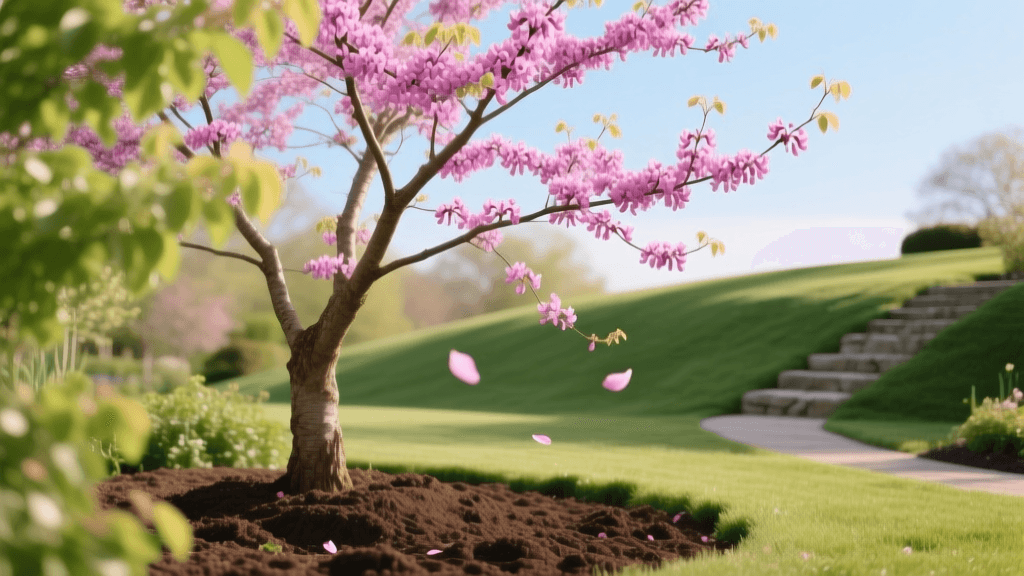
A Beginner's Guide to Planting Eastern Redbud Trees
Why Choose the Eastern Redbud?
If you are a beginner looking to add a spectacular focal point to your home landscape, the Eastern Redbud (Cercis canadensis) is an outstanding choice. Native to eastern North America, this deciduous tree is famous for its breathtaking, pea-like magenta and pink flowers that erupt along bare branches in early spring before the foliage emerges. Following the bloom, the tree produces elegant, heart-shaped leaves that provide beautiful dappled shade throughout the summer.
Eastern Redbuds are relatively small, typically maturing at 20 to 30 feet tall with a similar spread, making them perfect for small yards, patio borders, or as understory trees near larger woodland plantings. They are hardy in USDA Zones 4 through 9 and are remarkably adaptable to various soil types, provided they have adequate drainage. According to the North Carolina State University Plant Toolbox, these trees also serve as excellent pollinator magnets, drawing in bees and butterflies during their peak blooming window.
Selecting the Right Redbud Variety
While the native Eastern Redbud is beautiful, horticulturists have developed several stunning cultivars that offer unique foliage colors and flower variations. Expect to pay between $60 and $150 for a healthy 5-gallon to 15-gallon nursery sapling. Here is a comparison of the most popular beginner-friendly varieties:
| Variety | Flower Color | Summer Foliage | Best Use Case |
|---|---|---|---|
| Forest Pansy | Purple-Pink | Deep Burgundy/Purple | High-contrast focal point |
| Appalachian Red | Vivid Fuchsia | Dark Green | Vibrant spring color pop |
| Texas White | Pure White | Glossy Green | Elegant, subtle landscapes |
| Merlot | Bright Pink | Dark Purple, Heat Tolerant | Warmer southern climates |
Step-by-Step Planting Guide for Beginners
Proper planting is the single most important factor in the long-term health of your Redbud. Follow these actionable steps to ensure your tree establishes a robust root system.
1. Timing and Location
The best time to plant an Eastern Redbud is in early spring after the last frost, or in early fall, allowing the roots to establish before extreme temperatures hit. Choose a location that receives full sun to partial shade. In hotter southern climates (Zones 7-9), afternoon shade is highly beneficial to prevent leaf scorch.
2. Digging the Perfect Hole
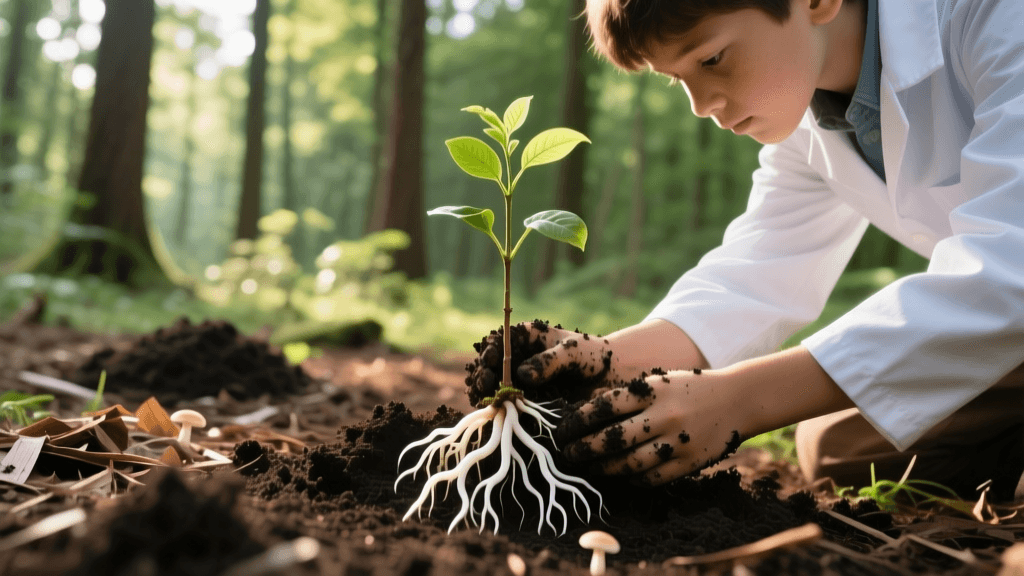
According to the University of Minnesota Extension, the most common mistake beginners make is digging the hole too deep. You must dig a hole that is two to three times wider than the root ball, but no deeper than the root ball itself. The top of the root flare (where the trunk widens at the base) should sit slightly above or exactly level with the surrounding soil grade.
Pro Tip: Never bury the root flare of your Redbud tree. Planting too deep leads to trunk rot, girdling roots, and premature tree death. When in doubt, plant an inch high!
3. Prepping and Placing the Tree
Gently remove the tree from its nursery pot. If the roots are tightly bound and circling the bottom, use a sterilized hand pruner or a sharp knife to make three or four vertical slices down the sides of the root ball. This encourages the roots to grow outward into the native soil rather than strangling the trunk. Place the tree in the center of the hole, ensuring it is straight from all viewing angles.
4. Backfilling
Fill the hole with the native soil you just dug out. Avoid the temptation to amend the backfill with heavy compost or peat moss. Amending the soil in the planting hole creates a "pot effect," where water pools in the loose soil and drowns the roots, while the roots refuse to cross the barrier into the denser native clay or sand. Water the hole halfway through backfilling to eliminate large air pockets.
Essential Care: Watering and Mulching
Young Redbud trees require consistent moisture to survive their first two growing seasons. However, they are highly susceptible to root rot if left in standing water.
The Watering Schedule
For the first month, water your newly planted Redbud deeply twice a week. A good rule of thumb is to apply 10 to 15 gallons of water per week during the growing season. Use a soaker hose or let your garden hose trickle at the base for 30 to 45 minutes. After the first year, you can reduce watering to once a week during dry spells. Always check the soil moisture by digging down 3 inches with a trowel; if it feels dry, it is time to water.
The 3-3-3 Mulching Rule
Mulch is a beginner's best friend for retaining moisture and suppressing weeds, but it must be applied correctly to prevent disease. Follow the 3-3-3 rule:
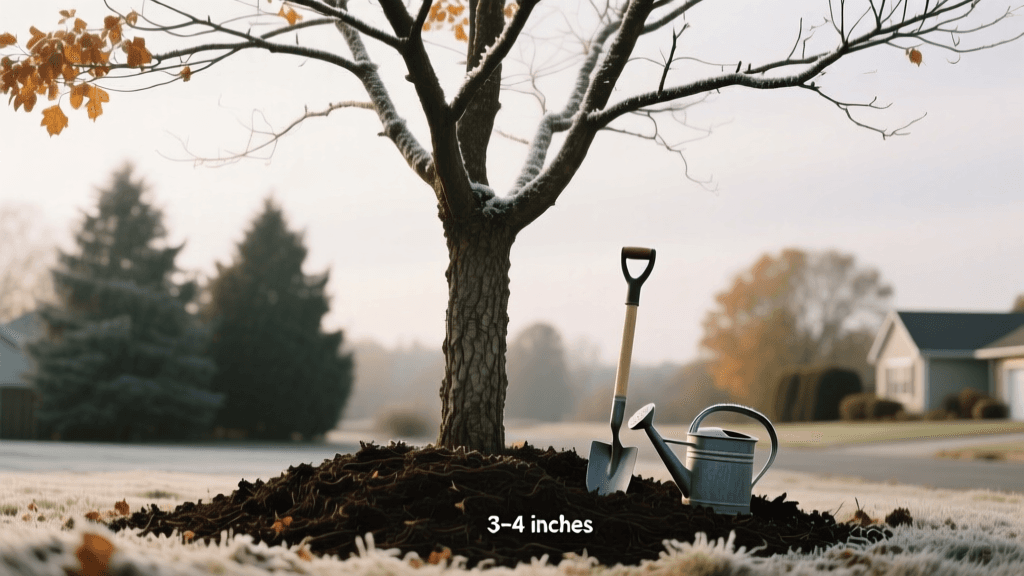
- 3 Inches Deep: Apply a layer of organic hardwood mulch no thicker than 3 inches.
- 3 Feet Wide: Create a mulch ring that extends 3 feet in diameter from the trunk.
- 3 Inches Away: Keep the mulch at least 3 inches away from the actual trunk of the tree. Piling mulch against the bark (often called "volcano mulching") invites fungal pathogens and rodent damage.
Pruning and Maintenance
Eastern Redbuds naturally develop a beautiful, multi-trunked, or low-branching canopy. They require minimal pruning, which is great news for beginners. If you need to prune to remove dead wood, crossing branches, or low-hanging limbs that obstruct walkways, do so in late fall or early winter while the tree is fully dormant.
Pruning in early spring or summer can cause the tree to "bleed" sap heavily and leaves the fresh cuts vulnerable to insect infestations. Always use sharp, sterilized bypass pruners, wiping the blades with rubbing alcohol between cuts to prevent the spread of disease.
Fertilizing
Redbuds are light feeders. For the first year, do not fertilize; let the tree focus on root growth. In the second spring, you can apply a balanced, slow-release granular fertilizer (such as a 10-10-10 NPK ratio) around the drip line of the tree. Apply roughly 1 pound of fertilizer per inch of trunk diameter, water it in thoroughly, and avoid letting the granules touch the trunk.
Common Pests and Diseases to Watch For
While generally low-maintenance, Eastern Redbuds can be susceptible to a few specific issues. The Clemson University Home & Garden Information Center notes that Botryosphaeria canker is the most significant disease threat. This fungal disease causes branches to wilt, die back, and develop sunken, discolored lesions on the bark.
There is no chemical cure for canker. The best defense is preventative care: keep your tree well-watered during droughts (drought stress weakens the tree's immune system), avoid damaging the bark with lawnmowers or string trimmers, and promptly prune out any diseased branches during dry winter weather, cutting at least 6 inches below the visible canker margin.
Another minor nuisance is the leafhopper, which can cause stippling and yellowing on the heart-shaped leaves. Unless the infestation is severe and causing premature leaf drop, chemical treatment is rarely necessary. Encouraging natural predators like ladybugs and lacewings in your garden will usually keep leafhopper populations in check.
Conclusion
Planting an Eastern Redbud tree is a highly rewarding project for beginners. By selecting a sunny to partially shaded location, digging a wide and shallow hole, and adhering to a consistent watering and mulching routine, you will set your tree up for decades of success. With its brilliant springtime floral display and elegant architectural form, your Redbud will quickly become the most talked-about feature in your home landscape.