Tree Care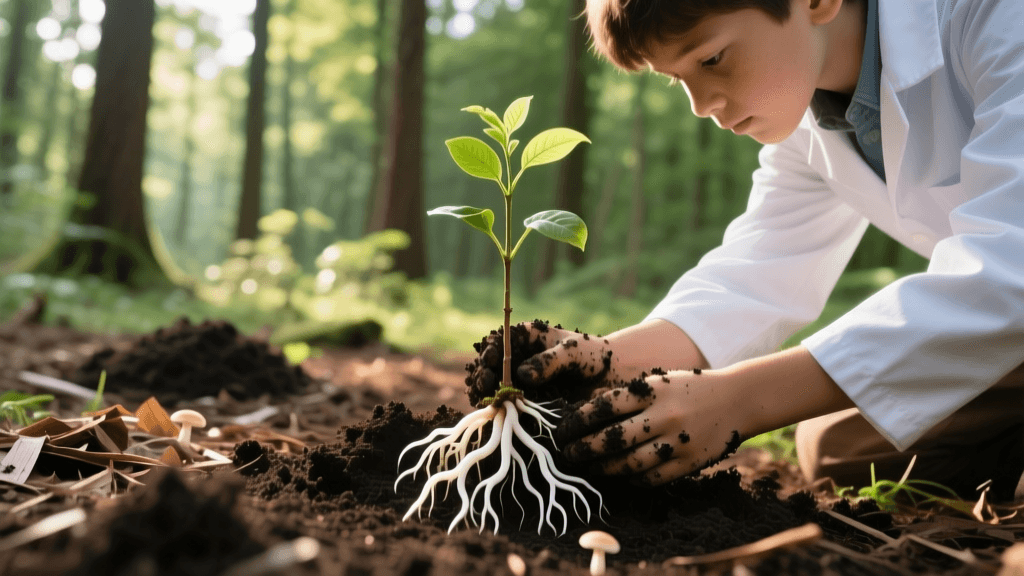
Sustainable Tree Planting: A Mycorrhizal Fungi Guide
The Shift Toward Sustainable Tree Planting
For decades, conventional tree planting has relied heavily on synthetic fertilizers, chemical root stimulants, and ecologically destructive soil amendments like peat moss. While these methods might force short-term growth, they often degrade the local soil microbiome, contribute to nutrient runoff, and accelerate the depletion of global peat bogs. As homeowners and land managers become more environmentally conscious, the focus has shifted toward eco-friendly and sustainable tree care practices. At the heart of this green revolution is a deeper understanding of the soil microbiome, specifically the critical role of mycorrhizal fungi.
Planting a tree is a long-term investment in your local ecosystem. By adopting sustainable tree planting methods, you not only ensure the health and longevity of your trees but also promote biodiversity, improve soil structure, and sequester carbon more effectively. This comprehensive guide will walk you through the science and practice of eco-friendly tree planting, focusing on harnessing the power of mycorrhizal fungi and organic soil amendments to create a thriving, self-sustaining landscape.
Understanding the Soil Microbiome and Mycorrhizal Fungi
Beneath the surface of every healthy forest lies a complex, interconnected network of organisms known as the soil food web. The stars of this underground ecosystem are mycorrhizal fungi. According to the University of Minnesota Extension, mycorrhizae form a symbiotic relationship with the roots of over 90% of all plant species on Earth. The word itself translates to 'fungus-root,' perfectly describing this mutually beneficial partnership.
In this relationship, the tree provides the fungi with carbohydrates produced through photosynthesis. In return, the fungi act as a massive, microscopic extension of the tree's root system. The fungal hyphae (thread-like structures) explore the soil far beyond the tree's actual root zone, mining for water, phosphorus, nitrogen, and essential micronutrients, and delivering them directly to the tree's roots. Furthermore, these fungi exude glomalin, a glycoprotein that binds soil particles together, improving soil aeration, drainage, and drought resistance.
Ectomycorrhizal vs. Endomycorrhizal Fungi
When selecting an eco-friendly inoculant for your tree planting project, it is vital to know which type of fungi your tree requires:
- Ectomycorrhizal Fungi: These fungi form a sheath around the outside of the root tips. They primarily associate with woody trees and shrubs such as oaks, pines, birches, beeches, and willows.
- Endomycorrhizal Fungi (Arbuscular): These fungi penetrate the root cells themselves. They associate with most fruit trees, maples, ashes, ash, locusts, and many ornamental shrubs.
Many commercial eco-friendly inoculants offer a 'dual-species' blend to ensure coverage for a wide variety of landscape trees, but checking your specific tree species is a best practice for sustainable planting.
Eco-Friendly Soil Amendments vs. Conventional Practices
Transitioning to sustainable tree care means rethinking the materials we put into the planting hole. The table below contrasts conventional, ecologically harmful practices with sustainable, microbiome-friendly alternatives.
| Practice / Material | Conventional Approach | Eco-Friendly & Sustainable Alternative |
|---|---|---|
| Organic Matter | Peat Moss (Harvesting destroys carbon-sequestering peat bogs and releases CO2). | Coconut Coir, Leaf Mold, or locally sourced municipal compost. (Renewable, recycles waste, supports local ecosystems). |
| Root Stimulation | Synthetic high-phosphorus liquid fertilizers (Causes runoff, harms aquatic life, inhibits natural fungal growth). | Mycorrhizal Fungal Inoculants (e.g., Plant Success MycoGrow or Espoma Bio-Tone). Builds natural, lifelong nutrient networks. |
| Weed Suppression | Chemical Herbicides or plastic landscape fabric (Degrades soil biology, creates microplastics). | Cardboard sheet-mulching topped with Ramial Chipped Wood (Arborist chips). Suppresses weeds while feeding soil biology. |
| Soil Preparation | Heavy tilling and complete soil replacement (Destroys soil horizons and existing microbial life). | Minimal-till native soil backfill amended with 10-20% compost. Preserves local soil ecology. |
Step-by-Step Guide to Eco-Friendly Tree Planting
The Arbor Day Foundation emphasizes that proper planting depth and hole preparation are critical to a tree's survival. When combining these foundational principles with sustainable, eco-friendly techniques, you set the stage for a tree that requires fewer chemical interventions over its lifespan.
Step 1: Sourcing and 'Root Washing'
Most nursery trees are grown in containers filled with soilless potting mixes that are heavily reliant on synthetic fertilizers. Furthermore, container-grown trees often develop circling 'girdling' roots that will eventually strangle the tree. An eco-friendly and highly recommended practice is 'root washing.' Using a gentle stream of water from a garden hose, wash away the top third and outer edges of the nursery soil. This exposes the root flare (the trunk's widening at the base) and allows you to gently untangle circling roots without the need for chemical transplant shock preventers.
Step 2: Digging the Hole and Preserving Soil Horizons
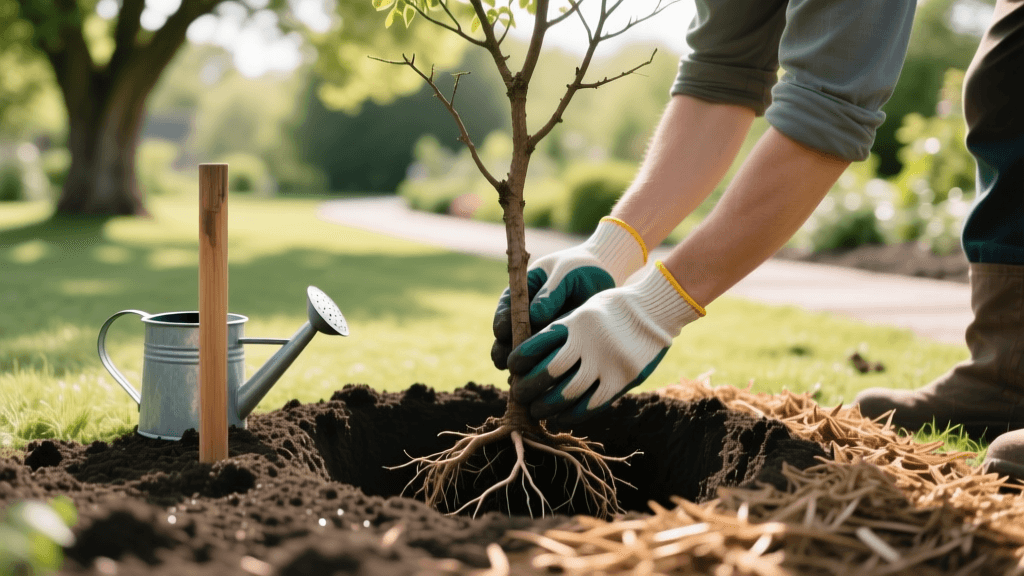
Dig a hole that is two to three times wider than the root ball, but no deeper than the root ball itself. The tree's root flare must sit slightly above the surrounding grade to prevent waterlogging and trunk rot. As you dig, save the native topsoil separately from the subsoil. Eco-friendly planting relies on preserving the natural stratigraphy (layers) of your soil, which houses distinct microbial communities adapted to different oxygen levels.
Step 3: Applying Mycorrhizal Inoculants
This is where the magic of sustainable tree planting occurs. Because nursery soils are typically sterile and devoid of beneficial fungi, you must reintroduce them. Purchase a high-quality, granular mycorrhizal inoculant containing species like Rhizophagus irregularis (for endomycorrhizal needs) or Pisolithus tinctorius (for ectomycorrhizal needs).
Application Instructions:
- Cost: Approximately $15 to $30 for a 4oz to 1lb bag of professional-grade inoculant.
- Timing: Apply directly to the roots at the time of planting. Fungi need physical contact with the root tissue to colonize.
- Measurement: Dust or sprinkle roughly 1 to 2 tablespoons of granular inoculant directly onto the exposed, damp roots of your washed root ball. If using a soluble drench (like MycoGrow Soluble), mix 1 teaspoon per gallon of water and water the root ball immediately after placing it in the hole.
Step 4: Sustainable Backfilling
Avoid the temptation to fill the hole with 100% compost or potting soil. This creates a 'bathtub effect,' where water pools in the loose organic matter and drowns the roots. Instead, use the native topsoil you excavated, mixing in no more than 10% to 20% high-quality, locally sourced compost or coconut coir to gently improve soil structure. Backfill the hole, tamping down lightly with your hands or by watering, to eliminate large air pockets.
Step 5: Eco-Friendly Mulching with Ramial Wood Chips
According to Penn State Extension, proper mulching conserves moisture, moderates soil temperature, and suppresses weeds. However, buying dyed, bagged hardwood mulch is an ecologically expensive and unsustainable choice. Instead, source 'Ramial Chipped Wood' (RCW) or arborist wood chips from local tree care services, who often deliver them for free.
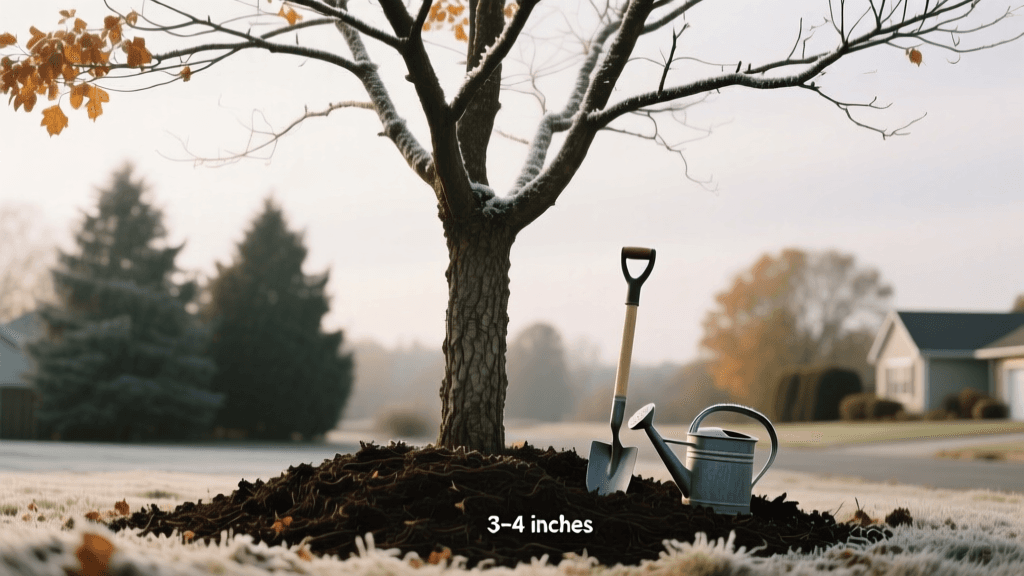
Apply a 3-inch layer of these wood chips in a wide 'donut' shape around the tree. The mulch ring should extend at least 3 feet from the trunk in all directions. Crucially, keep the mulch at least 3 inches away from the trunk itself to prevent bark rot and rodent damage. As the wood chips slowly decompose, they feed the local fungal network, creating a continuous, natural supply of nutrients that eliminates the need for synthetic fertilizers.
Long-Term Eco-Friendly Tree Care and Maintenance
Once your tree is planted using sustainable methods, ongoing care should mirror this eco-conscious philosophy. Traditional lawn care often involves broad-spectrum herbicides and synthetic nitrogen feeds that can harm the delicate mycorrhizal networks you just established.
Sustainable Watering Practices
During the first two years, a newly planted tree requires roughly 10 to 15 gallons of water per week during the growing season. To minimize your municipal water footprint, install a rain barrel system connected to your home's downspouts. Using harvested rainwater is not only eco-friendly, but it is also better for the tree; rainwater is naturally soft, slightly acidic, and free of the chlorine and chloramines found in treated city water, which can be toxic to soil microbes.
Natural Pest and Disease Management
Trees planted with robust mycorrhizal networks are naturally more resistant to pests and fungal diseases. The fungi can actually trigger the tree's systemic acquired resistance (SAR), essentially boosting its immune system. If pests like aphids or scale do appear, avoid systemic chemical pesticides that leach into the soil and harm the fungal network. Instead, encourage biological controls by planting native pollinator-friendly perennials around the tree's mulch ring to attract predatory insects like ladybugs and lacewings. For immediate intervention, use eco-friendly horticultural oils or Neem oil, which break down rapidly in the environment without leaving toxic residues.
Conclusion
Transitioning to eco-friendly tree planting methods is one of the most impactful ways to improve your local environment. By abandoning synthetic fertilizers, protecting peat bogs, and embracing the incredible power of mycorrhizal fungi, you are not just planting a tree; you are cultivating a living, breathing ecosystem. The initial effort of root washing, inoculating, and sourcing sustainable mulch pays dividends for decades, resulting in a resilient, majestic tree that anchors the soil, shades your home, and supports local biodiversity for generations to come.