Tree Care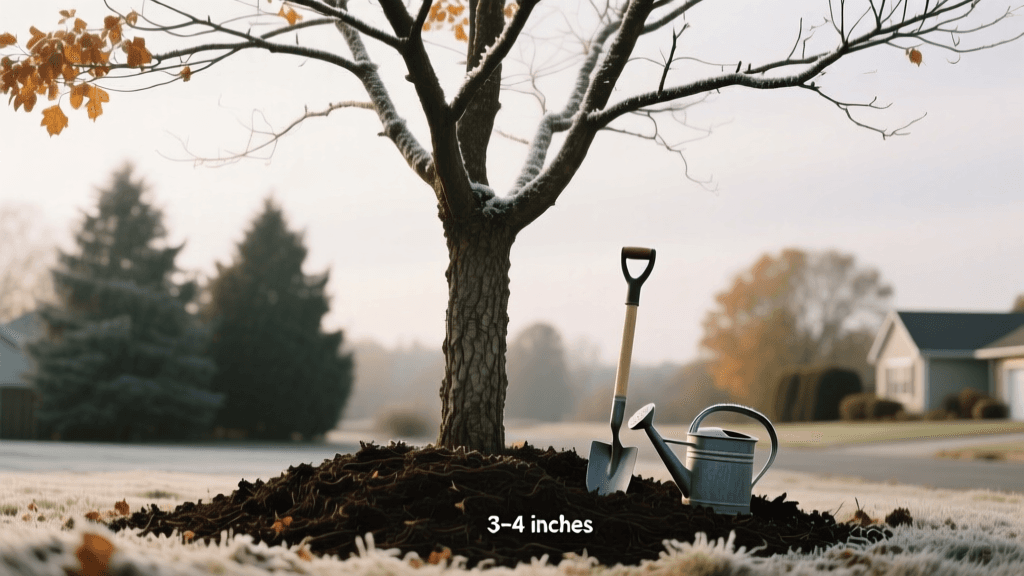
The Ultimate Guide to Winterizing Trees for Cold Climates
The Importance of Dormant Season Preparation
As autumn transitions into winter, the lush canopies of deciduous trees give way to bare branches, and the landscape enters a period of apparent rest. However, beneath the soil and within the cellular structure of your trees, critical processes are still at play. Winterizing your trees during the late fall is not merely a cosmetic endeavor; it is a vital seasonal maintenance practice that ensures their survival, structural integrity, and vigor for the following spring. Trees in urban and suburban environments face unique winter stressors, including fluctuating soil temperatures, de-icing salts, frost cracks, and winter desiccation. According to the University of Minnesota Extension, proper late-fall preparation can mitigate the vast majority of cold-weather injuries that plague residential landscapes.
Winter injury often occurs not from the cold itself, but from rapid temperature fluctuations, lack of moisture, and physical damage from snow loads or wildlife. By implementing a comprehensive seasonal maintenance schedule between late October and early December, homeowners can protect their most valuable landscape assets. This guide will walk you through the exact measurements, products, and timing required to properly winterize both deciduous and evergreen trees in cold climates.
Deep Watering Strategies Before the Freeze
One of the most common misconceptions in tree care is that trees do not need water once they drop their leaves or enter dormancy. In reality, winter desiccation—where trees lose moisture through their bark and evergreen needles faster than they can absorb it from frozen ground—is a leading cause of spring dieback. To combat this, deep watering before the ground freezes is essential.
Measurements and Timing
- Timing: Continue watering until the soil surface begins to freeze, typically when nighttime temperatures consistently drop below 32 degrees Fahrenheit.
- Volume: Apply approximately 10 gallons of water per inch of trunk diameter (measured at knee height) for newly planted and young trees.
- Method: Use a soaker hose or a root-feeder probe placed 12 to 18 inches deep into the soil, targeting the drip line rather than the base of the trunk.
Mature trees with established root systems generally require less supplemental watering unless your region is experiencing a severe autumn drought. For those dealing with heavy clay soils, water more slowly to allow for penetration and prevent surface runoff.
The 'Donut' Mulching Method for Thermal Insulation
Mulch acts as an insulating blanket, regulating soil temperature and retaining crucial moisture during the freeze-thaw cycles of late winter. However, improper mulching can be just as damaging as no mulch at all. The Morton Arboretum strongly advises against 'volcano mulching,' where mulch is piled high against the trunk, as this invites rot, fungal diseases, and rodent habitation.
Instead, utilize the 'donut' method. Spread a 2 to 4-inch layer of organic mulch, such as shredded hardwood or pine bark, in a wide ring around the tree. The mulch ring should extend at least 3 feet from the trunk for young trees, and further for mature trees if possible. Crucially, keep the mulch 2 to 3 inches away from the actual bark of the trunk, leaving the root flare completely exposed. This technique prevents the bark from staying damp and deters voles from girdling the tree beneath the snow line.
Preventing Sunscald and Frost Cracks
Young trees with thin bark, such as maples, crabapples, honeylocusts, and cherries, are highly susceptible to sunscald and frost cracks. On bright, sunny winter days, the dark bark on the southwest side of the trunk absorbs heat, causing the underlying cambium layer to break dormancy and become active. When the sun sets and temperatures plummet below freezing, the active cells freeze and burst, resulting in elongated, vertical cracks that can permanently compromise the tree's vascular system.
Trunk Wrapping and Painting
To prevent this, wrap the trunks of susceptible trees up to the first set of branches using a commercial tree wrap made of crepe paper or a white plastic tree guard. The wrap reflects sunlight and maintains a stable bark temperature. According to Penn State Extension, you should apply the wrap in late fall and remove it promptly in early spring to prevent moisture buildup and insect infestation during the growing season. Alternatively, painting the lower trunk with a 50/50 mixture of white interior latex paint and water can provide a permanent, low-cost reflective barrier for orchard and fruit trees.
Protecting Evergreens from Winter Burn
Evergreens retain their foliage year-round, meaning they continue to transpire (lose water) throughout the winter. When the ground is frozen and harsh, drying winds sweep across the landscape, evergreens can suffer from winter burn, characterized by browning needles and dead branch tips.
Anti-Desiccant Sprays
Applying an anti-desiccant spray, such as Wilt-Pruf, creates a protective, waxy polymer coating over the needles that slows moisture loss. For maximum effectiveness, apply the spray in late November or early December when temperatures are above 40 degrees Fahrenheit and no rain is expected for 24 hours. A second application in late January or early February during a brief thaw can extend protection through the most damaging wind storms of the season. Expect to spend between $15 and $30 on a concentrated hose-end sprayer for residential use.
Burlap Screens
For newly planted evergreens or highly sensitive species like Arborvitae, erecting a burlap wind screen is highly recommended. Drive three wooden stakes into the ground in a semi-circle on the windward side (usually northwest) of the tree, and staple heavy-duty burlap to the stakes. Leave the top open to allow snow and light precipitation to reach the root zone.
Structural Pruning and Snow Load Management
Winter is the ideal time for structural pruning on deciduous trees. With the leaves gone, the branching architecture is fully visible, making it easier to identify co-dominant stems, crossing branches, and deadwood. Pruning during dormancy also minimizes the risk of spreading diseases like oak wilt or fire blight, as the pathogens and the insects that vector them are inactive.
Focus on removing branches with narrow, V-shaped crotches, which are highly prone to splitting under the weight of heavy, wet snow or ice. If a valuable mature tree has multiple co-dominant leaders that cannot be safely removed without ruining the canopy's balance, consult an ISA Certified Arborist to install dynamic cabling systems. These systems allow the tree to move naturally in the wind while providing the tensile strength needed to survive severe winter storms.
Winter Tree Care Schedule and Cost Breakdown
Planning your seasonal maintenance budget is easier when you understand the typical costs and timing associated with each task. Below is a comprehensive breakdown of winterizing activities for an average residential property with 3 to 5 medium-sized trees.
| Maintenance Task | Optimal Timing | Materials Needed | Estimated Cost (DIY vs Pro) |
|---|---|---|---|
| Deep Root Hydration | Late Fall (Pre-Freeze) | Soaker hose, water timer | $10 - $20 (Water utility cost) |
| Donut Mulching | Mid to Late November | Shredded hardwood mulch | $40 - $80 per cubic yard |
| Trunk Wrapping | Late November | Crepe paper tree wrap | $5 - $12 per roll |
| Anti-Desiccant Spray | Dec & Feb (Above 40F) | Wilt-Pruf concentrate | $20 - $45 per bottle |
| Rodent Guard Installation | Early November | 1/4-inch hardware cloth | $15 - $30 per tree |
| Dormant Structural Pruning | Dec to Early March | Bypass pruners, pole saw | $150 - $600 (ISA Arborist) |
Deterring Winter Rodents and Pests
When snow covers the ground, voles, mice, and rabbits turn to the tender bark of young trees for sustenance. A single winter season of rodent girdling can kill a tree that has taken five years to establish. To prevent this, install a cylinder of 1/4-inch galvanized hardware cloth around the base of the trunk. The cylinder should be tall enough to extend 18 inches above the anticipated snow line and must be buried 2 to 3 inches below the soil surface to stop burrowing animals. Avoid using plastic tree guards for this purpose, as they can trap moisture against the bark and provide a cozy, hidden habitat for insects and fungi.
Additionally, applying a dormant horticultural oil spray in late winter (just before bud break in early spring) is an excellent, eco-friendly way to smother overwintering insect eggs, such as aphids, scale, and spider mites, ensuring your trees emerge pest-free in the spring.
Conclusion
Winterizing your trees is an investment in the long-term health, safety, and beauty of your landscape. By prioritizing deep hydration, proper mulching techniques, trunk protection, and strategic dormant pruning, you fortify your trees against the harshest elements of the cold season. Remember that proactive seasonal maintenance is always more cost-effective than reactive storm damage repair or emergency tree removal. Equip yourself with the right materials, follow the late-fall timeline, and consult certified arborists for complex structural issues to ensure your trees thrive for decades to come.