Gardening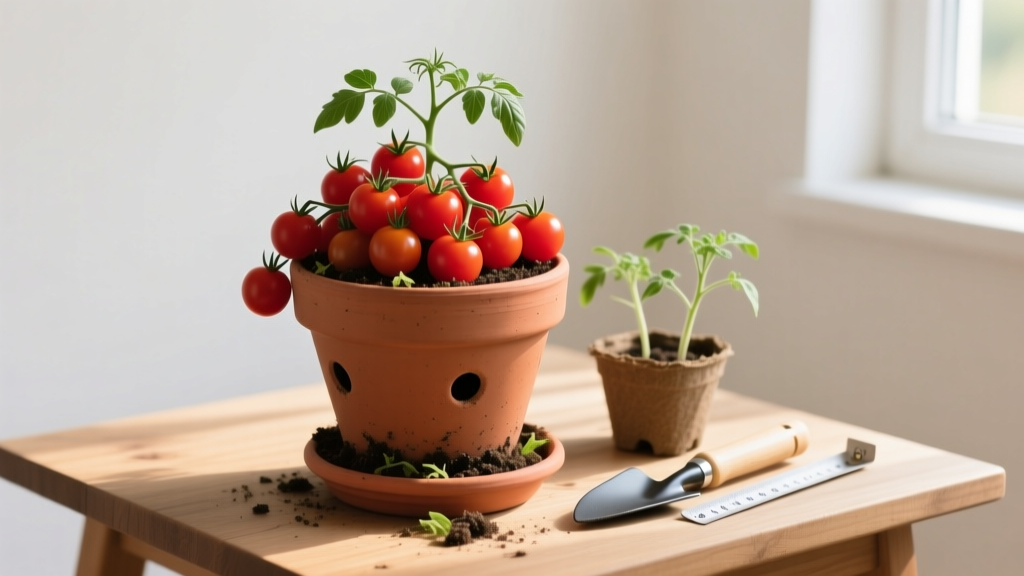
Beginner's Guide to Growing Cherry Tomatoes in Containers
Emily WatsonPublished
Why Cherry Tomatoes Are the Ultimate Beginner Crop
Growing your own food is one of the most rewarding hobbies you can take up, but starting a full-scale vegetable garden can feel overwhelming. If you are looking for a high-yield, low-stress entry point into gardening, container-grown cherry tomatoes are the perfect solution. Unlike large heirloom beefsteak tomatoes that require meticulous pruning, heavy staking, and a long growing season, cherry tomatoes are vigorous, disease-resistant, and produce fruit continuously from early summer right up to the first fall frost.
According to the University of Minnesota Extension, tomatoes are the most popular home garden vegetable, and compact or cherry varieties are specifically recommended for container gardening due to their adaptable root systems and rapid maturation rates. Whether you have a sprawling backyard or just a small urban balcony, this guide will walk you through the exact steps, measurements, and products needed to grow a bountiful cherry tomato harvest.
Selecting the Perfect Container and Soil Mix
Container Size and Material
The biggest mistake beginners make is choosing a pot that is too small. Tomatoes have extensive root systems that require ample space to access water and nutrients. For cherry tomatoes, you need a container that holds a minimum of 5 gallons of soil, though 10 to 15 gallons is ideal for indeterminate (vining) varieties.
- Fabric Grow Bags (5 to 10 gallons): These are highly recommended for beginners. They cost between $8 and $15 for a multi-pack, provide excellent drainage, and 'air-prune' the roots, preventing them from becoming root-bound.
- Plastic or Resin Planters (15 to 20 inches in diameter): These retain moisture better than terracotta but must have at least four to six drainage holes drilled into the bottom. Expect to spend $20 to $35 for a high-quality UV-resistant resin pot.
The Ideal Potting Soil Recipe
Never use topsoil or garden dirt in a container. It compacts easily, suffocating the roots and introducing soil-borne diseases. Instead, use a light, fluffy, and nutrient-rich potting mix. You can buy a premium bagged mix like FoxFarm Ocean Forest or Miracle-Gro Performance Organics (roughly $15 to $25 per 1.5 cubic foot bag), or mix your own using this beginner-friendly recipe:
- 50% High-quality peat-based or coco coir potting soil
- 30% Organic compost (for slow-release nutrients)
- 20% Coarse perlite (for aeration and drainage)
Top Cherry Tomato Varieties for Containers
When shopping for seeds or nursery transplants, you will notice varieties labeled as either determinate (bushy, stop growing at a certain height, fruit ripens all at once) or indeterminate (vining, grow continuously, fruit ripens gradually). Both can be grown in containers, but they require different pot sizes and support structures.
| Variety | Growth Habit | Days to Harvest | Minimum Pot Size | Flavor Profile |
|---|---|---|---|---|
| Tiny Tim | Determinate | 45-50 Days | 3-5 Gallons | Mild, classic tomato |
| Sun Gold | Indeterminate | 55-65 Days | 10-15 Gallons | Intensely sweet, tropical |
| Super Sweet 100 | Indeterminate | 65-70 Days | 10-15 Gallons | Sweet, tangy, prolific |
| Patio Princess | Determinate | 55-60 Days | 5-7 Gallons | Rich, balanced acidity |
Step-by-Step Planting Instructions
Timing and Hardening Off
Tomatoes are highly sensitive to cold. Wait to plant your transplants outdoors until 1 to 2 weeks after your region's average last spring frost date, when nighttime temperatures consistently stay above 50°F (10°C). If you started seeds indoors or bought plants from a greenhouse, you must 'harden them off' by placing them outside in a shaded, sheltered spot for a few hours each day, gradually increasing their sun exposure over 7 to 10 days.
Planting Depth
Unlike most plants, tomatoes can grow roots directly from their stems. When planting your cherry tomato transplant, pinch off the lowest two sets of leaves and bury the stem deep into the soil, leaving only the top leafy canopy exposed. This deep planting creates a massive, robust root system that will support heavy fruit loads and improve drought tolerance.
Watering, Feeding, and Maintenance
Watering Routine
Container plants dry out much faster than in-ground gardens. During the peak heat of summer, you may need to water your cherry tomatoes every single day. The goal is consistent moisture; fluctuating between bone-dry and soaking wet causes the fruits to split. The Old Farmer's Almanac recommends providing about 1 to 2 inches of water per week. Always water at the base of the plant to keep the foliage dry, which prevents fungal diseases like early blight.
Fertilizing Schedule
Potting soils usually contain enough starter fertilizer for the first 3 to 4 weeks. Once the plant begins to flower, it is time to start a regular feeding schedule. Use an organic, tomato-specific fertilizer like Espoma Organic Tomato-tone (3-4-6 NPK), which includes calcium to prevent fruit rot. Scratch 3 tablespoons of the granular fertilizer into the top inch of soil every 3 to 4 weeks, and water it in thoroughly.
Pruning and Support
Determinate varieties like 'Tiny Tim' require minimal pruning and can be supported with a simple 2-foot wire cage. Indeterminate varieties like 'Sun Gold' will grow 6 feet tall or more and require a heavy-duty 5-foot tomato cage or a sturdy wooden stake. For indeterminate plants, pinch off the 'suckers' (the small shoots that grow in the 'V' joint between the main stem and the branches) to direct the plant's energy into fruit production rather than excessive foliage.
Troubleshooting Common Issues
Blossom End Rot
If you notice the bottom of your green or ripening tomatoes turning black and leathery, your plant is suffering from Blossom End Rot. This is a physiological disorder caused by a calcium deficiency in the developing fruit, almost always triggered by inconsistent watering rather than a lack of calcium in the soil. Maintain a strict watering schedule and apply a layer of organic mulch (like straw or shredded leaves) to the top of your container to lock in moisture.
Fruit Splitting
Cherry tomatoes are notorious for splitting their skins when they receive a sudden influx of water after a dry spell, such as a heavy summer downpour. To prevent this, harvest any nearly ripe cherry tomatoes immediately if heavy rain is in the forecast. As noted by Penn State Extension, keeping the soil moisture level as even as possible is the best defense against both splitting and blossom end rot.
'Container gardening democratizes the growing process. By controlling the soil quality, drainage, and sun exposure via movable pots, beginners can bypass the poor soil conditions and drainage issues that often plague traditional in-ground gardens.' — Home Garden Sustainability Report
Conclusion
Growing cherry tomatoes in containers is a highly accessible, deeply rewarding project that yields tangible results in just a couple of months. By investing in the right sized container, utilizing a well-draining potting mix, and maintaining a consistent watering and feeding schedule, even first-time gardeners can enjoy a continuous summer harvest of sweet, sun-warmed tomatoes right off the vine.
