Tree Care
Beginner Guide to Planting and Growing Japanese Maples
Why Japanese Maples Are Perfect for Beginners
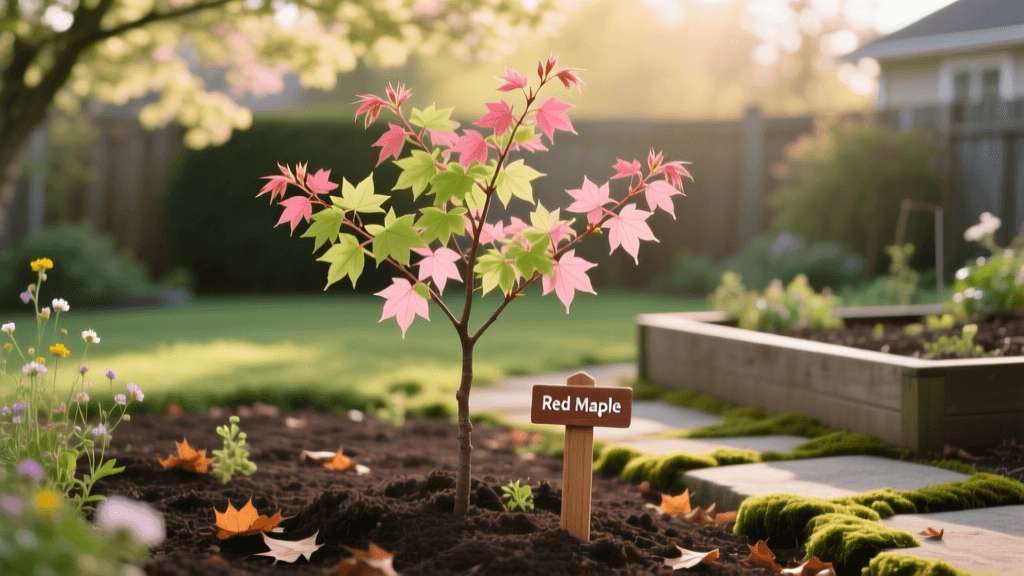
Japanese maples (Acer palmatum) are widely considered the crown jewels of the home landscape. With their delicate, deeply lobed leaves, striking seasonal color changes, and graceful branching structures, they offer year-round visual interest. For beginner gardeners, the idea of planting and maintaining an ornamental tree can feel intimidating. However, Japanese maples are surprisingly forgiving and adaptable when provided with the right foundational care. Unlike fast-growing shade trees that require aggressive pruning, or fruit trees that demand rigorous spraying schedules, Japanese maples thrive on a 'less is more' approach. This comprehensive, beginner-friendly guide will walk you through everything you need to know to successfully plant, grow, and maintain a stunning Japanese maple in your yard.
Choosing the Right Variety for Your Landscape
Before you head to the nursery, it is crucial to select a cultivar that matches your available space and light conditions. Japanese maples come in hundreds of varieties, generally categorized into upright, weeping (dissectum), and dwarf forms. A typical 5-gallon nursery tree will cost anywhere from $50 to $150, depending on the rarity and size of the cultivar.
| Variety | Mature Size | Foliage Color | Estimated Cost (5-Gallon) | Sun Tolerance |
|---|---|---|---|---|
| Bloodgood | 15-20 ft tall/wide | Deep Burgundy | $60 - $90 | Full Sun to Part Shade |
| Crimson Queen | 8-10 ft tall, 10-12 ft wide | Weeping Red | $80 - $120 | Part Shade (Protect from afternoon sun) |
| Sango-kaku (Coral Bark) | 20-25 ft tall, 15-20 ft wide | Pale Green / Brilliant Red Bark | $70 - $110 | Full Sun to Part Shade |
| Autumn Moon | 10-15 ft tall/wide | Chartreuse to Orange-Pink | $90 - $130 | Part Shade |
Site Selection: Finding the Perfect Spot
Location is the single most important factor in the long-term health of your Japanese maple. These trees naturally grow in the understory of larger forests, meaning they prefer dappled sunlight or partial shade. In northern climates (USDA Zones 5-6), they can tolerate full morning sun, but in southern climates (Zones 7-9), harsh afternoon sun will scorch their delicate leaves, causing crispy brown edges.
Additionally, Japanese maples have relatively shallow root systems. You must plant them in an area protected from harsh, drying winds, which can quickly dehydrate the foliage. Avoid planting in low-lying areas where water pools after heavy rain, as 'wet feet' will rapidly lead to fatal root rot.
Step-by-Step Planting Instructions
The best time to plant a Japanese maple is in early fall (September to October) or early spring (March to April) when the tree is dormant or just breaking dormancy. Follow these steps for a successful planting:
- Step 1: Dig the Hole. Dig a hole that is 2 to 3 times wider than the root ball, but no deeper than the root ball itself. The root flare (where the trunk widens at the base) must sit slightly above the surrounding soil grade to prevent water from pooling around the trunk.
- Step 2: Amend the Soil. If you have heavy clay soil, mix the backfill with a high-quality organic amendment like Miracle-Gro Garden Soil for Trees & Shrubs. For sandy soils, incorporate peat moss or compost to improve water retention.
- Step 3: Position and Backfill. Gently remove the tree from its nursery pot. Tease out any circling roots with your fingers to encourage outward growth. Place the tree in the hole and backfill with your amended soil, tamping down gently to remove large air pockets.
- Step 4: Apply Starter Fertilizer. Water the root zone thoroughly with a solution containing a root-stimulating fertilizer. We recommend Espoma Organic Bio-Tone Starter Plus (4-3-3 NPK), which contains beneficial mycorrhizae to help the tree establish a robust root system quickly.
The Golden Rules of Watering and Mulching
Newly planted Japanese maples require consistent moisture to survive their first two years. Water deeply 1 to 2 times per week, providing about 1 to 1.5 inches of water. Use a soaker hose or a slow-dripping garden hose at the base of the tree for 30 to 45 minutes to ensure the water penetrates deeply into the soil, encouraging deep root growth rather than shallow, surface-level roots.
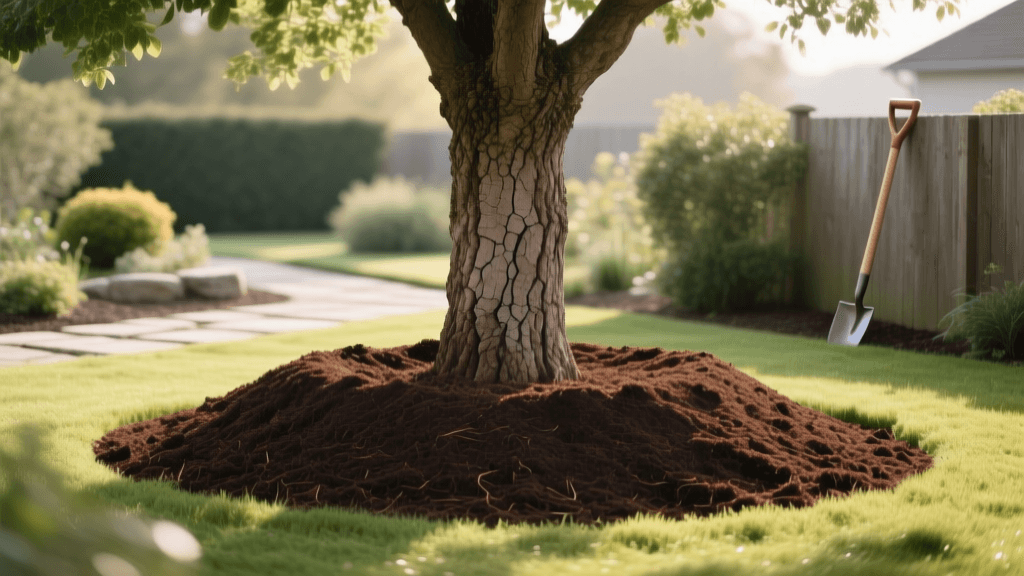
Mulching is non-negotiable for tree health. Apply a 2 to 3-inch layer of organic mulch, such as shredded hardwood bark or pine straw, in a wide ring around the tree. Crucial Warning: Never pile mulch against the trunk. This practice, known as 'volcano mulching,' traps moisture against the bark, inviting fungal diseases, rot, and rodent damage. Always leave a 6-inch mulch-free buffer zone directly around the trunk, creating a 'donut' shape.
Pruning Demystified: When and How to Cut
One of the most common beginner mistakes is over-pruning. Japanese maples rarely need heavy pruning. Their natural, cascading, or layered forms are best left alone. Pruning should be strictly limited to removing dead, diseased, or crossing branches, and opening up the canopy to improve airflow.
Timing: The ideal time to prune is in late winter (January to February) before the sap begins to flow and new buds break. Pruning in early spring can cause the tree to 'bleed' sap excessively, which, while not usually fatal, weakens the tree and looks unsightly.
Tools: Use a pair of sharp, clean bypass pruners, such as Fiskars Steel Bypass Pruning Shears. Before making any cuts, wipe the blades with rubbing alcohol to prevent the transmission of fungal spores or bacterial diseases from other plants in your yard. Make clean cuts at a 45-degree angle just above an outward-facing bud.
Troubleshooting Pests and Diseases
While Japanese maples are relatively pest-resistant, they can occasionally fall victim to a few common issues:
- Aphids: These tiny sap-sucking insects cluster on new spring growth, causing leaves to curl and secrete a sticky substance called honeydew. Treat with a strong blast of water from a hose or apply insecticidal soap.
- Japanese Beetles: These metallic green and copper bugs skeletonize the leaves in early summer. Hand-pick them off in the early morning and drop them into a bucket of soapy water.
- Verticillium Wilt: A soil-borne fungal disease that causes sudden wilting and dieback of entire branches. There is no chemical cure; prevention through proper watering and avoiding root damage is the only strategy.
- Tar Spot: A fungal disease that leaves unsightly black, tar-like spots on the leaves in late summer. It is mostly cosmetic. Rake and destroy fallen leaves in autumn to prevent spores from overwintering.
Expert Insight: According to the University of Florida IFAS Extension (Gilman and Watson, Acer palmatum Fact Sheet), Japanese maples thrive in well-drained, slightly acidic soil and benefit significantly from a consistent layer of organic mulch to regulate soil temperature and retain moisture. The extension also notes that protecting the thin bark from mechanical damage (such as string trimmers) is vital, as wounds serve as primary entry points for devastating pathogens like Verticillium wilt.
Your Seasonal Care Calendar
To keep your tree thriving year-round, follow this simple seasonal checklist:
- Spring: Apply a slow-release, balanced fertilizer (like a 10-10-10 granular formula) just as the buds begin to swell. Monitor for aphids on new growth.
- Summer: Focus on deep, infrequent watering during dry spells. Do not fertilize in the heat of summer, as this can burn the roots and force tender new growth that will scorch in the sun.
- Fall: Reduce watering as the tree goes dormant. Enjoy the spectacular foliage color display. Once leaves drop, rake them away from the base of the tree to prevent fungal overwintering.
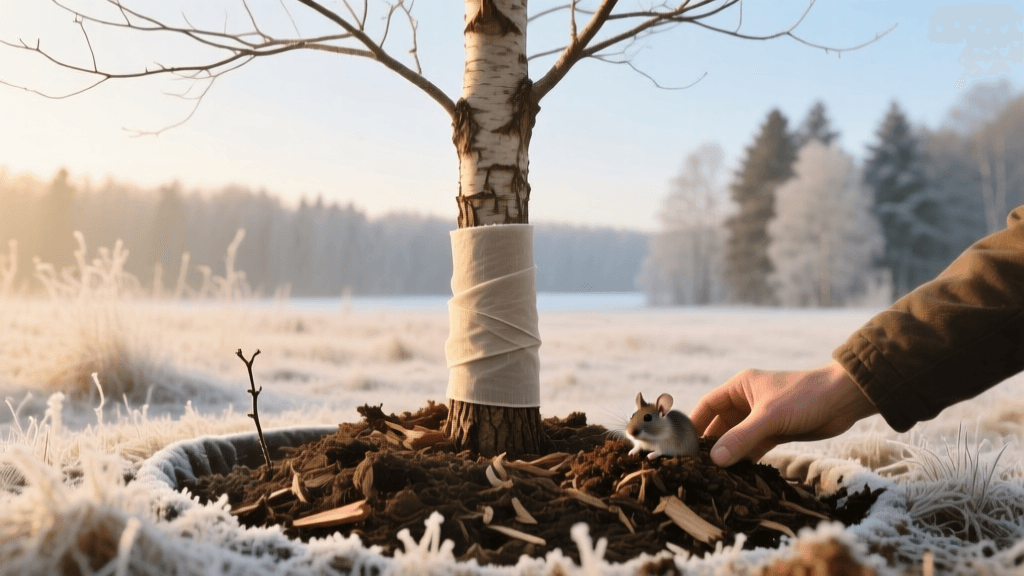
- Winter: Perform structural pruning while the tree is fully dormant. If you live in a zone with harsh winter winds, consider wrapping young trees with burlap to prevent desiccation and sunscald on the thin bark.
Conclusion
Growing a Japanese maple does not require a degree in horticulture. By selecting the right variety for your light conditions, planting it at the correct depth, and adhering to a mindful watering and mulching routine, your tree will reward you with decades of breathtaking beauty. Remember that tree care is a marathon, not a sprint. Be patient, observe how your tree responds to the changing seasons, and adjust your care accordingly. With these foundational steps, your Japanese maple will become the cherished focal point of your landscape for generations to come.