Pest Control
Beginner Guide to Lawn Grub Identification and Control
Introduction to Lawn Grubs
Every beginner gardener dreams of a lush, green carpet of grass, but few anticipate the hidden enemies lurking just beneath the soil surface. Lawn grubs are the larval stage of various beetles, and they feed aggressively on grassroots. If left unchecked, these pests can decimate a newly established lawn in a matter of weeks. This beginner-friendly guide will walk you through identifying, treating, and preventing grub damage using Integrated Pest Management (IPM) principles, ensuring your yard stays healthy and vibrant.
Understanding the Grub Lifecycle
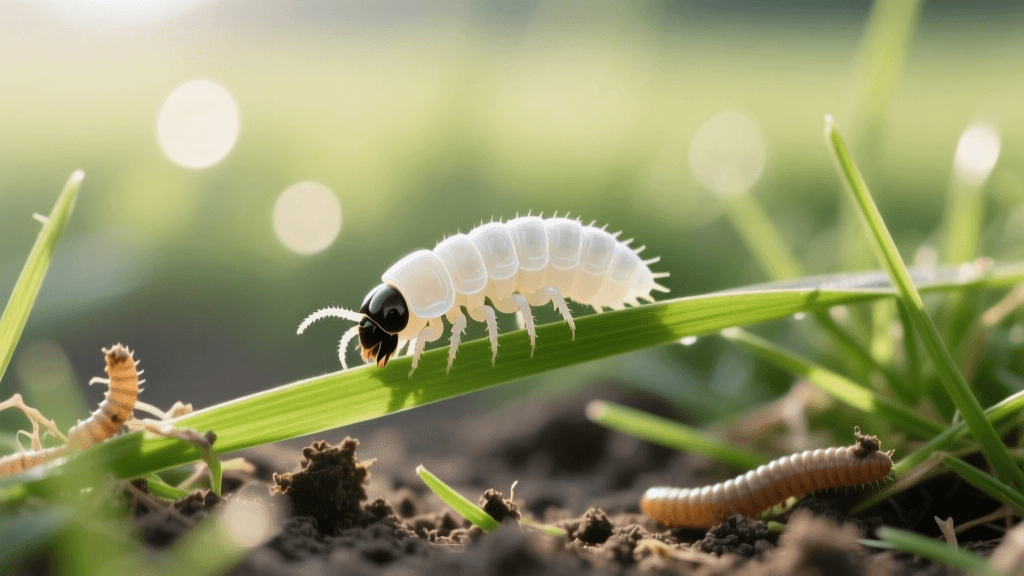
To effectively control grubs, you must first understand their lifecycle. Grubs are the immature, larval stage of scarab beetles, including Japanese beetles, June bugs, European chafers, and Asiatic garden beetles. They are easily identifiable by their plump, white, C-shaped bodies, brown heads, and six legs near the head.
The lifecycle generally spans one year. Adult beetles emerge in early summer to mate and lay eggs in the soil. By late summer, these eggs hatch into young grubs that immediately begin feeding on grassroots. As temperatures drop in late fall, they burrow deep into the soil to overwinter. In the spring, they return to the surface to feed again before pupating into adult beetles, starting the cycle anew. The most severe lawn damage typically occurs in late summer and early fall when the grubs are largest and most voracious.
How to Identify a Grub Infestation
Beginners often mistake grub damage for drought stress or fungal diseases because the initial symptom is wilting or browning grass. However, there are a few definitive ways to confirm a grub problem:
- The Tug Test: Grab a handful of brown grass and pull gently. If the turf rolls up like a loose carpet with little to no root resistance, grubs have likely severed the roots.
- Secondary Pest Activity: An influx of birds, skunks, raccoons, or moles tearing up your lawn is a massive red flag. These animals dig through the topsoil to feed on the protein-rich grubs.
- The Dig Test: Using a spade, cut a 12-inch by 12-inch square of turf about two inches deep and peel it back. Sift through the soil and count the grubs.
According to the University of Kentucky College of Agriculture, Food and Environment, finding 10 or more grubs per square foot is the economic threshold that warrants chemical or biological intervention. If you count fewer than 10, your lawn can typically outgrow the minor damage without the need for treatments.
Preventative vs. Curative Treatments
A common beginner mistake is applying the wrong product at the wrong time of year. Grub control products are strictly divided into two categories: preventatives and curatives.
Preventative treatments are applied in late spring to early summer. They target newly hatched, young grubs before they can cause significant damage. These products take time to break down in the soil and will not kill large, mature grubs.
Curative treatments are fast-acting insecticides applied in late summer or early fall when grubs are actively feeding near the surface. They are designed to stop an active infestation and kill mature grubs within days.
Grub Control Product Comparison Chart
| Treatment Type | Active Ingredient / Common Brand | Best Application Window | Target Stage | Est. Cost per 1,000 sq ft |
|---|---|---|---|---|
| Preventative Chemical | Chlorantraniliprole (Scotts GrubEx, Acelepryn) | April to June | Young Grubs | $15 - $20 |
| Preventative Chemical | Imidacloprid (Bayer Advanced Merit) | May to July | Young Grubs | $10 - $15 |
| Curative Chemical | Trichlorfon (Bayer Advanced 24-Hour Grub Killer) | August to October | Mature Grubs | $12 - $18 |
| Organic Biological | Heterorhabditis bacteriophora (Beneficial Nematodes) | Late Summer to Early Fall | Active Grubs | $25 - $35 |
| Organic Long-term | Paenibacillus popilliae (Milky Spore) | Spring or Fall | Japanese Beetle Grubs Only | $30 - $40 |
Organic and Biological Control Methods
For gardeners who prefer to avoid synthetic chemicals, organic and biological controls are highly effective when used correctly within an IPM framework.
Beneficial Nematodes
Beneficial nematodes are microscopic, unsegmented worms that naturally occur in soil. The species Heterorhabditis bacteriophora is a lethal parasite to lawn grubs. When applied to the lawn, these nematodes seek out grubs, enter their bodies, and release bacteria that kill the host within 48 hours. Beginner Tip: Nematodes are living organisms. You must buy them from a reputable supplier, store them in the refrigerator upon arrival, and apply them in the late afternoon or evening to protect them from UV light. The soil must be kept moist for at least a week after application.
Milky Spore Disease
Milky Spore is a naturally occurring bacterium (Paenibacillus popilliae) that specifically targets Japanese beetle grubs. It is applied as a powder or granule and can remain effective in the soil for up to 15 years. However, it is a slow-acting, long-term solution and will not control other grub species like European chafers or June bugs.
Step-by-Step Application Guide for Beginners
Whether you choose a synthetic preventative or an organic curative, proper application is critical for success. Follow these steps to ensure even coverage and maximum efficacy:
- Mow the Lawn: Mow your grass to a height of about 2.5 to 3 inches. Remove any heavy thatch or debris that might prevent the product from reaching the soil.
- Measure Your Lawn: Calculate the total square footage of your treatment area (Length x Width). Subtract the area of driveways, garden beds, and patios to avoid over-purchasing and over-applying.
- Calibrate Your Spreader: Check the product label for the recommended spreader setting. If using a broadcast spreader, fill the hopper while parked on a driveway to prevent accidental spills that could burn the grass.
- Apply in a Grid Pattern: Walk the perimeter of your lawn first. Then, apply the product in straight, overlapping lines (north to south). Make a second pass in the opposite direction (east to west) to ensure no stripes are missed.
- Water it In (Crucial Step): Grub control products must be washed off the grass blades and into the top 2 inches of soil where the grubs live. Apply 0.25 to 0.5 inches of water immediately after application. Use an empty tuna can placed in the yard to measure when you have applied enough water.
Cultural Prevention Strategies
The best defense against pests is a vigorous, deeply rooted lawn. By altering your lawn care habits, you can make your yard highly unattractive to egg-laying beetles.
- Water Deeply and Infrequently: Adult beetles prefer to lay eggs in moist, shallow topsoil. Watering your lawn deeply (1 inch per week) but less frequently encourages grassroots to grow deeper, making them more resilient to grub feeding and making the surface soil less appealing to beetles.
- Mow High: Keep your mower blade set to 3.5 or 4 inches. Taller grass shades the soil, retaining moisture for the roots while hiding the soil from aerial beetles looking for a place to lay eggs.
- Aerate Annually: Core aeration relieves soil compaction and breaks down thatch. A thick layer of thatch acts as a sponge, holding chemical preventatives before they can reach the soil where grubs reside.
Conclusion
Dealing with lawn grubs does not have to be overwhelming for beginners. By learning to properly identify the signs of damage, understanding the critical difference between preventative and curative treatments, and following precise application steps, you can protect your investment. Remember to integrate cultural practices like deep watering and high mowing to build a naturally resilient lawn that can withstand future pest pressures. With patience and the right strategy, your lawn will remain a lush, grub-free oasis for years to come.