Pest Control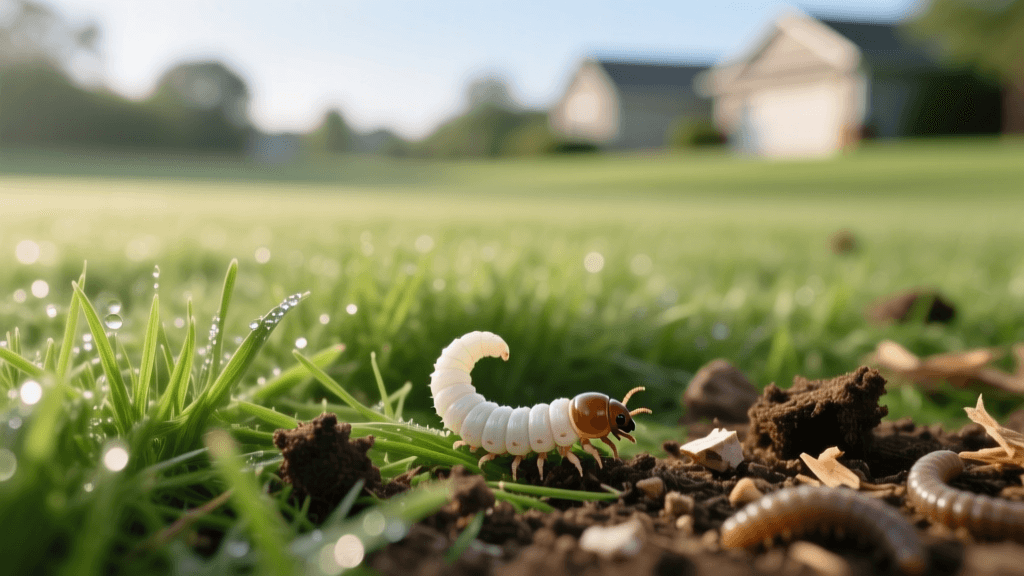
Beginner Guide to Lawn Grubs: Identify, Treat, and Prevent
What Are Lawn Grubs and Why Do They Damage Grass?
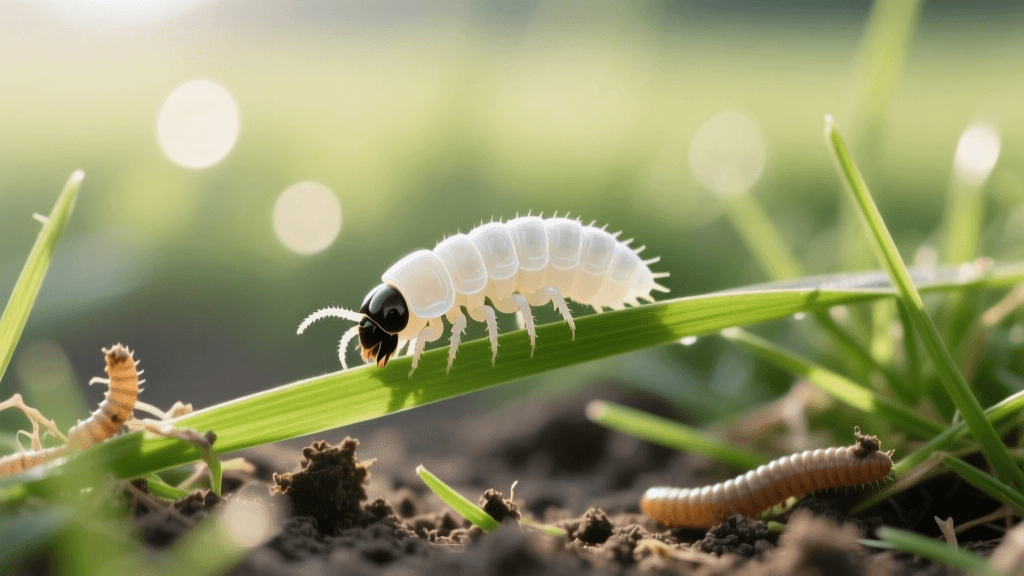
If you are a beginner to lawn care, discovering brown, dying patches of grass in your yard can be incredibly frustrating. While drought and disease are common culprits, one of the most destructive hidden enemies of a healthy lawn is the white grub. Grubs are the larval stage of various scarab beetles, including Japanese beetles, June bugs, and European chafers. They live just beneath the soil surface, feasting on the tender roots of your turfgrass.
When grubs chew through the root system, the grass loses its ability to absorb water and nutrients. This results in wilting, yellowing, and eventually large brown patches that can be rolled back like a loose carpet because the roots have been completely severed. Furthermore, a grub infestation often attracts secondary pests like skunks, raccoons, and crows, which will tear up your lawn to feast on the protein-rich larvae.
Understanding the Grub Life Cycle
To effectively control grubs, beginners must understand their life cycle. Timing is everything in pest management.
- Early Summer (June - July): Adult beetles emerge, mate, and lay eggs in the top few inches of your soil.
- Late Summer (August - September): Eggs hatch into young grubs. They begin feeding aggressively on grass roots to store fat for the winter. This is when the most severe lawn damage occurs.
- Late Fall to Early Spring: As temperatures drop, grubs burrow deep into the soil to overwinter. In spring, they move back up to feed briefly before pupating into adult beetles.
How to Identify a Grub Infestation: The Beginner's Test
Before you spend money on treatments, you must confirm that grubs are actually the problem. Do not assume every brown patch is caused by grubs; fungal diseases and dog urine spots look remarkably similar.
The Tug Test
Walk out to the edge of a brown patch where it meets the green grass. Grab a handful of turf and pull gently. If the grass lifts away from the soil easily with almost no resistance, the roots have likely been eaten.
The Soil Sampling Method
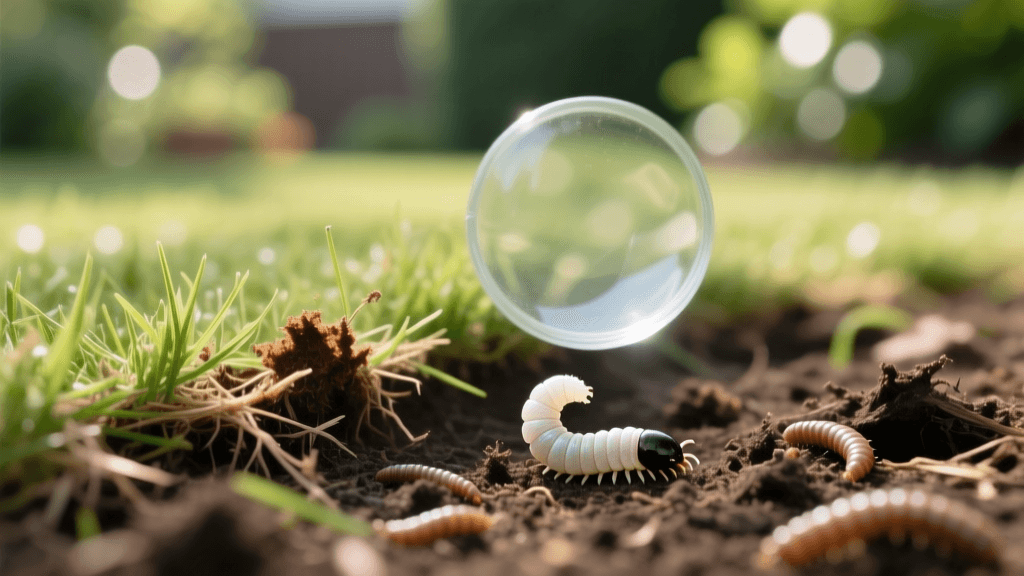
Using a flat shovel or a hand trowel, cut a 1-foot by 1-foot square of sod about 3 inches deep. Peel it back and examine the exposed soil and the underside of the turf. You are looking for plump, C-shaped, white larvae with brown heads and six legs near the thorax. Count the number of grubs you find in that single square foot, then replace the sod and water it.
The Golden Rule of Grub Thresholds
Beginners often panic and treat their lawn the moment they see a single grub. This is a mistake. A healthy lawn can easily tolerate a small number of grubs without showing any damage. According to turfgrass entomologists, you should only apply treatments when the population reaches a specific threshold.
According to the Purdue University Extension Entomology Department, treatment is only justified when grub populations exceed the threshold of 5 to 10 grubs per square foot. Indiscriminate spraying harms beneficial insects, disrupts the local ecosystem, and wastes resources.
If you count fewer than 5 grubs per square foot, focus on proper lawn watering and fertilization to help your grass outgrow the minor root damage.
Organic and Biological Grub Control Methods
For the eco-conscious beginner, integrated pest management (IPM) relies on biological controls. These methods are safe for pets, children, and beneficial pollinators.
Beneficial Nematodes
Nematodes are microscopic, naturally occurring worms that hunt down and infect grubs with a fatal bacteria. For grub control, you must purchase the specific species Heterorhabditis bacteriophora (Hb). Products like BioLogic's Ecomask are highly effective.
- Cost: Approximately $40 to $50 for 10 million nematodes (covers about 2,000 square feet).
- Timing: Apply in late summer (August to early September) when young grubs are actively feeding near the surface.
- Application Tip: Nematodes are living organisms. Apply them in the early evening or on a cloudy day to avoid UV light damage, and water the lawn immediately afterward to wash them into the soil.
Milky Spore Disease
Milky Spore (Paenibacillus popilliae) is a naturally occurring bacterium that specifically targets Japanese beetle grubs. When the grub ingests the spores, the bacteria multiply, eventually killing the pest and releasing billions of new spores back into the soil.
- Cost: Around $60 for a 40-ounce box (covers up to 10,000 square feet).
- Timing: Can be applied anytime the ground is not frozen, but early fall is ideal.
- Patience Required: Milky Spore takes 1 to 3 years to build up in the soil to effective levels, but once established, it can provide control for 10 to 15 years without reapplication.
Chemical Grub Control: Preventative vs. Curative
If your lawn has crossed the threshold of 10 grubs per square foot, or if you have a history of severe damage, chemical controls may be necessary. Chemicals are divided into two categories: preventatives and curatives.
Preventative Treatments
Preventatives are designed to kill grubs when they are very young and small. The most common active ingredient for home use is Chlorantraniliprole (found in Scotts GrubEx). It is highly effective and has a low toxicity profile for bees and earthworms.
- Timing: Must be applied in late spring or early summer (May to June) before the eggs hatch.
- Cost: Roughly $25 for a bag covering 5,000 square feet.
Curative Treatments
If you missed the preventative window and find large grubs destroying your lawn in late August or September, you need a curative product. Trichlorfon (found in Bayer Advanced 24 Hour Grub Killer) is a fast-acting contact poison that moves quickly through the soil.
- Timing: Late summer to early fall when grubs are actively feeding.
- Cost: Approximately $18 to $25 for a bag covering 5,000 square feet.
Grub Control Comparison Chart
| Control Method | Active Ingredient / Agent | Best Application Timing | Estimated Cost (per 5k sq ft) | Pros and Cons |
|---|---|---|---|---|
| Biological | Hb Nematodes | Late Summer (Aug-Sept) | $100 - $125 | Pro: 100% organic. Con: Short shelf life, requires precise watering. |
| Biological | Milky Spore | Spring or Fall | $30 - $40 | Pro: Long-term solution. Con: Takes years to work, only kills Japanese beetles. |
| Preventative Chemical | Chlorantraniliprole | Early Summer (May-June) | $20 - $25 | Pro: Safe for pollinators. Con: Useless if applied after grubs hatch. |
| Curative Chemical | Trichlorfon | Late Summer (Aug-Sept) | $18 - $25 | Pro: Kills grubs in 24 hours. Con: Degrades quickly, harsher on the environment. |
Step-by-Step Application Guide for Beginners
Whether you choose organic nematodes or a curative chemical, proper application is vital for success. Follow these steps:
- Mow the Lawn: Cut your grass to its normal height (about 3 inches). If using chemical granules, this ensures they reach the soil surface rather than getting caught in the grass blades.
- Apply the Product: Use a broadcast spreader for granular chemicals or a hose-end sprayer for liquid nematodes. Walk at a steady pace to ensure even coverage.
- Water Immediately: This is the most critical step. You must water the lawn with at least 0.5 inches of water immediately after application. This washes the active ingredient off the grass blades and down into the top 2 inches of soil where the grubs live.
- Keep the Soil Moist: For the next 7 to 10 days, maintain light soil moisture to allow the product to work and to keep the grubs near the surface feeding.
Repairing Grub Damage
Once the grubs are eliminated, you must repair the aesthetic damage to your yard. Rake away the dead, brown grass and loosen the topsoil with a garden rake. Apply a thin layer of compost or topsoil, and broadcast a high-quality grass seed that matches your existing lawn. Keep the seeded areas consistently moist until the new grass reaches mowing height.
Long-Term Prevention Strategies
The ultimate goal of integrated pest management is to create an environment where pests struggle to thrive. You can make your lawn highly resistant to future grub damage through proper cultural practices:
- Water Deeply and Infrequently: Grubs and the beetles that lay them prefer moist, shallow soil. By watering your lawn deeply (1 inch per week) but less frequently, you force grass roots to grow deep while allowing the topsoil to dry out slightly, which can kill beetle eggs before they hatch.
- Mow High: Keep your mower deck set to 3.5 or 4 inches. Taller grass shades the soil, making it less attractive to egg-laying beetles who prefer warm, sun-baked dirt. Taller grass also develops deeper, more robust root systems that can tolerate minor grub feeding without turning brown.
- Aerate Annually: Core aeration reduces soil compaction and encourages deep root growth, giving your turf the vigor needed to outgrow pest damage naturally.
By combining proper lawn care with targeted, threshold-based treatments, beginners can easily protect their turf from grubs while maintaining a safe, thriving, and beautiful landscape.