Lawn Care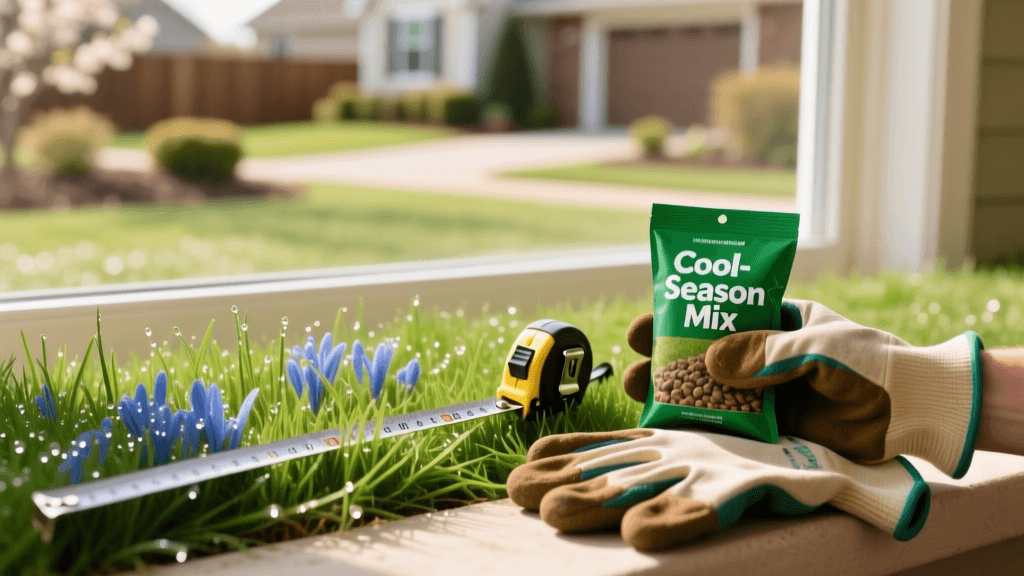
Beginner's Guide to Overseeding Cool-Season Lawns
Introduction to Overseeding for Beginners
Starting your lawn care journey can feel overwhelming, especially when you are staring at a patchy, thin yard that has seen better days. If you live in the northern half of the United States or in a transition zone, you likely have a cool-season lawn composed of Tall Fescue, Kentucky Bluegrass, or Perennial Ryegrass. Over time, these grasses naturally thin out due to heat stress, foot traffic, and disease. Overseeding is the process of planting new grass seed directly into your existing turf without tearing up the soil. This beginner-friendly guide will walk you through the exact steps, costs, and timelines required to transform a tired lawn into a lush, thick carpet of green.
Why Overseed Your Cool-Season Lawn?
Many beginners wonder why they cannot simply let their existing grass spread on its own. While Kentucky Bluegrass spreads via underground rhizomes, Tall Fescue and Perennial Ryegrass grow in clumps and do not naturally fill in bare spots. Overseeding provides several vital benefits:
- Thicker Turf: A dense lawn naturally chokes out weeds like crabgrass and dandelions by leaving no room for weed seeds to reach the soil.
- Improved Disease Resistance: Introducing newer, genetically improved grass cultivars helps your lawn resist common fungal issues like brown patch and dollar spot.
- Drought Tolerance: Modern fescue blends feature deeper root systems that require less irrigation during the peak of summer.
- Enhanced Color: Newer seed varieties offer a darker, richer green color compared to older, builder-grade grass seed.
When to Overseed: Timing is Everything
The single most common mistake beginners make is overseeding in the spring. While spring feels like the season of growth, planting cool-season grass in April or May sets your new seedlings up for failure. Young grass has shallow roots that cannot survive the brutal heat and drought of July and August. Furthermore, spring is the prime season for pre-emergent crabgrass preventers, which will stop your grass seed from germinating.
The absolute best time to overseed a cool-season lawn is in early fall, typically between late August and mid-October, depending on your specific hardiness zone. During this window, soil temperatures are still warm (around 60°F to 70°F), which promotes rapid seed germination, while the cooler air temperatures reduce heat stress on the young grass. Fall also brings more consistent rainfall and fewer competing weeds.
Tools and Materials You Will Need
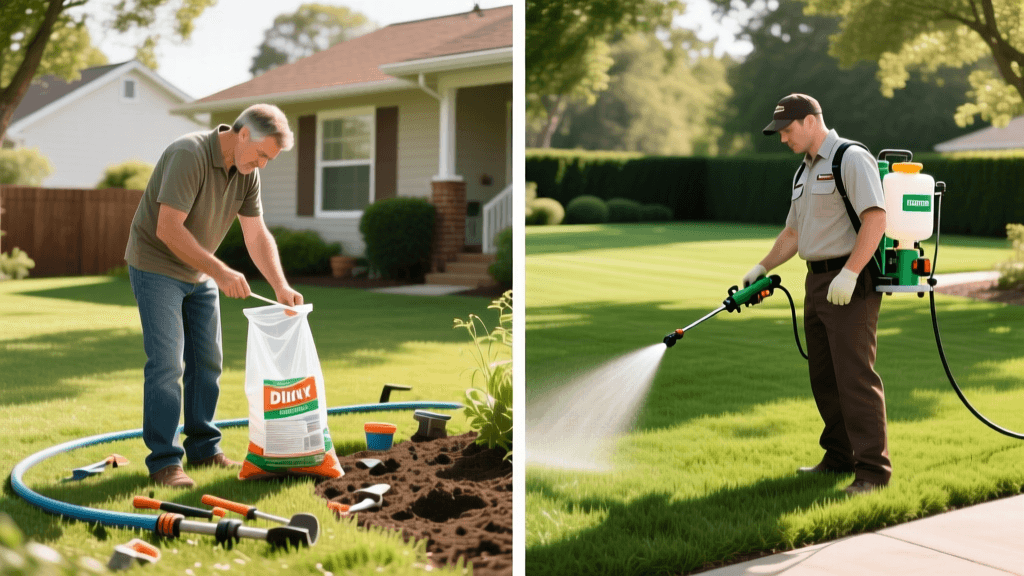
Before you begin, gather the necessary tools and materials. Here is a realistic breakdown of what you will need and the estimated costs for an average 5,000-square-foot lawn:
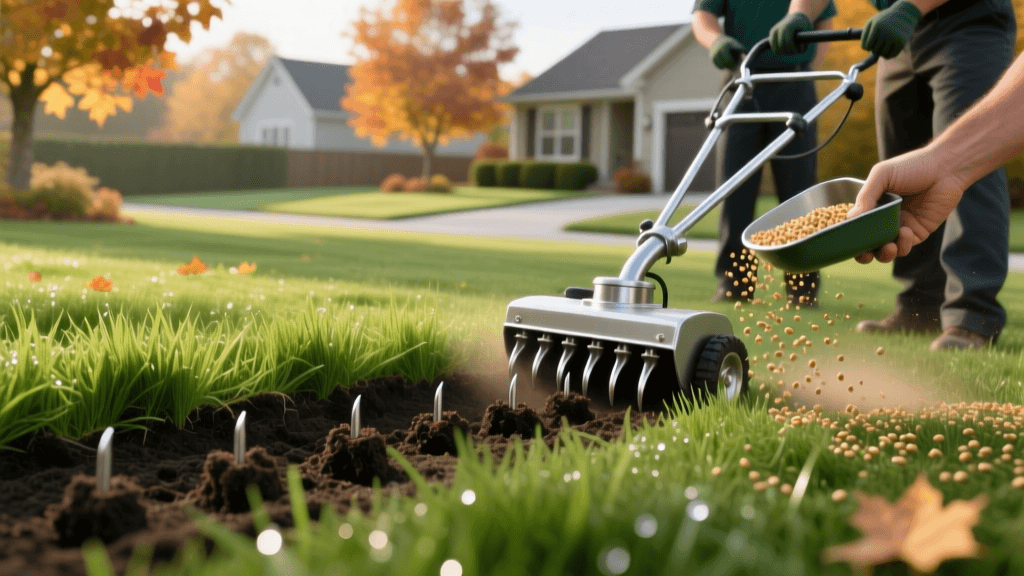
- Core Aerator Rental: $60 to $90 for a half-day rental from a local hardware store. Aeration pulls small plugs of soil from the ground, relieving compaction and creating perfect pockets for seed.
- High-Quality Grass Seed: $40 to $70. Look for premium brands like Jonathan Green Black Beauty Ultra or Scotts Turf Builder Grass Seed. Ensure the seed tag shows a weed seed content of less than 0.5% and zero noxious weeds.
- Starter Fertilizer: $25 to $40. A starter fertilizer high in phosphorus (the middle number on the bag, such as 10-18-10) is critical for root development. Scotts Turf Builder Starter Food for New Grass is a highly reliable option.
- Broadcast Spreader: $30 to $50. A rotary spreader like the Scotts EdgeGuard Mini ensures even distribution of both seed and fertilizer.
- Topsoil or Compost: $15 to $30. A thin layer of compost helps retain moisture around the seed.
Step-by-Step Overseeding Guide
Step 1: Mow the Lawn Short
Set your mower deck to its lowest setting, aiming for a grass height of about 1.5 to 2 inches. Bag the clippings to ensure the soil is as exposed as possible. This allows the new seed to make direct contact with the soil rather than getting trapped in a thick canopy of existing grass.
Step 2: Core Aerate the Soil
Run a core aerator over your entire lawn in two different directions (a crisscross pattern). This is especially important in high-traffic areas or lawns with heavy clay soil. Leave the extracted soil plugs on the lawn; they will break down naturally with the next few mows and return valuable microbes to the surface.
Step 3: Apply Starter Fertilizer
Using your broadcast spreader, apply a starter fertilizer according to the bag's coverage rates. Phosphorus is often restricted in many states due to environmental concerns, but most states allow exemptions for newly seeded lawns. Check your local regulations before purchasing.
Step 4: Spread the Grass Seed
Calibrate your spreader to the setting listed on the seed bag. For Tall Fescue, you will typically apply 5 to 8 pounds of seed per 1,000 square feet when overseeding. For Kentucky Bluegrass, the rate is much lower, around 1 to 2 pounds per 1,000 square feet. Walk in straight, overlapping lines to ensure even coverage and avoid striping.
Step 5: Top Dress and Rake
Lightly drag a landscaping rake or a piece of chain-link fence across the lawn to work the seed into the aeration holes. If you have severe bare spots, apply a quarter-inch layer of sifted compost or topsoil to protect the seed from birds and drying winds.
Step 6: Watering Routine (The Most Critical Step)
Grass seed must remain consistently moist to germinate. For the first 14 to 21 days, you must water lightly two to three times per day for about 10 to 15 minutes per zone. The goal is not to flood the lawn, but to keep the top half-inch of soil damp. If you are overseeding in early September, the natural morning dew will also assist in keeping the seed bed moist, slightly reducing your manual watering burden. However, never rely on dew alone. Consistent irrigation is the dividing line between a lush, successful renovation and a patchy, wasted effort. Once the seedlings reach 2 inches tall, transition to deeper, less frequent watering to encourage deep root growth.
Cool-Season Grass Seed Selection Chart
Choosing the right seed is paramount to your success. Use the chart below to determine which grass type best suits your yard's specific conditions.
| Grass Type | Best Environment | Overseeding Rate (per 1,000 sq ft) | Germination Time |
|---|---|---|---|
| Tall Fescue | Sunny areas, high traffic, drought-prone zones | 5 - 8 lbs | 7 - 14 days |
| Kentucky Bluegrass | Full sun, cooler northern climates, high aesthetic demand | 1 - 2 lbs | 14 - 30 days |
| Perennial Ryegrass | Quick erosion control, overseeding for rapid green-up | 4 - 6 lbs | 5 - 10 days |
| Fine Fescue | Heavy shade, low fertility soils, low traffic areas | 3 - 5 lbs | 7 - 14 days |
Common Beginner Mistakes to Avoid
Even with the best intentions, beginners often stumble during the overseeding process. Keep these warnings in mind to protect your investment:
- Using Pre-Emergent Herbicides: Never apply a crabgrass preventer in the fall if you plan to overseed. Pre-emergents cannot tell the difference between weed seeds and expensive grass seed; they will halt all germination.
- Overwatering to the Point of Runoff: Heavy watering will wash your seed into storm drains or pile it up in low spots. Light, frequent misting is the key to success.
- Mowing Too Early: Wait until the new grass reaches at least 3.5 inches tall before making your first mow. Ensure your mower blade is razor-sharp to avoid ripping the tender, young seedlings out of the soil.
- Buying Cheap Seed: Bargain bin grass seed often contains high percentages of weed seeds, annual ryegrass (which dies after one season), and filler material. Always read the seed tag on the back of the bag.
- Heavy Foot Traffic: Avoid heavy foot traffic on your newly seeded lawn for at least three to four weeks. The young root systems are incredibly fragile, and compaction from walking or playing can easily uproot the seedlings before they establish a firm grip in the soil.
Expert Insights and Citations
Proper lawn renovation requires adherence to scientifically backed horticultural practices. According to the Penn State Extension, proper soil preparation and seed-to-soil contact are the primary determinants of overseeding success.
'The success of overseeding depends heavily on proper soil preparation and seed-to-soil contact. Core aeration is vastly superior to simple spike aeration, as spike aeration actually increases soil compaction around the holes.' - Penn State Extension Turfgrass Specialists
Furthermore, university extensions universally agree that fall is the premier season for cool-season turf establishment, noting that spring seedlings rarely survive their first summer without intensive, costly irrigation regimens. By following this beginner-friendly guide, investing in premium materials, and respecting the biological timelines of cool-season grasses, you are well on your way to cultivating a resilient, vibrant lawn. Remember that lawn care is a marathon, not a sprint. Your fall overseeding efforts will pay dividends the following spring when your yard wakes up thicker, greener, and more resilient than ever before. Pair this fall routine with a proper spring weed control and fertilization schedule, and you will have a professional-grade lawn right in your own backyard.