Pest Control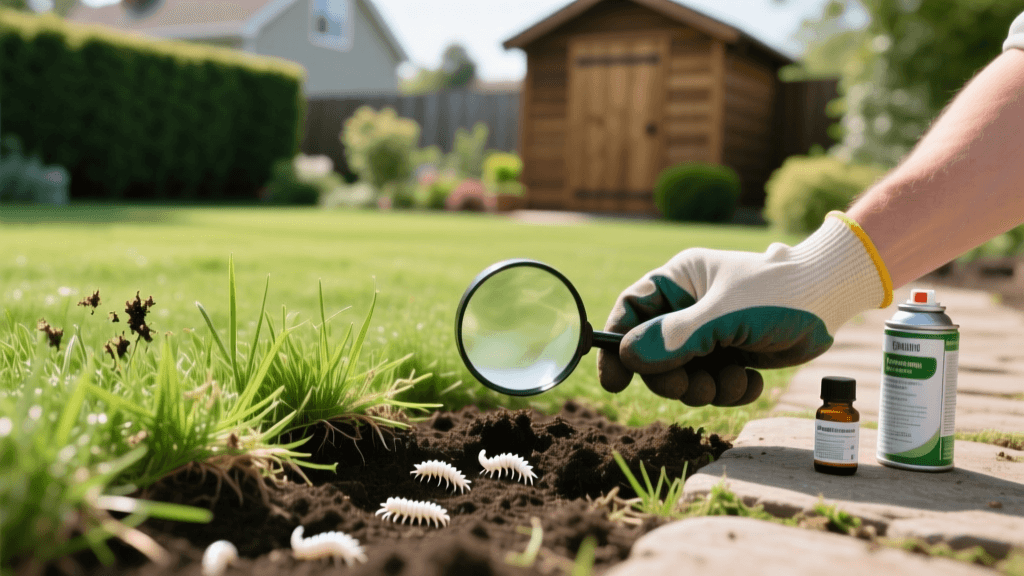
Beginner's Guide to Identifying and Treating Lawn Grubs
What Exactly Are Lawn Grubs?
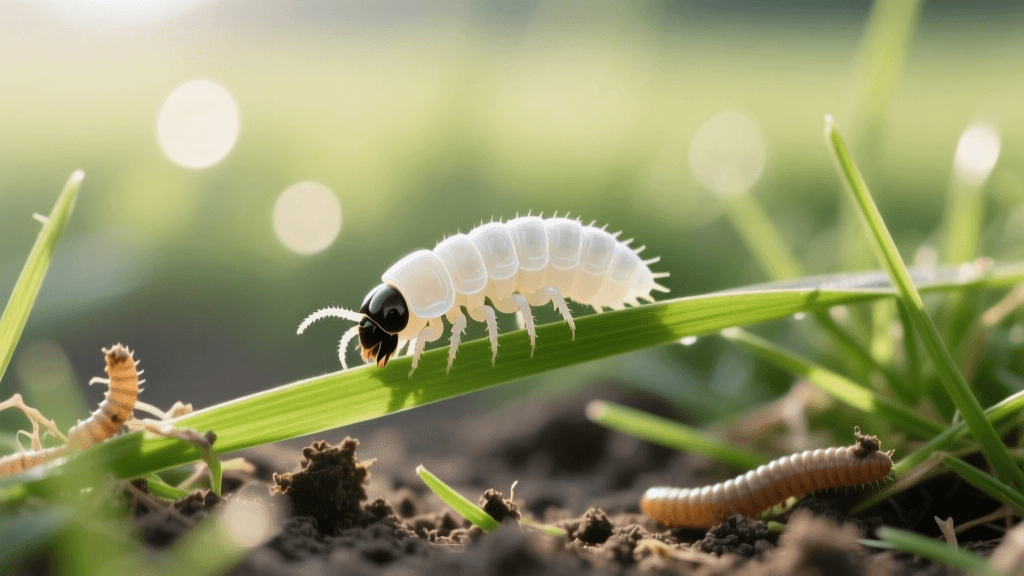
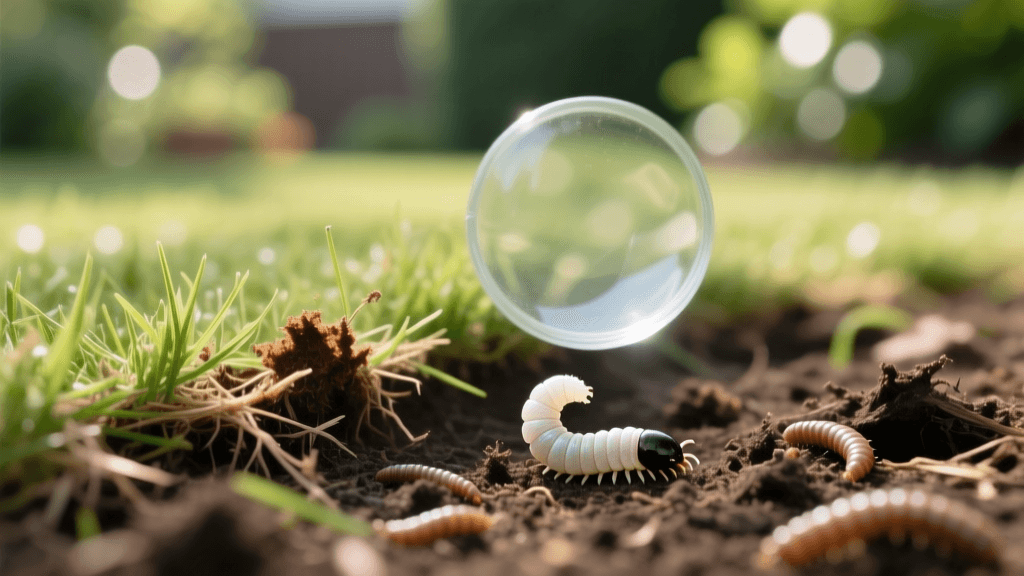
If you are a beginner to lawn care, noticing large, irregular brown patches in your yard can be incredibly frustrating. While drought and disease are common culprits, one of the most destructive hidden enemies of a healthy lawn is the grub. Grubs are the larval stage of scarab beetles, including Japanese beetles, June bugs, and European chafers. They are plump, C-shaped, white worms with brown heads and six legs near the head. Living just beneath the soil surface, they feast on the roots of your turfgrass, severing the plant's ability to take up water and nutrients. Understanding how to identify and manage these pests is a foundational skill in Integrated Pest Management (IPM) for any new homeowner or gardening enthusiast.
How to Identify a Grub Infestation
Before you purchase any treatment, you must confirm that grubs are actually the problem. Applying pesticides blindly is bad for the environment and your wallet. Look for these primary symptoms:
- Irregular Brown Patches: Grass turns brown and dies in irregular shapes, often starting in sunny or stressed areas of the lawn.
- The 'Tug Test': Grab a handful of brown grass and pull gently. If the turf rolls back like a loose carpet with no roots holding it down, grubs have likely eaten the root system.
- Animal Digging: Skunks, raccoons, armadillos, and crows love to eat grubs. If you notice your lawn has been torn up or peppered with small holes overnight, animals are likely foraging for a grub buffet.
The Square Foot Dig Test
To know for sure, you need to count them. Use a spade to cut three sides of a one-square-foot section of turf, about 3 inches deep. Peel the sod back and sift through the soil. Count the number of C-shaped grubs you find. Repeat this in three different areas of your lawn and calculate the average.
The Soap Drench Test
If you want to bring grubs and other soil-dwelling pests to the surface without digging, mix 2 tablespoons of lemon-scented dish soap into 2 gallons of water. Pour this mixture over a 1-square-foot area. The soap irritates the grubs, forcing them to the surface within 10 minutes for easy counting.
Common Lawn Grub Species Identification
Not all grubs are the same. Identifying the specific species can help you choose the right biological control. You can identify them by looking at the 'raster pattern' (the arrangement of tiny hairs and bristles on their underside, just above the tail).
| Grub Species | Adult Beetle Form | Raster Pattern & Identification | Primary Damage Season |
|---|---|---|---|
| Japanese Beetle | Metallic green and copper | V-shaped bristle pattern on the raster | Late Summer to Fall |
| European Chafer | Light brown/tan | Y-shaped raster pattern; very destructive | Fall and early Spring |
| June Bug (Phyllophaga) | Dark brown/black | Parallel rows of bristles; zipper-like | Late Spring to Summer |
Understanding the Grub Life Cycle and Treatment Timing
Timing is the most critical factor in grub control. Adult beetles lay their eggs in the soil in mid-to-late summer. These eggs hatch into young, ravenous grubs in August and September. As winter approaches, they dig deep into the soil to hibernate, returning to the surface in spring to feed briefly before pupating into adults.
When to treat: The best time to apply curative treatments is in late summer (August to early September) when the grubs are small, near the surface, and highly susceptible to treatments. Spring treatments are often ineffective because the grubs are large, resistant, and preparing to pupate. Spring is better reserved for applying long-residual preventatives aimed at the next generation of eggs.
Beginner-Friendly Treatment Options
Once you have confirmed an infestation (generally 5 to 10 grubs per square foot), you must choose a treatment path. Here is a breakdown of organic and chemical options, including estimated costs and application tips.
Organic and Biological Controls
For beginners looking to maintain an eco-friendly yard, biological controls are highly effective and safe for pets and pollinators.
- Milky Spore (Paenibacillus popilliae): A naturally occurring bacterium that specifically targets Japanese beetle grubs. It takes 1 to 3 years to fully establish in the soil but can provide control for up to 15 years. Cost: $40 to $60 for a 10 oz shaker.
- Beneficial Nematodes (Heterorhabditis bacteriophora): Microscopic worms that hunt down and infect grubs with a fatal bacteria. They must be applied when the soil is moist and temperatures are between 60°F and 85°F. Keep the lawn watered for a week after application. Cost: $30 to $50 per million nematodes.
- Btg (Bacillus thuringiensis galleriae): A newer organic bacterial strain (found in products like grubGONE!) that paralyzes the grub's digestive system. It works similarly to chemical curatives but is entirely organic. Cost: $35 to $50.
Chemical Controls: Preventatives vs. Curatives
If your infestation is severe and you need immediate results, synthetic chemicals are the standard route.
- Preventatives (Chlorantraniliprole or Imidacloprid): Products like Scotts GrubEx (Chlorantraniliprole) are applied in spring or early summer. They create a protective zone in the soil that kills grubs as they hatch. They do not kill existing, large grubs. Cost: $20 to $30.
- Curatives (Trichlorfon): Products like Dylox act quickly, killing active grubs within 24 to 48 hours. This is your go-to option in late summer or early fall when damage is actively occurring. Cost: $25 to $40.
Your Step-by-Step Action Plan
- Scout and Verify: Perform the square foot dig test in late summer. If you count fewer than 5 grubs per square foot, your lawn can likely recover on its own with proper watering.
- Mow Low: Before applying any treatment, mow your lawn slightly shorter than usual to allow the product to reach the soil surface easily.
- Apply the Treatment: Use a broadcast spreader for granular products or a hose-end sprayer for liquids. Follow the label rates exactly—more is not better and can harm the environment.
- Water Immediately: This is the most common beginner mistake. Grub treatments must be watered into the soil. Apply 0.5 inches of water immediately after application to wash the active ingredient off the grass blades and into the root zone where the grubs live.
- Repair the Damage: Once the grubs are eliminated, rake away dead grass, loosen the topsoil, and overseed the bare patches with a matching grass seed blend in early fall.
Long-Term Prevention Strategies (IPM)
Integrated Pest Management (IPM) focuses on making your lawn naturally resistant to pests rather than relying solely on chemicals. Grubs thrive in weak, shallow-rooted lawns. To prevent future outbreaks:
- Water Deeply and Infrequently: Frequent, shallow watering encourages shallow grass roots and keeps the topsoil moist, which is perfect for egg survival. Water your lawn deeply (1 inch per week) to encourage deep, resilient roots that can survive minor grub feeding.
- Mow High: Set your mower deck to 3.5 or 4 inches. Taller grass shades the soil, making it harder for adult beetles to lay eggs, and promotes a massive root system that can outgrow grub damage.
- Encourage Beneficial Insects: Plant diverse flowering borders around your yard to attract ground beetles and predatory wasps, which naturally hunt scarab beetle larvae and adults.
According to the Penn State Extension, 'A healthy lawn can tolerate a surprising number of grubs. Treatment is generally only warranted when you find 5 to 10 or more grubs per square foot.' This emphasizes the importance of scouting and establishing economic thresholds before spending money on treatments or introducing chemicals into your local ecosystem.
— Penn State Extension, Department of Entomology
Final Thoughts for Beginners
Dealing with lawn grubs does not have to be overwhelming. By taking the time to properly identify the pest, understanding the life cycle, and choosing the right treatment at the exact right time, you can save your turf. Start with the soap drench test, evaluate your threshold, and decide whether an organic nematode application or a targeted curative chemical best fits your lawn care philosophy. With patience and proper IPM practices, your lawn will bounce back stronger and more resilient than before.