Pest Control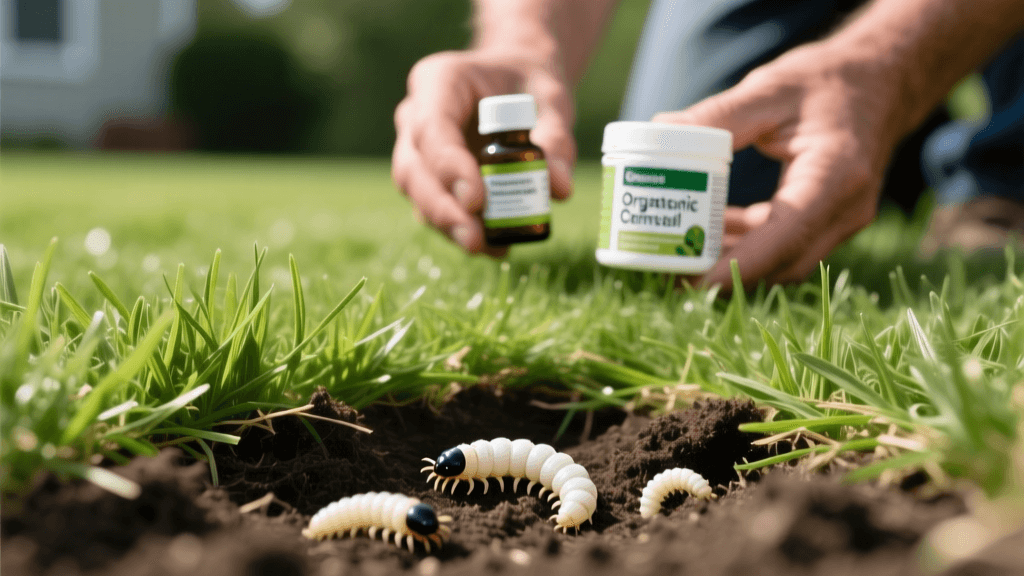
A Beginner Guide to White Grub Control in New Lawns
The Hidden Threat Beneath Your New Lawn
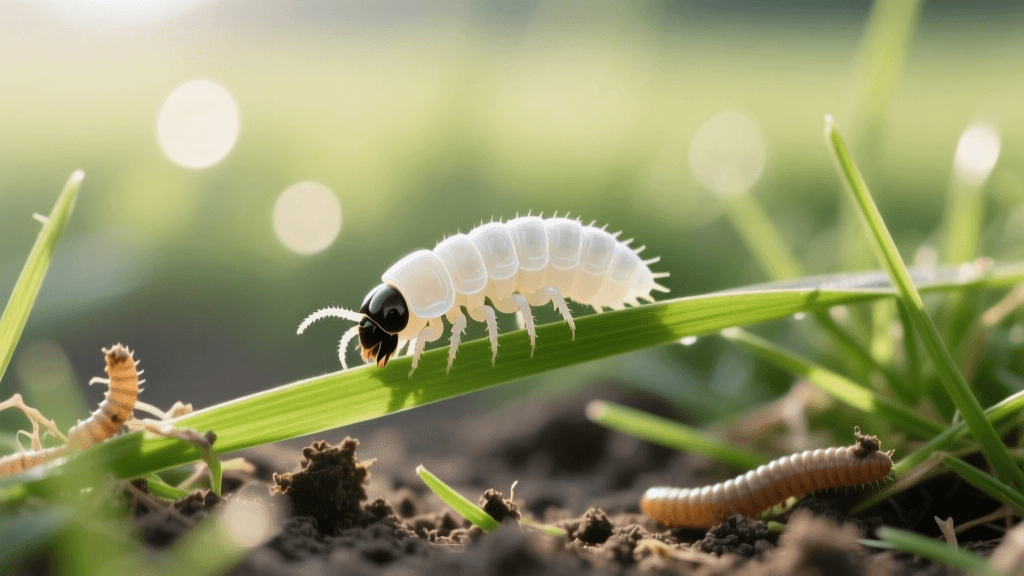
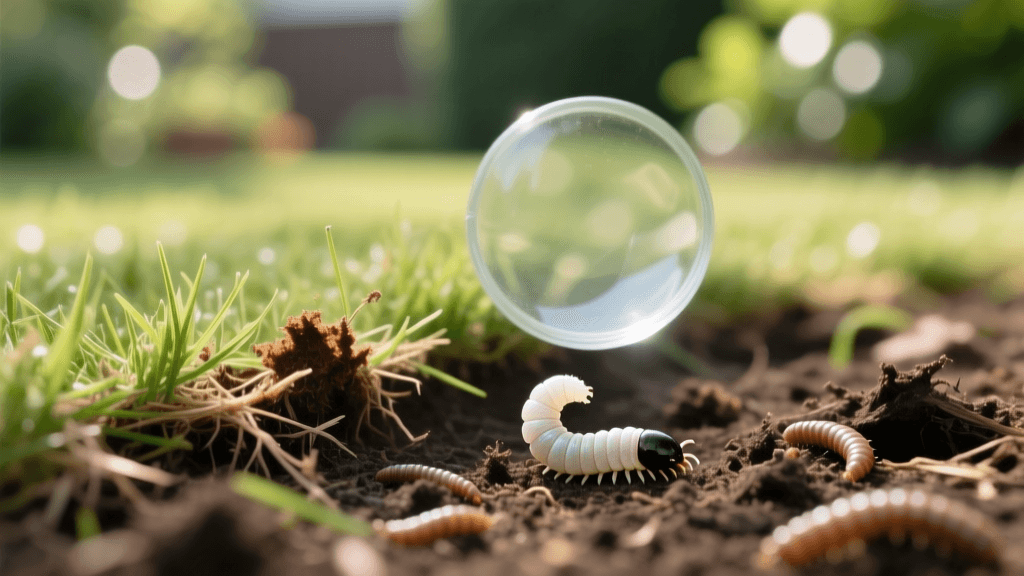
When you are first learning how to grow and establish a new lawn, it is easy to focus entirely on seed selection, soil preparation, and watering schedules. However, as a beginner gardener, you must also prepare for the unseen enemies that lurk beneath the soil surface. White grubs—the larval stage of various beetle species such as Japanese beetles, June bugs, and European chafers—are among the most destructive pests a new lawn can face. These C-shaped, creamy-white larvae feed aggressively on grassroots, severing the plant from its water and nutrient supply.
For new lawns with shallow, undeveloped root systems, a grub infestation can be catastrophic. Entire sections of your carefully grown turf can detach from the soil and die within weeks. This beginner-friendly growing guide will walk you through the identification, life cycle, and step-by-step treatment of white grubs, ensuring your new lawn survives its first vulnerable seasons.
Identifying White Grubs: Signs and Symptoms
Because grubs live underground, beginners often mistake grub damage for drought stress, fungal diseases, or dog urine spots. To accurately diagnose a grub problem, look for the following primary and secondary indicators:
- Spongy Turf: Walk across your lawn. If the ground feels unusually spongy or loose underfoot, grubs may have eaten the roots anchoring the soil.
- The Tug Test: Grab a handful of brown, dying grass and pull gently. If the turf rolls back like a loose carpet with no resistance, the roots have been severed.
- Visible Larvae: Peel back the rolled turf. You should see white, C-shaped grubs with brown heads and six legs near the soil line. Finding more than 5 to 10 grubs per square foot indicates a severe infestation requiring immediate treatment.
- Animal Damage: Secondary signs include skunks, raccoons, and crows tearing up your lawn. These animals can smell the protein-rich grubs and will dig deep, cone-shaped holes to feast on them, often causing more cosmetic damage than the grubs themselves.
Understanding the Grub Life Cycle
Timing is the most critical factor in pest control. Applying the wrong treatment at the wrong time is a common beginner mistake that wastes money and harms the environment. Most turf-destroying grubs follow a one-year life cycle:
Summer (June to August)
Adult beetles emerge, mate, and lay eggs in the top inch of your soil. By mid-to-late August, these eggs hatch into tiny, first-instar grubs. At this stage, they are highly susceptible to preventative pesticides and biological controls.
Fall (September to November)
The grubs are now in their second and third instars. They are large, hungry, and cause the majority of the visible lawn damage as they gorge on grassroots to store fat for winter. As soil temperatures drop below 50°F (10°C), they burrow deep into the soil to hibernate.
Spring (March to May)
Grubs return to the surface to feed briefly before pupating into adult beetles. Spring damage is usually less severe than fall damage, and the grubs are larger and harder to kill with curative chemicals.
Preventative vs. Curative Grub Control Strategies
When planning your lawn care calendar, you must decide whether to use a preventative approach (stopping them before they cause damage) or a curative approach (killing them while they are actively destroying your lawn). Below is a comparison chart to help you choose the right product.
| Control Type | Active Ingredient / Method | Best Application Timing | Target Life Stage | Estimated Cost (per 5,000 sq ft) |
|---|---|---|---|---|
| Preventative (Chemical) | Chlorantraniliprole | April to June | Eggs and 1st Instar | $25 - $35 |
| Preventative (Chemical) | Imidacloprid / Clothianidin | June to mid-July | Eggs and 1st Instar | $20 - $30 |
| Curative (Chemical) | Trichlorfon (Dylox) | August to September | 2nd and 3rd Instar | $30 - $45 |
| Organic (Biological) | Hb Nematodes (Heterorhabditis bacteriophora) | August to October | All Instars | $40 - $65 |
| Organic (Bacterial) | Milky Spore (Paenibacillus popilliae) | Spring or Fall | Japanese Beetle Grubs Only | $50 - $70 |
Step-by-Step Organic Grub Control for Beginners
If you are growing an eco-friendly lawn or want to protect local pollinators and earthworms, organic and biological controls are excellent choices. They require a bit more patience but offer long-term, sustainable results.
Beneficial Nematodes (Hb Strain)
Beneficial nematodes are microscopic, unsegmented worms that naturally hunt soil-dwelling pests. For grub control, you must specifically purchase the Heterorhabditis bacteriophora (Hb) strain, as other strains target different pests like fungus gnats.
- Measurement: Apply approximately 1 billion nematodes per 1/2 acre (or 20,000 square feet).
- Application: Mix the nematode powder with water in a hose-end sprayer. Apply in the early evening or on a cloudy day, as UV light kills them instantly.
- Watering: You must water the lawn immediately before and after application to wash the nematodes into the soil and keep the ground moist for the next 7 to 10 days.
- Cost: Expect to pay between $40 and $60 for a high-quality, refrigerated batch from suppliers like Arbico Organics.
Milky Spore Disease
Milky Spore is a naturally occurring bacterium that targets only Japanese beetle grubs. It does not harm beneficial insects or earthworms. When a grub ingests the spore, the bacteria multiply, turning the grub's internal fluids milky white and killing it within 7 to 21 days. The dead grub releases billions of new spores into the soil, creating a self-sustaining defense that can last 10 to 15 years. Note that it takes 2 to 3 years for the spore count to build up to fully effective levels, making it a long-term investment rather than a quick fix.
Step-by-Step Chemical Control Methods
For beginners dealing with an active, severe infestation that threatens to destroy a newly seeded lawn, fast-acting chemical curatives may be necessary.
Using Trichlorfon (Dylox)
Products containing Trichlorfon, such as BioAdvanced 24 Hour Grub Killer Plus, are the gold standard for curative fall treatments. They penetrate the soil quickly and kill large, third-instar grubs within 24 hours.
- Measurement: Apply at a rate of 1.5 to 2 pounds per 1,000 square feet, depending on the specific product label.
- Timing: Apply in late August or early September when grubs are actively feeding near the surface.
- Watering: Water the lawn with at least 1/2 inch of water immediately after application to activate the granules and push the chemical into the root zone.
- Safety Warning: Trichlorfon degrades rapidly in high-pH soils (above 7.2) and can be harmful to aquatic life. Always sweep stray granules off driveways and back onto the lawn to prevent runoff into storm drains.
Using Chlorantraniliprole (Preventative)
If you prefer to prevent the issue entirely, Scotts GrubEx1 (Chlorantraniliprole) is a highly effective, low-toxicity preventative. It must be applied in spring (April to June) so it can break down in the soil and be ready when eggs hatch in August. It is exceptionally safe for pollinators and earthworms compared to older neonicotinoids.
Repairing Grub Damage in Your Lawn
If the grubs have already destroyed patches of your new lawn, pest control is only the first step. You must actively repair the turf to prevent weeds from taking over the bare soil.
- Remove Dead Turf: Use a thatch rake to aggressively remove the dead, rootless grass and debris.
- Loosen the Soil: Use a garden cultivator or stiff rake to scratch and loosen the top 1/2 inch of the exposed soil.
- Overseed: Apply a high-quality grass seed that matches your existing lawn. For cool-season lawns, Kentucky Bluegrass or Tall Fescue blends are ideal. Apply at a rate of 4 to 6 pounds per 1,000 square feet for patch repair.
- Topdress and Water: Cover the seed with a thin layer (1/4 inch) of peat moss or compost to retain moisture. Water lightly 2 to 3 times a day until the seeds germinate, then transition to deep, infrequent watering to encourage deep root growth.
Expert Insights and Authoritative Citations
Integrated Pest Management (IPM) emphasizes treating pests only when they reach a threshold that causes economic or aesthetic damage. As a beginner, it is vital to rely on university-backed research rather than marketing claims.
According to the Purdue University Extension, 'The most effective time to apply preventative grub control products is between mid-June and mid-July, before the eggs hatch and the young grubs begin feeding on the grassroots. Curative treatments applied in the spring are largely ineffective because the grubs are mature and preparing to pupate.'
Furthermore, the Cornell University Integrated Pest Management guidelines recommend the 'Tug Test' and digging up 1-square-foot sections of turf in multiple areas of the lawn to accurately count grub populations before committing to a chemical treatment. If you find fewer than 5 grubs per square foot, your new lawn's root system is likely robust enough to outgrow the damage without the need for intervention.
By understanding the life cycle of the white grub, choosing the right organic or chemical intervention, and timing your application perfectly, you can protect your new lawn and ensure it grows into a thick, resilient, and vibrant landscape for years to come.