Pest Control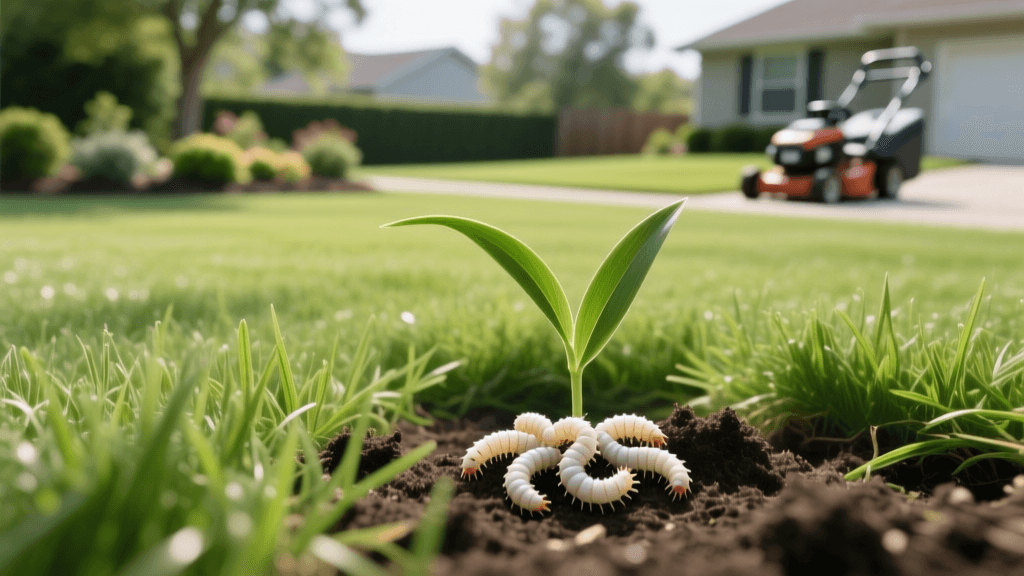
The Beginner's Guide to Lawn Grub Control and Care
Understanding the Hidden Threat: What Are Lawn Grubs?
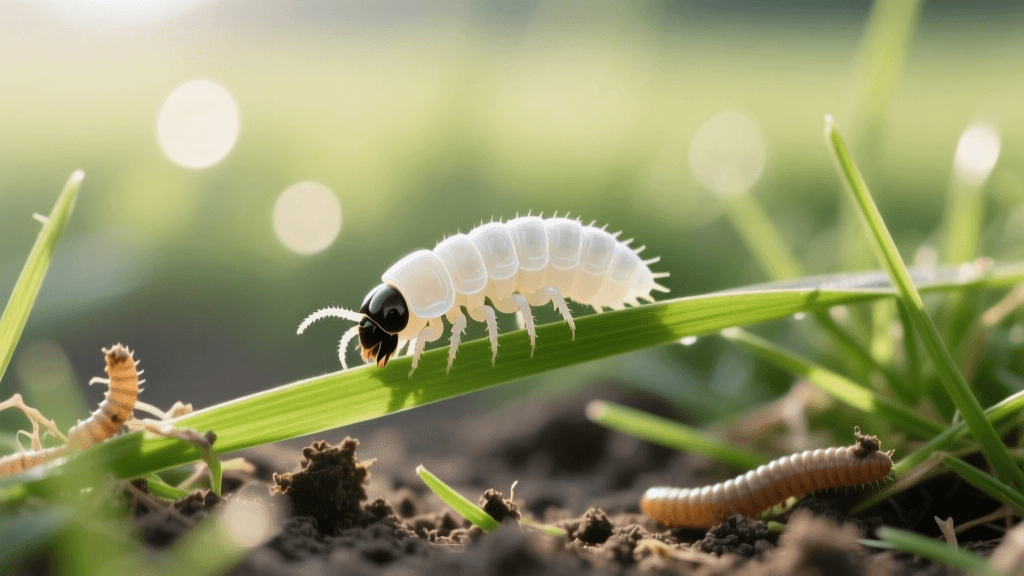
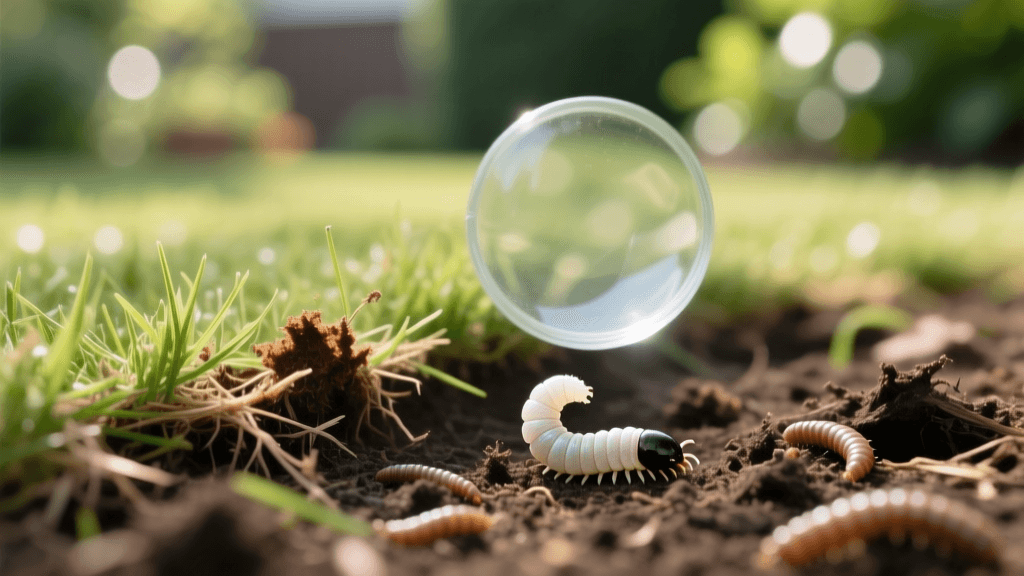
When you're just starting out with lawn care, few things are more frustrating than watching your grass turn brown and die—even when you’re watering regularly and mowing on schedule. Often, the problem isn’t up top. It’s underground. Lawn grubs—the white, C-shaped larvae of beetles like Japanese beetles, June bugs, and European chafers—are common pests for new gardeners. They feed on grass roots, which weakens the turf and cuts off its access to water and nutrients.
Don’t worry—grub problems are manageable once you know what to look for and when to act. This guide walks you through spotting an infestation, picking a treatment, and fixing the damage, all without needing professional help.
The Grub Life Cycle: Timing is Everything
Grubs follow a predictable pattern each year, and knowing it helps you time treatments right. The main beetles that lay grub eggs in North America are Japanese beetles, June bugs, and European chafers.
- Early Summer (June - July): Adult beetles fly in, mate, and lay eggs just under the soil surface.
- Late Summer (August - September): Eggs hatch into young grubs. They’re small, active, and feeding near the surface—this is when you’ll start seeing brown patches and loose sod.
- Late Fall (October - November): As temperatures drop, grubs dig deeper to stay below the frost line for winter.
- Spring (April - May): Grubs come back up to feed briefly before turning into adult beetles and starting the cycle over.
This timing matters because a preventative treatment applied in fall won’t do anything, and a curative one applied too early in spring may miss the grubs while they’re still deep or not yet feeding heavily.
Spotting the Signs: Do You Actually Have Grubs?
Before buying any treatment, make sure grubs are really the issue. Brown spots can also come from dry weather, fungus, or even pet urine. Watch for these three signs:
1. The Animal Digging Indicator
Skunks, raccoons, armadillos, and crows love digging for grubs. If you wake up to chunks of sod flipped over and your yard looks like it’s been raked by something with claws, grubs are likely the reason.
2. The Tug Test
Go to the edge of a brown patch where it meets green grass. Grab a handful of turf and pull gently upward. If it lifts easily—like carpet with no roots holding it down—grubs have probably eaten through the root system.
3. The Shovel Test (Counting the Grubs)
To be sure, count them. Use a flat-edged shovel to cut a 1-foot by 1-foot square of sod, about 2 inches deep. Peel it back and look through the soil and roots. Count how many fat, white, C-shaped grubs you see.
According to the Cornell University College of Agriculture and Life Sciences, a healthy lawn can handle quite a few grubs. Treatment usually isn’t needed unless you find more than 8 to 15 grubs per square foot, depending on how strong your grass is and whether animals are already feeding on them. If you count fewer than 5 per square foot, your lawn will likely recover on its own.
Comparing Grub Control Methods: Organic vs. Chemical
Once you’ve confirmed a grub count above the threshold, it’s time to pick a treatment. Here’s a comparison of common options you’ll find at most garden centers.
| Treatment Type | Active Ingredient / Organism | Best Time to Apply | Est. Cost per 1,000 sq ft | Pros & Cons |
|---|---|---|---|---|
| Preventative Chemical | Chlorantraniliprole (e.g., Scotts GrubEx) | Late Spring / Early Summer | $12 - $15 | Safe for bees and pets once dry; lasts through the season; doesn’t kill grubs already present. |
| Curative Chemical | Trichlorfon (e.g., BioAdvanced 24-Hour Grub Killer) | Late Summer / Early Fall | $14 - $18 | Kills active grubs in about a day; breaks down quickly in soil. |
| Organic Biological | Beneficial Nematodes (Heterorhabditis bacteriophora) | Late Summer | $18 - $25 | Fully organic; safe for people, pets, and wildlife; works best when soil is moist and warm. |
| Long-term Organic | Milky Spore Disease (Paenibacillus popilliae) | Spring or Fall | $25 - $35 | Only affects Japanese beetle grubs; takes 2–3 years to build up in the soil. |
Step-by-Step Application Guide for Beginners
Applying grub control is simple, but skipping a step can mean it doesn’t work. These steps apply to granular chemical or organic preventative products:
- Mow the Lawn: Cut your grass a little shorter than usual so the granules reach the soil instead of getting caught in the blades.
- Calibrate Your Spreader: Check the product label for the right spreader setting. A broadcast spreader gives even coverage. Slightly overlapping your passes helps avoid gaps where grubs could survive.
- Apply the Product: Spread the granules evenly over the damaged areas and extend about 5 feet into the healthy grass around them.
- Water Immediately: You need to wash the product off the grass and into the top 2 inches of soil, where the grubs live. Use a hose-end sprinkler or irrigation system to apply exactly 0.5 inches of water. Place empty tuna cans on the lawn and time how long it takes to fill them halfway—that’s your target.
- Keep Off the Grass: Wait until the lawn is fully dry before letting kids or pets back on it.
Repairing Grub Damage: Bringing Your Lawn Back
If you caught the problem late and have big dead patches, killing the grubs is only the first part. You’ll need to reseed those bare spots before weeds move in.
Step 1: Remove Dead Turf
Use a heavy metal leaf rake to scrape away the dead, rootless grass. You want bare soil showing so new seed makes direct contact with the ground.
Step 2: Add a Thin Layer of Topsoil
Spread about a quarter-inch of good lawn topsoil or compost over the bare areas. This gives new seed a nutrient-rich base to grow in.
Step 3: Overseed and Fertilize
Pick a grass seed that matches what’s already growing (like Tall Fescue for cool-season lawns or Bermuda for warm-season ones). Apply it at the rate listed on the bag, then add a starter fertilizer high in phosphorus to support strong root growth.
Step 4: Maintain Moisture
New seed needs steady moisture. Water the patched areas lightly 2–3 times a day for the first two weeks, until the grass grows tall enough to mow.
Final Thoughts on Long-Term Prevention
A thick, healthy lawn is the best defense against grubs. They have a harder time surviving in turf with deep, strong roots. Stick to a simple routine: water deeply but less often, mow at the right height (never cutting off more than one-third of the blade), and aerate once a year. Watch for adult beetles in early summer, and do the shovel test in August. With that, you’ll keep your lawn green—and grub-free—for years.