Pest Control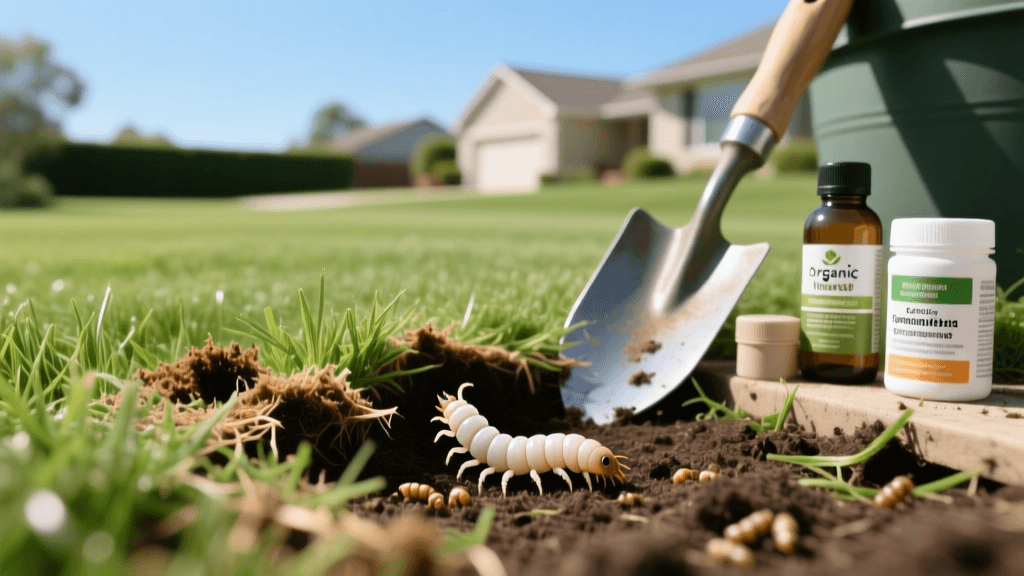
Beginner Guide To Lawn Grub Control And Prevention
Introduction: The Hidden Threat Beneath Your Lawn
Starting a new lawn or taking over the care of an existing one is an exciting journey for any beginner gardener. You spend hours selecting the right grass seed, testing your soil, and establishing a watering schedule. However, one of the most common and destructive hurdles you will face is entirely out of sight. Lawn grubs, the subterranean larvae of scarab beetles, can silently devour the root system of your beautiful turf, turning a lush green oasis into a patchy, brown wasteland in a matter of weeks. For beginners, diagnosing and treating a grub infestation can feel overwhelming due to the hidden nature of the pest and the specific timing required for effective intervention. This comprehensive, beginner-friendly guide will demystify lawn grubs, teaching you how to identify an infestation, understand their life cycle, and choose between organic and chemical control methods to protect your investment.
What Are Lawn Grubs and Why Do They Damage Turf?
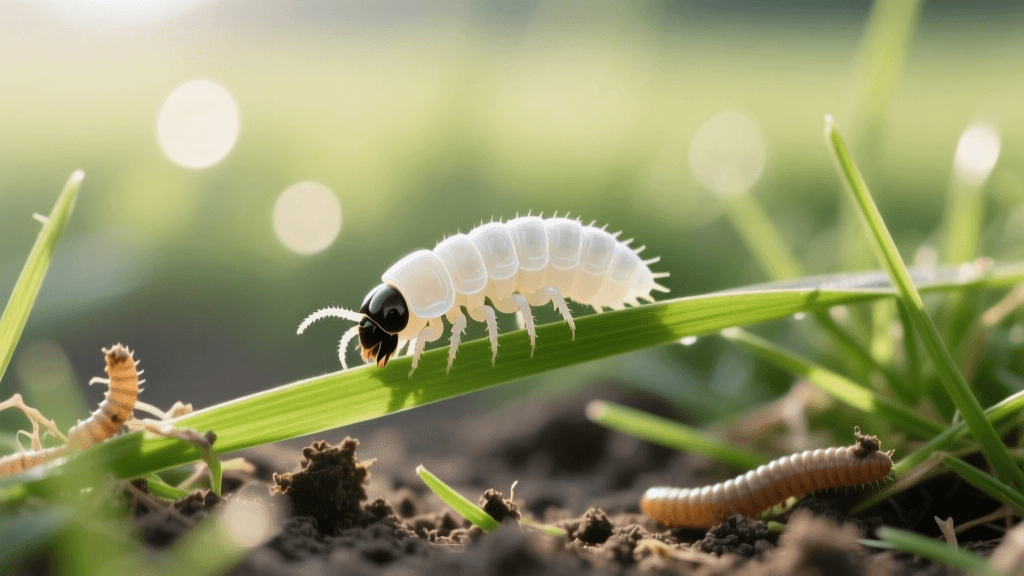
Lawn grubs, commonly referred to as white grubs, are the immature larval stage of various scarab beetles, including Japanese beetles, June bugs, and European chafers. These C-shaped, creamy-white larvae with distinct brown heads and six legs near the thorax live just beneath the soil surface. They feed aggressively on the roots of grass, severing the plant's connection to water and nutrients. Because the damage occurs underground, the above-ground symptoms often mimic drought stress or fungal diseases, leading many beginners to misdiagnose the problem and waste time and money on unnecessary fungicides or extra irrigation.
How to Identify a Grub Infestation
Catching a grub problem early is the key to saving your lawn. Look for the following telltale signs before reaching for a pesticide:
- Irregular Brown Patches: Unlike the uniform browning caused by drought, grub damage appears as irregular, spongy brown patches that can be rolled back like a carpet because the roots have been entirely consumed.
- Increased Animal Activity: If you notice raccoons, skunks, or armadillos digging up your yard, or flocks of starlings and crows pecking at the soil, they are likely foraging for a protein-rich grub buffet.
- The Tug Test: Walk to the edge of a brown patch where it meets green grass. Grab a handful of turf and gently pull. If the grass lifts away from the soil with zero resistance, you likely have a severe grub infestation.
- The Soap Flush Test: Mix two tablespoons of liquid dish soap with one gallon of water and pour it over a one-square-foot area of suspected turf. Wait ten minutes. If grubs are present, they will surface to escape the soapy water, making them easy to count.
Threshold for Treatment: According to integrated pest management (IPM) principles, a few grubs are normal and actually serve as food for beneficial birds. Treatment is generally only recommended if you find more than five to ten grubs per square foot.
Understanding the Grub Life Cycle
To successfully control grubs, beginners must understand that timing is everything. Applying the wrong product at the wrong time of year is the most common mistake in lawn care. Most scarab beetles follow an annual life cycle:
- Early Summer (June - July): Adult beetles emerge, mate, and lay eggs in the soil.
- Late Summer (August - September): Eggs hatch into young, small grubs. These young grubs are actively feeding near the surface and are highly susceptible to both organic and chemical treatments. This is the ideal window for curative and preventative controls.
- Late Fall to Winter (November - March): As soil temperatures drop, grubs burrow deep below the frost line to hibernate. They are untreatable during this phase.
- Spring (April - May): Grubs return to the surface to feed briefly before pupating into adult beetles. They are large, resistant to most pesticides, and cause minimal damage compared to late summer.
Comparing Grub Control Methods: Organic vs. Chemical
Choosing the right treatment depends on your gardening philosophy, budget, and the current time of year. Below is a structured comparison of the most effective beginner-friendly options available on the market.
| Treatment Type | Active Ingredient / Organism | Best Time to Apply | Estimated Cost (per 1,000 sq ft) | Pros & Cons |
|---|---|---|---|---|
| Organic Curative | Heterorhabditis bacteriophora (Beneficial Nematodes) | Late Summer (Aug - Sep) | $10.00 - $15.00 | Pros: 100% natural, safe for pets, kills grubs in 48 hours. Cons: Requires precise soil moisture and temperature; live organisms can expire. |
| Organic Preventative | Paenibacillus popilliae (Milky Spore Disease) | Spring or Fall | $8.00 - $12.00 | Pros: Long-term soil inoculation (lasts 10+ years). Cons: Takes 2-3 years to build up effectiveness; specific only to Japanese beetle grubs. |
| Chemical Preventative | Chlorantraniliprole (e.g., Scotts GrubEx1) | Spring to Early Summer (May - Jun) | $4.00 - $6.00 | Pros: Long residual control, low toxicity to bees and mammals. Cons: Must be applied before eggs hatch; ineffective on existing large grubs. |
| Chemical Curative | Trichlorfon (e.g., Bayer Advanced 24 Hour Grub Killer) | Late Summer to Early Fall (Aug - Sep) | $5.00 - $7.00 | Pros: Fast-acting, kills active grubs within 24 hours. Cons: Short residual life, highly toxic to aquatic life, requires immediate watering. |
Deep Dive: Using Beneficial Nematodes
For organic gardeners, beneficial nematodes are a miracle of nature. These microscopic, unsegmented worms naturally occur in soil but can be applied in high concentrations to hunt down grubs. You must purchase the Heterorhabditis bacteriophora (Hb) strain, as it actively seeks out and infects scarab larvae. Once inside the grub, the nematode releases a bacteria that kills the host within 48 hours. The nematodes then reproduce inside the carcass and release thousands of offspring into the soil to hunt for more grubs. Because they are living creatures, you must order them from reputable suppliers, keep them refrigerated upon arrival, and apply them during overcast conditions or in the evening to protect them from UV light.
Deep Dive: Chemical Preventatives vs. Curatives
Beginners often confuse preventative and curative chemicals. Preventatives like Chlorantraniliprole (Acelepryn) or Imidacloprid (Merit) act as a shield. They are applied in early summer and remain in the soil, killing young grubs as they hatch and begin to feed. Curatives like Trichlorfon (Dylox) are the emergency response. If you missed the preventative window in spring and discover an active infestation in late August, a curative product will penetrate the soil and kill the actively feeding grubs rapidly. However, curatives break down quickly in the soil and will not protect your lawn the following year.
Step-by-Step Treatment Guide for Beginners
Follow this actionable workflow to ensure your chosen treatment is effective:
- Mow the Lawn: Cut your grass to your standard height and remove any heavy thatch buildup. Thatch acts as a barrier, preventing granular or liquid treatments from reaching the soil.
- Pre-Water (For Nematodes): If using beneficial nematodes, water the lawn lightly before application to moisten the soil surface, aiding nematode mobility.
- Apply the Product: Use a calibrated broadcast spreader for granular chemicals or a hose-end sprayer for liquid nematodes. Ensure even coverage across the entire lawn, not just the brown spots, as grubs will migrate.
- Water Immediately (Crucial Step): For all granular chemicals and nematodes, you must water the lawn with at least 0.25 to 0.5 inches of water immediately after application. This washes the active ingredient off the grass blades and into the soil zone where the grubs live. Use a rain gauge or a flat-bottomed tuna can to measure the water output.
- Monitor and Repair: Wait two to three weeks for the grubs to die off. Once the pest population is eradicated, you can begin the repair process.
Repairing Grub Damage and Restoring Your Turf
Once the grubs are eliminated, your lawn will still feature dead patches that require rehabilitation. Begin by raking out the dead, loose grass and debris to expose the bare soil. If the soil has been severely disturbed by foraging animals, use a garden rake to level the surface. Apply a thin layer (about 1/4 inch) of compost or topsoil to provide a nutrient-rich seedbed. Overseed the bare patches with a high-quality grass seed that matches your existing lawn. Keep the newly seeded areas consistently moist, watering lightly two to three times a day, until the new grass reaches a height of two inches. Applying a starter fertilizer at the time of seeding will accelerate root development and help the new turf blend seamlessly with the rest of your yard.
Long-Term Prevention and IPM Strategies
Integrated Pest Management (IPM) emphasizes creating an environment where pests struggle to thrive, reducing the need for chemical interventions. A healthy, robust lawn is your best defense against scarab beetles, which prefer to lay eggs in thin, stressed, and short-cut turf.
- Mow High: Maintain your grass at a height of 3 to 4 inches. Taller grass develops deeper, more resilient root systems that can tolerate minor grub feeding without showing surface damage. Furthermore, tall grass shades the soil, making it less attractive to egg-laying female beetles.
- Water Deeply and Infrequently: Provide your lawn with 1 to 1.5 inches of water per week, applied in one or two deep sessions. This encourages deep root growth and allows the top layer of soil to dry out between waterings, which can desiccate vulnerable newly hatched grub eggs.
- Manage Thatch: A thatch layer thicker than 0.5 inches harbors pests and blocks water and nutrients. Core aerate your lawn annually in the fall to alleviate compaction and break down thatch naturally.
Expert Insight: According to the Penn State Extension and the University of California Agriculture and Natural Resources (UC ANR) IPM programs, preventative cultural controls and targeted biological treatments should always precede broad-spectrum chemical applications. By fostering a biologically active soil ecosystem rich in predatory ants, ground beetles, and beneficial nematodes, homeowners can naturally suppress white grub populations below damaging thresholds without disrupting local pollinator habitats.
Conclusion
Conquering lawn grubs is a rite of passage for every beginner gardener. By learning to identify the subtle signs of root damage, respecting the biological life cycle of the scarab beetle, and choosing the right treatment at the exact right time, you can protect your turf from subterranean destruction. Whether you opt for the ecological balance of beneficial nematodes or the reliable protection of modern chemical preventatives, consistent monitoring and sound cultural practices will ensure your lawn remains a vibrant, resilient landscape for years to come.