Pest Control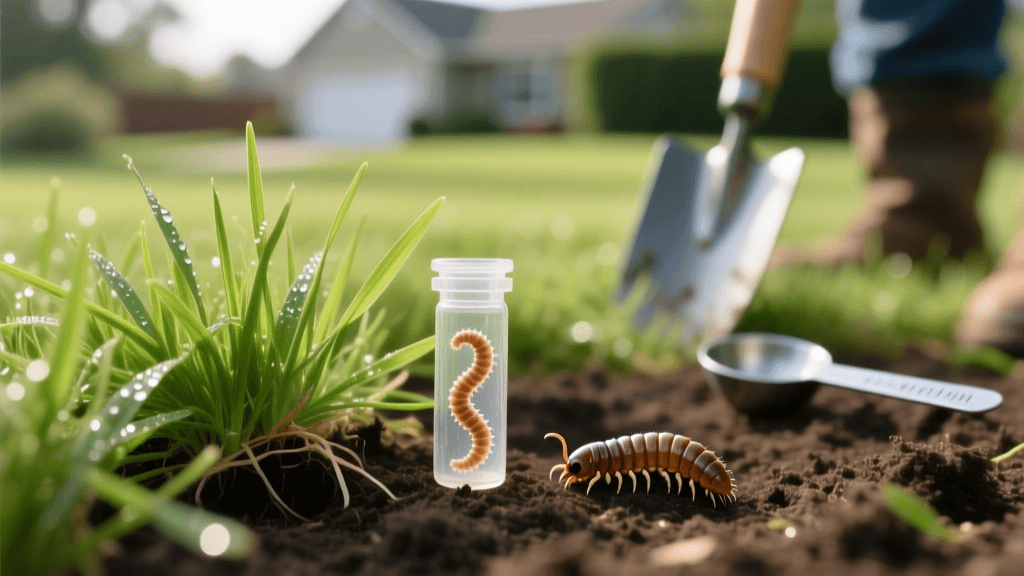
Beginner Guide to Organic Grub Control With Nematodes
Understanding the Enemy: What Are Lawn Grubs?
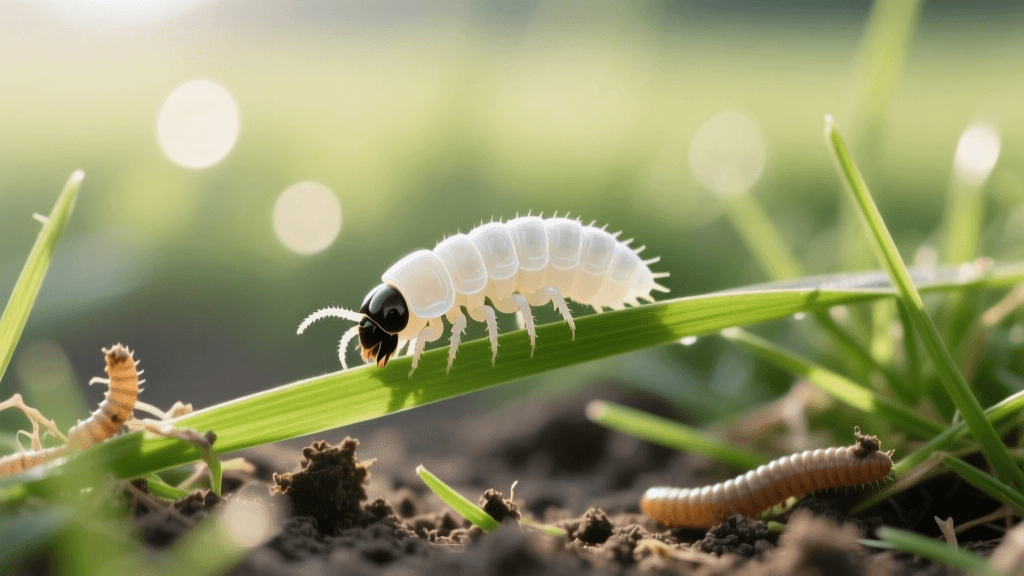
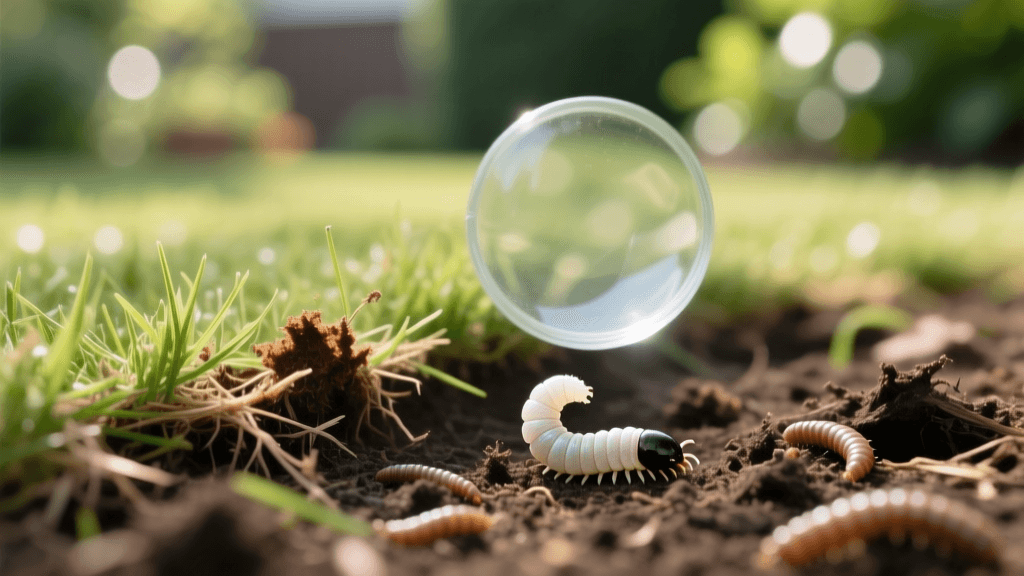
If you are a new homeowner or a beginner gardener, discovering irregular brown patches in your lawn can be incredibly frustrating. Often, the culprit is hiding just beneath the soil surface: the lawn grub. Grubs are the larval stage of various scarab beetles, including the infamous Japanese Beetle, June Bug, and Masked Chafer. They are typically C-shaped, plump, white or cream-colored, and feature distinct brown heads and six legs near their front end.
Grubs feed aggressively on grassroots, severing the plant's connection to the soil and causing the grass above to wither, turn brown, and die. A secondary symptom of a grub infestation is damage from foraging animals. Raccoons, skunks, and crows will happily tear up your lawn like a carpet to feast on these protein-rich larvae. If your turf feels spongy when you walk on it, or if you can easily roll back patches of dead grass to reveal a dozen or more grubs per square foot, it is time to take action.
Why Beneficial Nematodes Are Perfect for Beginners
When beginners discover a grub problem, their first instinct is often to run to the garden center and buy a harsh chemical pesticide. However, Integrated Pest Management (IPM) principles encourage us to look for effective, environmentally safe alternatives first. Enter beneficial nematodes.
Nematodes are microscopic, unsegmented roundworms that occur naturally in soils worldwide. While some nematodes harm plants, specific entomopathogenic (insect-killing) nematodes are lethal to soil-dwelling pests like grubs, but completely harmless to humans, pets, earthworms, and beneficial pollinators. They work by entering the grub through natural body openings, releasing a symbiotic bacteria that kills the host within 24 to 48 hours, and then reproducing inside the carcass to hunt for more pests.
Comparison: Nematodes vs. Chemical Grub Controls
To understand why nematodes are an excellent choice for beginner-friendly, organic lawn care, review the comparison table below:
| Feature | Beneficial Nematodes (Hb) | Imidacloprid (Chemical) | Chlorantraniliprole (Chemical) |
|---|---|---|---|
| Toxicity to Pets/Kids | None (Safe immediately) | Moderate (Requires drying time) | Low (But requires caution) |
| Impact on Pollinators | Zero impact | High risk to bees if misapplied | Lower risk, but still a concern |
| Speed of Results | 1 to 3 weeks | 2 to 4 weeks | 1 to 3 months (Preventative) |
| Soil Health Impact | Improves soil biology | Can harm beneficial microbes | Mildly disruptive |
The Grub Life Cycle: Timing Is Everything
As a beginner, the most common mistake you can make is applying a treatment at the wrong time of year. To use nematodes effectively, you must understand the grub life cycle. Adult beetles lay eggs in your lawn in mid-to-late summer. These eggs hatch in August and September, resulting in young, small grubs that feed voraciously near the soil surface before winter.
According to the Penn State Extension Department of Entomology, late summer to early fall (August through late September) is the absolute best time to treat grubs biologically. During this window, the grubs are small, their exoskeletons are softer, and they are highly susceptible to nematode infection. By late October, grubs burrow deep below the frost line to hibernate, making them virtually unreachable until spring, when they are larger and more resistant to biological controls.
Step-by-Step Guide to Applying Beneficial Nematodes
Applying nematodes is remarkably easy, but because they are living organisms, they require specific handling. Follow this beginner-friendly protocol for guaranteed success.
Step 1: Purchase the Correct Species
Not all nematodes hunt grubs. You must purchase the species Heterorhabditis bacteriophora (often abbreviated as Hb). Other common species like Steinernema feltiae (Sf) are better suited for fungus gnats and fleas, and will not effectively control deep-dwelling grubs. Popular, reliable commercial products for beginners include Arbico Organics NemaSeek Hb and BioLogic's Ecomask. Always order from a supplier that guarantees live delivery and ships with cold packs.
Step 2: Prepare Your Lawn
Nematodes need moisture to travel through the soil pores to find their prey. One day before application, water your lawn deeply. Apply about 0.5 inches of water to ensure the top 3 to 4 inches of soil are moist but not waterlogged. Mow your lawn slightly shorter than usual to allow the nematode solution to reach the soil surface easily.
Step 3: Mix and Apply
Nematodes are typically sold in sponges, gels, or clay powders.
- Measurements: For an active infestation, apply 1 million nematodes per 1,000 square feet. For preventative maintenance, 1 million per 2,000 square feet is sufficient.
- Mixing: Fill a clean bucket with 1 to 2 gallons of cool, unchlorinated water (let tap water sit for 24 hours to allow chlorine to dissipate, as chlorine kills nematodes). Submerge the sponge or mix the powder into the water, stirring gently for 3 minutes to ensure an even suspension.
- Application: Pour the mixture into a hose-end sprayer or a watering can. Apply evenly over the affected areas. If using a hose-end sprayer, ensure any pesticide/fertilizer residue is completely cleaned out of the tank first.
Step 4: Post-Application Watering
Immediately after applying the nematodes, water the lawn again with about 0.25 inches of water. This washes the nematodes off the grass blades and down into the soil where they belong. For the next 7 to 10 days, you must keep the soil consistently moist. Water lightly every morning or every other morning. If the soil dries out, the nematodes will die before they can infect the grubs.
Common Beginner Mistakes to Avoid
Even with the best intentions, beginners can accidentally sabotage their nematode application. Avoid these pitfalls:
- Applying in Direct Sunlight: UV rays are lethal to nematodes. Always apply your treatment in the early morning, late evening, or on a heavily overcast day.
- Using Expired Nematodes: Nematodes have a shelf life of about 2 to 3 weeks in the refrigerator. Do not buy them in advance and leave them in a hot mailbox.
- Ignoring Soil Temperature: Nematodes are most active when soil temperatures are between 60°F and 90°F. If a cold snap drops soil temps below 55°F, delay your application.
Cost Breakdown and Expected Results
Organic pest control is highly cost-effective when you factor in the long-term health of your soil. A package containing 10 million Heterorhabditis bacteriophora nematodes typically costs between $35.00 and $45.00. This single package is enough to treat up to 10,000 square feet for preventative care, or roughly 5,000 square feet for a heavy, active infestation. Compared to hiring a professional chemical lawn service, which can cost $50 to $100 per application, the DIY nematode route saves money while protecting local ecosystems.
Within 10 to 14 days of application, you should notice a halt in new brown patches. If you dig up a small 1-foot square section of previously infested turf, the grubs should appear brick-red or dark brown—a clear visual indicator that the nematode bacteria have done their job.
Expert Citations and Further Reading
'Biological control of white grubs using entomopathogenic nematodes, specifically Heterorhabditis bacteriophora, has shown high efficacy in field trials when applied during the early larval stages in late summer. Proper soil moisture and UV protection are critical for success.' — University of California Statewide Integrated Pest Management Program (UC IPM)
By embracing beneficial nematodes, beginners can effectively manage lawn grubs without resorting to synthetic chemicals. This approach aligns perfectly with modern Integrated Pest Management strategies, ensuring your lawn remains a safe, vibrant environment for your family, pets, and local wildlife for years to come.