
Landscaping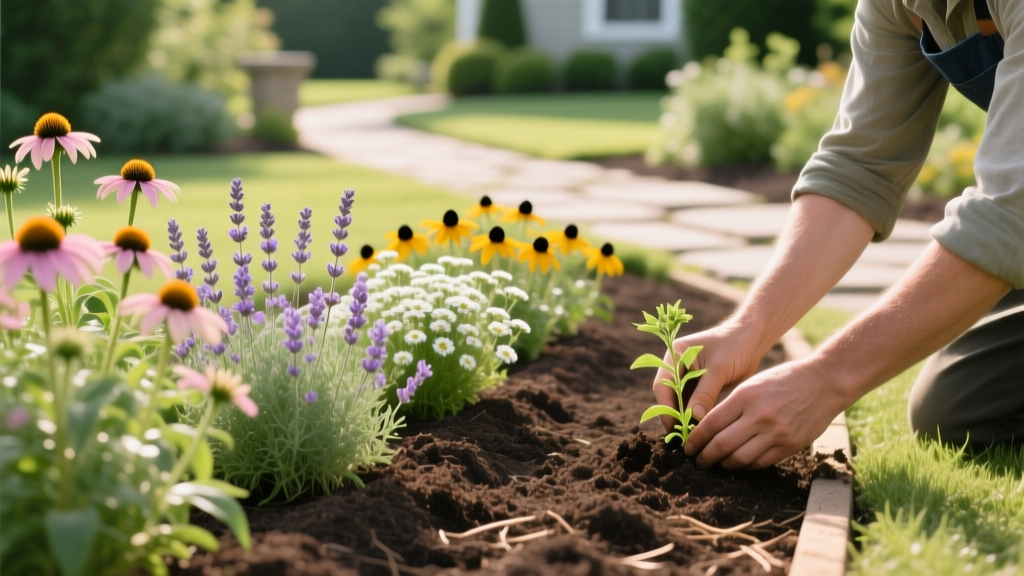
How to Plant a Beginner-Friendly Perennial Flower Bed
Sarah ChenPublished
Why Choose Perennials for Your First Landscape Bed?
When diving into the world of landscaping, designing and planting your first garden bed can feel overwhelming. Annuals require replanting every single year, and shrubs can take seasons to establish their shape. For new gardeners seeking a high-impact, low-maintenance landscaping upgrade, a perennial flower bed is the ultimate solution. Perennials return year after year, expanding their root systems and producing more vibrant blooms with each passing season. This beginner-friendly growing guide will walk you through the exact steps to plan, prepare, and plant a thriving perennial border that boosts your curb appeal and supports local pollinators.
Step 1: Site Selection and Sunlight Mapping
Before you buy a single plant or bag of soil, you must understand your landscape's microclimates. Perennials are long-term investments; placing a shade-loving plant in scorching afternoon sun will lead to disappointment. Spend two to three days observing your chosen planting area.
Mapping Sun Exposure
- Full Sun: Receives 6 to 8+ hours of direct, unfiltered sunlight daily. Ideal for vibrant bloomers like coneflowers and black-eyed Susans.
- Part Sun / Part Shade: Receives 3 to 6 hours of sunlight, preferably gentle morning sun and dappled afternoon shade.
- Full Shade: Receives less than 3 hours of direct sunlight. Best for foliage-heavy plants like hostas and ferns.
For this guide, we are focusing on a Full Sun perennial bed, as these plants generally offer the most dramatic floral displays and are highly forgiving for beginners once established.
Step 2: Soil Preparation and Amendments
The secret to a thriving perennial garden lies beneath the surface. Native soil is often too compacted or lacks the necessary organic matter for tender perennial roots to penetrate. Budget approximately $40 to $60 for soil amendments for a standard 4x8-foot bed.
Testing and Amending
Start by clearing the area of existing turf grass or weeds. Use a spade to remove the top two inches of sod. Next, loosen the soil to a depth of 10 to 12 inches using a garden fork. If your soil is heavy clay, incorporate organic compost to improve drainage. If your soil is excessively sandy, compost will help retain moisture and nutrients.
Actionable Tip: Mix in a slow-release organic fertilizer like Espoma Garden-tone (4-5-3) at a rate of 1.5 cups per 10 square feet. This provides a gentle, continuous nutrient supply without the risk of chemical fertilizer burn, which is a common beginner mistake.
Step 3: Choosing the Right Plants
Selecting the right plants is where your landscape design comes to life. For a beginner-friendly, drought-tolerant, and pollinator-attracting bed, stick to native or well-adapted cultivars. Below is a comparison chart of four bulletproof perennials that provide a continuous bloom cycle from late spring through early autumn.
| Common Name | Botanical Name | Sun Needs | Mature Size | Avg Cost (1-Gal) | Bloom Time |
|---|---|---|---|---|---|
| Purple Coneflower | Echinacea purpurea | Full Sun | 2-3 ft tall, 1-2 ft wide | $12 - $18 | Mid-Summer to Fall |
| Black-Eyed Susan | Rudbeckia fulgida | Full Sun | 2-3 ft tall, 1-2 ft wide | $10 - $15 | Mid-Summer to Fall |
| Catmint | Nepeta faassenii | Full Sun | 1-2 ft tall, 2-3 ft wide | $12 - $16 | Late Spring to Summer |
| Autumn Joy Sedum | Hylotelephium spectabile | Full Sun | 2 ft tall, 2 ft wide | $14 - $20 | Late Summer to Fall |
Cost Note: Buying plants in 1-gallon nursery pots is the most cost-effective method for beginners. They establish faster than smaller plugs and are significantly cheaper than mature 3-gallon shrubs.
Step 4: Planting Layout and Spacing
A common beginner error is planting perennials too closely together based on their current size in the nursery pot. Always read the plant tag for the 'Mature Width' and space them accordingly. Overcrowding leads to poor air circulation, which invites fungal diseases like powdery mildew.
The Layering Technique
To create a professional-looking landscape bed, use the layering method:
- Back Row (Tallest): Place your Purple Coneflowers and Black-Eyed Susans here. They will act as the backdrop and can reach up to 3 feet in height.
- Middle Row (Medium): Plant your Autumn Joy Sedum in the center. Its fleshy leaves and late-season pink blooms provide structural contrast.
- Front Row (Shortest): Line the front edge with Catmint. Its sprawling habit and soft lavender spikes will soften the hardscape edges and spill beautifully over walkways or retaining walls.
Step 5: The Planting Process
Timing is critical. The best time to plant perennials is in early spring (after the last frost date) or early fall (at least 6 weeks before the first hard freeze). Fall planting is often preferred by landscaping professionals because the warm soil encourages rapid root growth while the cooler air reduces transplant shock.
Step-by-Step Planting Instructions
- Dig the Hole: Dig a hole that is exactly as deep as the nursery pot, but twice as wide. This allows the lateral roots to spread easily into the loosened soil.
- Tease the Roots: Gently squeeze the sides of the plastic pot to release the plant. If the roots are circling tightly at the bottom (root-bound), use your fingers or a sterilized knife to gently tease them outward.
- Set the Depth: Place the plant in the hole. The crown of the plant (where the stems meet the roots) should sit perfectly level with the surrounding soil grade. Planting too deep will cause crown rot.
- Backfill and Water: Fill the hole halfway with native soil and water it to eliminate air pockets. Finish filling the hole, tamp down gently with your hands, and water thoroughly again.
Step 6: Mulching and Watering Schedules
Mulch is the unsung hero of any successful landscape bed. It suppresses weeds, retains soil moisture, and regulates soil temperature. However, improper mulching can kill your new plants.
Mulching Best Practices
Apply 2 to 3 inches of shredded hardwood mulch or pine bark over the exposed soil. Never volcano mulch. Keep the mulch at least 2 inches away from the base and crowns of your perennials. Piling mulch against the stems traps moisture and invites rot and rodent damage.
Establishment Watering Schedule
While drought-tolerant perennials like Echinacea and Sedum require very little water once established, they need consistent moisture during their first 90 days.
- Weeks 1-2: Water deeply every other day.
- Weeks 3-6: Water deeply twice a week.
- Weeks 7-12: Water deeply once a week, providing about 1 inch of water (including rainfall).
Expert Tips for Long-Term Success
Patience is a virtue in landscaping. The old gardening adage for perennials is: "The first year they sleep, the second year they creep, and the third year they leap." Do not be discouraged if your plants do not reach their massive mature size in the first season; they are focusing their energy on building a robust root system.
According to the University of Minnesota Extension, "Newly planted perennials require consistent moisture during their first growing season to establish a deep, resilient root system. Water deeply and less frequently to encourage downward root growth rather than shallow, frequent sprinklings. Furthermore, leaving the dried seed heads of plants like Echinacea and Rudbeckia intact over the winter provides crucial food sources for overwintering birds and native insects."
By following these beginner-friendly steps, you will transform a bare patch of lawn into a dynamic, ecological, and visually stunning perennial landscape bed. Not only will you increase your property's curb appeal, but you will also create a vibrant habitat for local bees, butterflies, and beneficial insects for years to come.

