Tree Care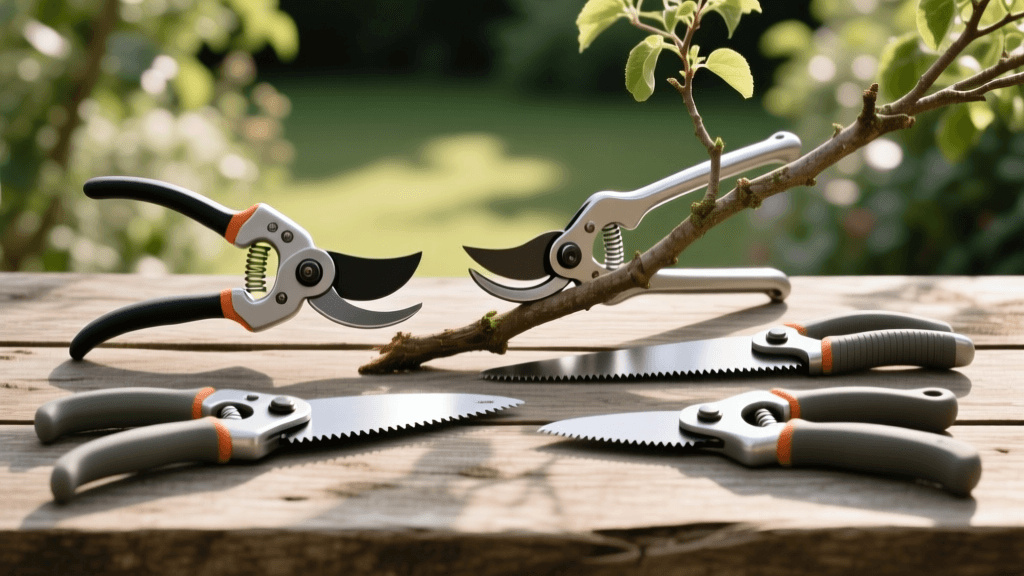
Best Bypass Loppers and Pruning Saws for Tree Pruning
Why the Right Pruning Tools Matter for Tree Health
Proper tree pruning is a cornerstone of landscape management, promoting vigorous growth, structural integrity, and disease resistance. However, the efficacy of your pruning efforts is heavily dependent on the tools you use. Dull, poorly designed, or inappropriate tools can crush bark, leave ragged wounds, and create entry points for devastating pathogens like oak wilt or fire blight. According to the International Society of Arboriculture, making clean, precise cuts just outside the branch collar is essential for a tree's natural compartmentalization process to seal the wound effectively.
For homeowners and landscaping professionals alike, navigating the crowded market of tree care tools can be overwhelming. This comprehensive review compares the best bypass loppers and folding pruning saws available today, focusing on blade steel quality, ergonomic design, cutting capacity, and long-term durability. Whether you are thinning a young maple or removing storm-damaged limbs from a mature oak, selecting the right tool will save you time, physical strain, and protect the long-term health of your trees.
Bypass vs. Anvil: Why Bypass Wins for Live Wood
Before diving into specific product reviews, it is crucial to understand the difference between bypass and anvil cutting mechanisms. Anvil loppers feature a single straight blade that closes against a flat, soft metal base. While excellent for crushing through dead, brittle wood, anvil tools tend to crush the vascular tissue of live branches, leading to delayed healing and increased susceptibility to disease. Bypass loppers, on the other hand, operate like scissors, with a curved blade sliding past a thinner counter-blade. This slicing action produces a clean, flush cut that promotes rapid callus formation, making bypass tools the undisputed choice for live tree pruning.
Top Bypass Loppers for Clean, Precise Cuts
Bypass loppers are your primary tool for branches ranging from half an inch up to two inches in diameter. Here are the top performers on the market.
1. Fiskars 32" PowerGear2 Bypass Lopper
The Fiskars PowerGear2 is a marvel of mechanical engineering, utilizing a patented gear mechanism that multiplies your leverage, providing up to three times more power than standard loppers. This makes it exceptionally easy to slice through dense, fibrous wood like hickory or oak without excessive shoulder strain. The 32-inch steel handles provide excellent reach, while the fully hardened, precision-ground SK5 high-carbon steel blade stays sharp through heavy use. Priced around $60, it features a low-friction coating that prevents sap buildup and resists rust. The only drawback is the fixed handle length, which may feel cumbersome in tight shrub borders, but for open-canopy tree pruning, it is unmatched in raw cutting power.
2. Corona SL 3264 ComfortGEL Bypass Lopper
Corona has long been a staple in the agricultural and landscaping industries, and the SL 3264 model proves why. Retailing for approximately $50, this lopper features a 32-inch fiberglass handle that absorbs shock and reduces the overall weight of the tool compared to steel-handled alternatives. The ComfortGEL grips are ergonomically contoured to prevent blistering during marathon pruning sessions. The resharpenable SK5 steel blade cleanly cuts branches up to 2 inches thick. While it lacks the geared leverage of the Fiskars, the lightweight fiberglass construction makes it highly maneuverable for overhead pruning where arm fatigue is a primary concern.
3. Felco 200 Straight Cutting Loppers
For the purist willing to invest in premium, lifelong quality, the Swiss-made Felco 200 is the gold standard. Priced at a premium $120 to $140, these loppers feature hardened steel tubular handles that are incredibly rigid yet surprisingly light. The straight cutting head is designed for precision work, allowing you to get deep into dense canopies without the curved head snagging on adjacent twigs. Every single component of the Felco 200 is replaceable, from the cutting blade to the shock-absorbing rubber buffers. While the maximum cut capacity is slightly lower at 1.4 inches, the sheer smoothness of the cut and the ergonomic perfection make it a favorite among professional arborists for detail pruning.
Best Folding Pruning Saws for Heavy-Duty Branches
When branches exceed the 2-inch threshold, loppers begin to crush rather than cut, and it is time to transition to a pruning saw. Folding saws offer the aggressive cutting power of a bow saw with the safety and portability of a pocket knife.
1. Silky Gomboy 240 Professional Series
Silky saws are legendary in the arboriculture community, and the Gomboy 240 is the quintessential all-rounder. Featuring a 9.5-inch (240mm) blade with 6.5 teeth per inch (TPI), it offers a remarkably fast, aggressive cut on the pull stroke. The non-impulse hardened teeth can be easily resharpened with a standard feather file, extending the life of the blade indefinitely. The rubberized GOM handle absorbs vibration, allowing you to cut through 5-inch limbs with minimal wrist fatigue. At roughly $55, the Silky Gomboy delivers professional-grade performance that outpaces saws costing twice as much.
2. Corona RazorTOOTH 10" Folding Saw
For budget-conscious homeowners who still demand quality, the Corona RazorTOOTH is an exceptional value at around $30. The 10-inch impulse-hardened blade features a triple-ground tooth design that clears sawdust efficiently, preventing the blade from binding in thick, sappy wood like pine or spruce. The blade locks securely in both the open and closed positions, a vital safety feature when climbing ladders or navigating uneven terrain. While the impulse-hardened teeth cannot be resharpened and the blade will eventually need replacing, the initial cost and reliable cutting speed make it a staple in any home garden shed.
3. ARS PM-21 Heavy-Duty Folding Saw
The ARS PM-21 bridges the gap between heavy-duty demolition and precision pruning. Priced around $45, it features an 8.25-inch high-carbon steel blade coated with hard chrome plating to resist rust and sap adhesion. The teeth are uniquely angled to slice through wood fibers cleanly rather than tearing them, leaving a remarkably smooth surface that requires no secondary knife trimming. The lightweight aluminum handle is wrapped in elastomer for a secure grip even when wearing thick leather gloves or working in wet conditions. It is particularly effective for making the precise undercut required in the three-cut pruning method.
Head-to-Head Comparison Chart
| Tool Name | Type | Max Cut Capacity | Blade/Length | Est. Price | Best For |
|---|---|---|---|---|---|
| Fiskars PowerGear2 | Bypass Lopper | 2.0 inches | 32 inches | $60 | Thick, dense wood; users needing extra leverage |
| Corona SL 3264 | Bypass Lopper | 2.0 inches | 32 inches | $50 | Overhead pruning; reducing arm fatigue |
| Felco 200 | Bypass Lopper | 1.4 inches | 24 inches | $130 | Precision detail work; lifelong durability |
| Silky Gomboy 240 | Folding Saw | 5.0 inches | 9.5 inches | $55 | Professional daily use; resharpenable teeth |
| Corona RazorTOOTH | Folding Saw | 6.0 inches | 10 inches | $30 | Budget-friendly heavy cutting; sappy pines |
| ARS PM-21 | Folding Saw | 4.0 inches | 8.25 inches | $45 | Smooth finish cuts; wet weather conditions |
Proper Pruning Techniques and Tool Maintenance
Owning premium tools is only half the battle; utilizing proper technique and maintaining your equipment is what truly safeguards tree health. When removing large, heavy limbs with a pruning saw, always employ the three-cut method to prevent bark tearing. As outlined by the University of Minnesota Extension, the first cut should be a shallow undercut about a foot away from the trunk. The second cut is made from the top, slightly further out, allowing the weight of the branch to snap off cleanly. The final cut removes the remaining stub just outside the branch collar.
Never flush-cut a branch against the main trunk. Removing the branch collar destroys the tree's natural chemical defense zone, leading to severe decay and structural failure over time.
Equally important is tool sanitation. Pruning tools can easily transmit bacterial and fungal diseases from an infected tree to a healthy one. The University of Florida IFAS Extension recommends sterilizing your blades between every cut when dealing with known diseases like fire blight, and at least between every tree during routine maintenance. Wipe the blades with a cloth soaked in 70% isopropyl alcohol or a 10% bleach solution. After cleaning, always apply a light coat of camellia oil or WD-40 to the pivot points and blades to prevent oxidation and ensure smooth operation.
By investing in high-quality bypass loppers and folding saws, and adhering to scientifically backed pruning methodologies, you ensure your trees remain structurally sound, aesthetically pleasing, and resilient against environmental stressors for decades to come.