Lawn Care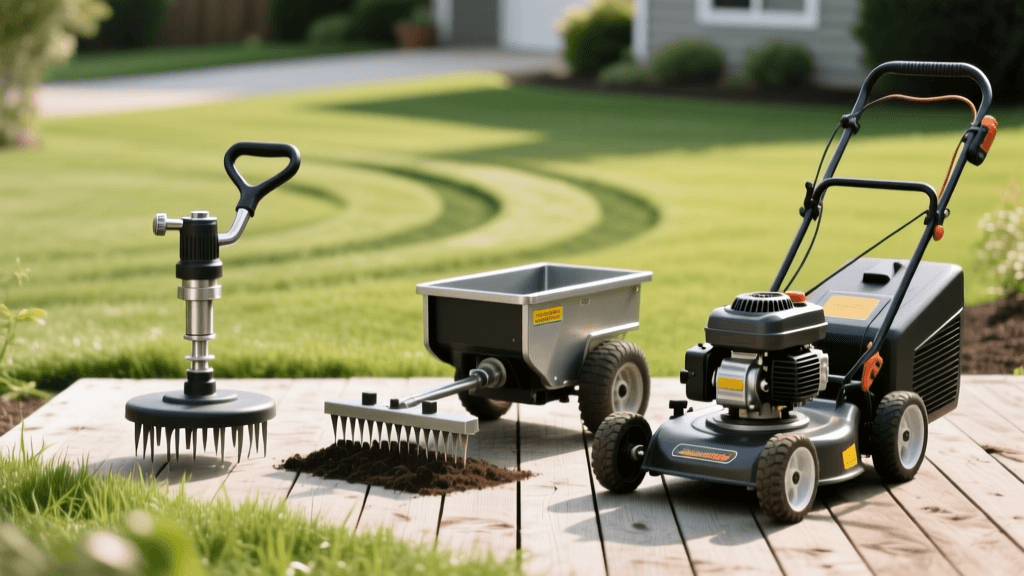
Best Core Aerators Reviewed: Manual vs Tow-Behind Models
The Hidden Culprit Behind a Thinning Lawn: Soil Compaction
If you are diligently watering, mowing at the correct height, and sticking to a strict fertilization schedule, yet your lawn still looks thin, patchy, and prone to weed invasion, you are likely dealing with soil compaction. Over time, foot traffic, heavy rainfall, and mowing equipment compress the soil particles, eliminating the vital pore spaces that grass roots need for oxygen, water, and nutrient absorption. When soil is compacted, fertilizer simply runs off, and water pools on the surface rather than penetrating the root zone.
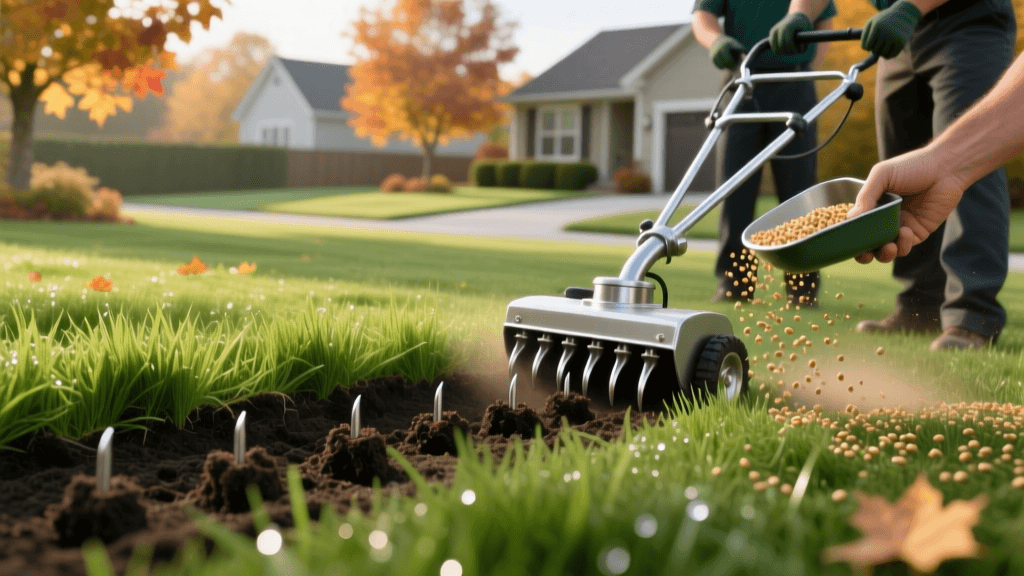
The ultimate solution to this problem is core aeration. Unlike spike aeration, which merely pokes holes and can actually worsen compaction by further compressing the surrounding soil, core aeration physically removes small plugs of soil and thatch from the lawn. This process alleviates compaction, stimulates microbial activity, and creates the perfect environment for deep root growth and successful overseeding.
According to the University of Minnesota Extension, "Core aeration is the most effective method for relieving soil compaction and managing thatch. The removal of soil cores allows for better water infiltration, improved fertilizer uptake, and enhanced root development, particularly in heavy clay soils commonly found in residential landscapes."
But with dozens of aeration tools on the market, how do you choose the right equipment for your specific yard size, soil type, and budget? In this comprehensive product review and comparison guide, we break down the top residential core aerators across three main categories: manual, tow-behind, and walk-behind models.
Top 3 Core Aerators Reviewed for Residential Lawns
1. Yard Butler Lawn Coring Aerator (Best Manual Option)
For homeowners with small urban yards, townhomes, or specific high-traffic problem areas (like the path from the driveway to the front door), the Yard Butler Lawn Coring Aerator is the undisputed champion of manual aeration. Priced at an incredibly accessible $40 to $50, this tool requires no gas, no tractor, and minimal storage space.
Design and Performance: The Yard Butler features a sturdy 37-inch steel handle and a foot bar that allows you to use your body weight to drive the two coring tubes into the ground. It extracts two 3.5-inch deep cores per step, measuring roughly 1/2 inch in diameter. The side window on the coring tubes allows you to easily eject the soil plugs.
Pros:
- Extremely affordable and requires zero maintenance.
- Highly maneuverable around tight landscaping beds and tree roots.
- Provides a great workout and allows for precise targeting of compacted zones.
Cons:
- Labor-intensive; not recommended for lawns larger than 1,000 square feet.
- Can be difficult to push into heavily compacted, dry clay soils without prior watering.
2. Agri-Fab 40-Inch Tow-Behind Plug Aerator (Best Tow-Behind Option)
If you own a riding lawn mower or a garden tractor and have a property ranging from 1/4 acre to 1 full acre, a tow-behind aerator is the most cost-effective way to achieve professional results. The Agri-Fab 40-Inch Tow-Behind Plug Aerator, retailing around $130 to $160, is a staple in the residential lawn care community.
Design and Performance: This unit features 32 galvanized steel coring knives that pull up to 3-inch deep plugs. The standout feature is the universal hitch that easily attaches to most riding mowers, and a large weight tray that can hold up to 150 pounds of concrete blocks or sandbags. Adding weight is absolutely critical; without it, the tines will merely scratch the surface of hard clay soil.
Pros:
- Covers large areas quickly, leveraging the power of your existing riding mower.
- The 150-lb weight tray ensures deep penetration in tough, compacted soils.
- Flat-free tires prevent unwanted ruts in soft turf.
Cons:
- Requires a riding mower or ATV with a hitch.
- Turning sharply while the tines are engaged will severely tear your turf. You must raise the aerator or make wide, sweeping turns at the end of each pass.
3. Billy Goat Outback Series Walk-Behind (Best Premium / Rental Option)
For lawn care enthusiasts with large properties, severe clay compaction, or those who want commercial-grade results without hiring a service, the Billy Goat Outback Series Walk-Behind Core Aerator is the gold standard. While purchasing a new unit can cost upwards of $3,500, it is widely available for rent at local equipment yards for approximately $80 to $120 per day.
Design and Performance: This is a self-propelled, heavy-duty machine featuring a reciprocating tine action. Unlike manual or tow-behind models that drag tines through the dirt (which can cause tearing), the Billy Goat's tines drive straight down into the soil and pull straight back out, even while the machine is moving forward. This leaves perfectly clean, deep cores (up to 4 inches) without damaging the surrounding turf structure.
Pros:
- Self-propelled drive system makes it easy to operate despite the machine's heavy weight.
- Reciprocating tine action prevents turf tearing and ensures maximum depth.
- Ideal for severe compaction, heavy clay, and preparing seedbeds for major lawn renovations.
Cons:
- High purchase price; requires a truck or trailer for transport due to its 300+ lb weight.
- Overkill for small, well-maintained suburban lawns.
Comparison Chart: Which Aerator is Right for You?
| Model | Type | Best For | Avg Cost | Plug Depth |
|---|---|---|---|---|
| Yard Butler | Manual | Small lawns, tight spaces, spot treatments | $45 | 3.5 inches |
| Agri-Fab 40-Inch | Tow-Behind | 1/4 to 1 acre, riding mower owners | $150 | 3.0 inches |
| Billy Goat Outback | Walk-Behind | Large lawns, heavy clay, full renovations | $100/day (Rental) | 4.0 inches |
Expert Execution: How to Aerate Your Lawn Successfully
Owning the right equipment is only half the battle. Proper timing and preparation are critical to ensuring your aeration efforts yield a thick, vibrant lawn. Follow these actionable steps for the best results.
1. Timing is Everything
The best time to aerate is during your grass type's peak growing season, allowing it to recover quickly and fill in the open holes before weeds can take hold.
- Cool-Season Grasses (Kentucky Bluegrass, Tall Fescue, Perennial Ryegrass): Aerate in early fall (late August to September). This coincides with the ideal window for fall overseeding and allows roots to establish before winter dormancy.
- Warm-Season Grasses (Bermuda, Zoysia, Centipede): Aerate in late spring to early summer (May to June) when the grass is actively growing and spreading via stolons and rhizomes.
2. Preparation and Marking
Never aerate a bone-dry lawn. The tines will not penetrate, and the machine may break. Two days before aerating, apply roughly 1 inch of water to the lawn to soften the topsoil. The soil should be moist, but not muddy. If the soil is too wet, the aeration tines will become clogged with mud, and the heavy equipment will leave deep, damaging ruts.
Crucially, you must mark all shallow underground utilities, sprinkler heads, and invisible dog fences with bright fluorescent flags or spray paint. Aerator tines will easily crush PVC sprinkler lines and shallow irrigation valves if they are not avoided.
3. The Aeration Pattern
For severely compacted lawns, make two passes. The first pass should be in one direction, and the second pass should be perpendicular to the first, creating a cross-hatch pattern. Aim to pull between 20 to 40 cores per square foot for optimal soil relief.
4. Post-Aeration Care: Overseeding and Fertilizing
Aeration creates the perfect seed-to-soil contact zones. Immediately after aerating, overseed your lawn. For Tall Fescue, apply 3 to 5 lbs of seed per 1,000 square feet; for Kentucky Bluegrass, apply 1 to 2 lbs per 1,000 square feet. The seeds will fall directly into the aeration holes, protecting them from birds and drying out.
Follow up with a high-quality starter fertilizer (such as an N-P-K ratio of 10-18-10) to provide the phosphorus necessary for rapid root development. Apply at a rate of 1 lb of nitrogen per 1,000 square feet.
What to Do With the Soil Plugs?
A common mistake homeowners make is raking up and disposing of the soil cores left on the lawn. Do not remove the plugs. These cores are rich in beneficial soil microbes. As you water the lawn and mow over the next two to three weeks, the plugs will naturally break down, redistributing those microbes back into the thatch layer, which accelerates thatch decomposition and naturally top-dresses your lawn.
Final Verdict
Relieving soil compaction is a non-negotiable step in advanced lawn care. If you have a small patch of turf or a tight budget, the Yard Butler Manual Coring Aerator is a fantastic, sweat-equity investment. For the majority of suburban homeowners with a riding mower and a quarter-acre or more, the Agri-Fab 40-Inch Tow-Behind offers the best balance of price, efficiency, and results. However, if you are battling extreme clay soil or undertaking a complete lawn renovation, skip the consumer-grade tools and rent a Billy Goat Walk-Behind for the weekend. Your soil structure—and your grass roots—will thank you.