Gardening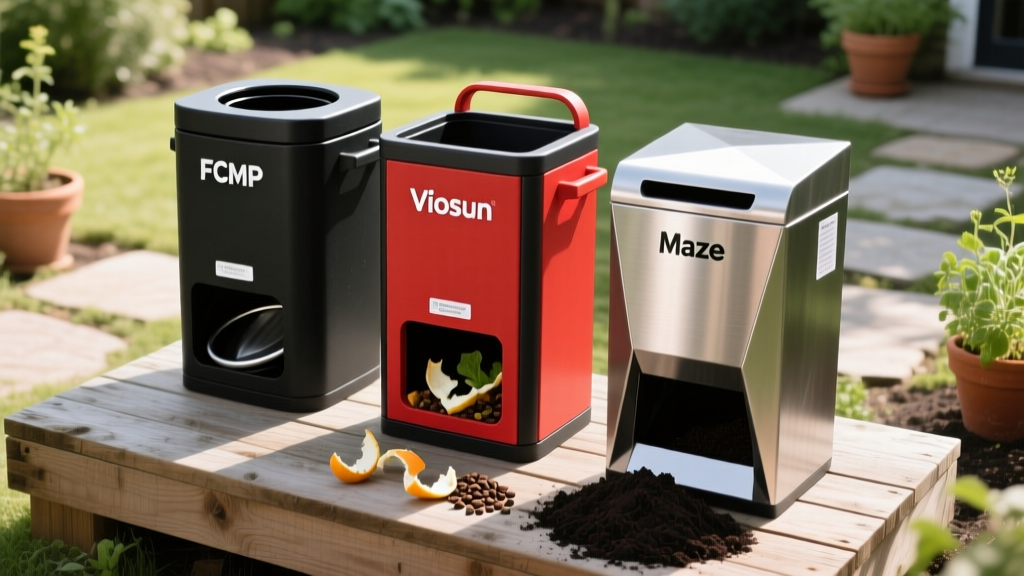
Best Dual-Chamber Compost Tumblers: FCMP vs Vivosun Compared
Anna KowalskiPublished
The Advantage of Dual-Chamber Compost Tumblers
For home gardeners looking to close the nutrient loop, composting is an essential practice. However, traditional open-air compost piles can be slow, labor-intensive, and prone to attracting pests. Enter the compost tumbler: a sealed, elevated, and easily rotated vessel designed to accelerate decomposition through improved aeration and heat retention. But even standard tumblers have a flaw—every time you add fresh kitchen scraps, you reset the decomposition clock, mixing uncomposted waste with nearly finished soil.
This is where dual-chamber compost tumblers revolutionize the process. By featuring two separate bins, these units allow you to practice continuous composting. You can fill one chamber while the other cures, ensuring a steady, uninterrupted supply of nutrient-dense compost for your raised beds, container gardens, and flower borders. In this comprehensive product review and comparison, we evaluate three of the most popular dual-chamber tumblers on the market: the FCMP IM4000, the VIVOSUN Outdoor Tumbler, and the Maze Two-Stage Tumbler.
Top 3 Dual-Chamber Compost Tumblers Reviewed
1. FCMP Outdoor IM4000 Dual Chamber Tumbling Composter
The FCMP IM4000 is widely considered the gold standard for entry-level to intermediate home composters. With a total capacity of 37 gallons (divided into two 18.5-gallon chambers), it offers a manageable footprint for suburban backyards while holding enough volume to generate the critical mass needed for hot composting.
Design and Durability: The body is constructed from BPA-free, UV-protected recycled polypropylene, ensuring it won't become brittle after seasons of direct sunlight. The frame is made of galvanized steel, which resists rust and provides excellent stability even when the chambers are fully loaded with wet, heavy organic matter.
Mixing Mechanism: What sets the FCMP apart are the deep internal fins. As you spin the hexagonal drum, these fins break up compacted clumps of food waste and leaves, ensuring thorough mixing and superior aeration. The hexagonal shape also prevents the drum from resting on a flat spot, making it easier to start the spinning motion.
Pros: Excellent internal aeration fins; highly durable galvanized frame; sliding doors lock securely to keep out rodents.
Cons: Assembly can take 1-2 hours; the sliding doors can occasionally stick if debris gets caught in the tracks.
2. VIVOSUN Outdoor Tumbling Composter
VIVOSUN has made a name for itself in the indoor and outdoor gardening space, and their 43-gallon dual-chamber tumbler is a direct competitor to the FCMP, offering a slightly larger capacity at a highly competitive price point.
Design and Durability: The VIVOSUN tumbler features a similar UV-resistant plastic body but utilizes a powder-coated steel frame. It includes multiple adjustable air vents on the sides of the chambers, allowing you to manually control the airflow based on the moisture levels of your compost.
Mixing Mechanism: Instead of deep fins, the VIVOSUN relies on interior baffles and the adjustable air vents to tumble the material. It also features a built-in handle grip on the exterior of the drum, which some users find easier to grasp than the smooth edges of competing models. VIVOSUN often bundles this tumbler with a pair of heavy-duty gardening gloves, adding immediate value for the buyer.
Pros: Larger 43-gallon capacity; adjustable air vents for moisture control; often includes bonus gardening gloves; budget-friendly.
Cons: Powder-coated frame may show surface rust in coastal or high-humidity environments faster than galvanized steel; interior baffles are less aggressive at breaking up heavy clay-soil clumps.
3. Maze Two-Stage Compost Tumbler
The Maze Two-Stage Tumbler is the premium option in this lineup, engineered for gardeners who prioritize ease of use and ergonomic design. It boasts a 43-gallon capacity and a uniquely designed turning mechanism that sets it apart from the competition.
Design and Durability: Maze utilizes high-grade, UV-stabilized plastics and a robust, rust-proof steel frame. The large sliding doors are designed with a wide opening, making it incredibly easy to shovel out finished compost or load bulky yard waste like corn stalks and sunflower heads.
Mixing Mechanism: The standout feature of the Maze tumbler is its ratcheting crank handle. Instead of grabbing the side of the drum and pushing, you simply turn the ergonomic crank. The internal ratcheting gear system multiplies your effort, making it possible to rotate a fully loaded, 200-pound chamber with minimal physical strain. This makes it the top choice for seniors or gardeners with limited upper body strength.
Pros: Ergonomic crank handle requires minimal effort; large door openings for easy loading/unloading; excellent structural integrity.
Cons: Highest price point of the three; the geared mechanism requires occasional cleaning to prevent dirt buildup.
Head-to-Head Comparison Chart
| Feature | FCMP IM4000 | VIVOSUN Tumbler | Maze Two-Stage |
|---|---|---|---|
| Total Capacity | 37 Gallons | 43 Gallons | 43 Gallons |
| Frame Material | Galvanized Steel | Powder-Coated Steel | Rust-Proof Steel |
| Turning Mechanism | Spin by Hand (Hexagonal) | Spin by Hand (Grip Handle) | Ratcheting Crank Handle |
| Aeration System | Deep Internal Fins | Adjustable Side Vents | Internal Baffles & Vents |
| Estimated Price | $100 - $120 | $80 - $100 | $160 - $190 |
| Best For | Durability & Clump Breaking | Budget & Airflow Control | Ergonomics & Ease of Use |
Key Features to Consider When Buying
Capacity and Footprint
When selecting a tumbler, consider your household's waste output. A family of four typically generates enough kitchen scraps to fill a 37-to-43-gallon tumbler over the course of 4 to 6 weeks. Remember that composting requires a balance of "greens" (nitrogen-rich kitchen scraps) and "browns" (carbon-rich dry leaves, cardboard, or straw). You will need storage space for your browns, which take up significantly more volume than dense food waste.
Aeration and Mixing Mechanisms
Oxygen is the fuel that drives aerobic decomposition. Without adequate aeration, your compost will turn anaerobic, resulting in foul, sulfur-like odors and a slimy texture. Internal fins and baffles are crucial because they lift the compost and drop it as the barrel turns, introducing fresh oxygen into the core of the pile. If you live in a wet climate, adjustable vents (like those on the VIVOSUN) are highly beneficial for letting excess moisture evaporate.
The Science of Tumbler Composting
To get the most out of your new dual-chamber tumbler, you must understand the biological processes occurring inside. According to the Environmental Protection Agency (EPA), composting organic waste not only creates a valuable soil amendment but also significantly reduces methane emissions that occur when organic matter decomposes in anaerobic landfill environments.
The speed at which your tumbler produces finished compost depends heavily on the Carbon-to-Nitrogen (C:N) ratio. The University of Minnesota Extension recommends aiming for a C:N ratio of roughly 30:1. In practical terms, this means adding two to three parts "browns" (shredded newspaper, dry autumn leaves, untreated sawdust) for every one part "greens" (vegetable peels, coffee grounds, fresh grass clippings). If your tumbler smells like ammonia, you have too much nitrogen; add more browns. If decomposition has stalled, add more greens and a splash of water.
The Sponge Test: Proper moisture is critical for microbial activity. Your compost should feel like a wrung-out sponge. If you squeeze a handful and water drips out, it is too wet—add dry shredded cardboard. If it crumbles and falls apart, it is too dry—add water or more fresh kitchen scraps.
Furthermore, temperature and particle size dictate the timeline. Shredding your browns and chopping large vegetable scraps before tossing them into the tumbler increases the surface area for microbes to work. As noted by Cornell University's Waste Management Institute, maintaining internal pile temperatures between 130°F and 160°F is essential for killing off weed seeds and plant pathogens. Tumblers excel at retaining this heat due to their enclosed, dark-colored plastic designs, which absorb solar radiation and trap microbial heat.
Troubleshooting Common Tumbler Issues
- Fruit Flies: Always bury your fresh kitchen scraps under a layer of browns. Leaving food waste exposed on the top layer of the compost invites fruit flies and wasps.
- Clumping and Balling: Grass clippings are notorious for forming dense, anaerobic mats. Never add more than an inch of grass clippings at a time, and mix them thoroughly with coarse browns like wood chips or shredded corn stalks.
- Slow Decomposition in Winter: Microbial activity slows down significantly when ambient temperatures drop below 40°F. In colder climate zones, insulate your tumbler with a heavy tarp or move it to a sun-facing, wind-protected area of your garden to maintain internal heat.
Final Verdict: Which Tumbler Should You Buy?
Choosing the right dual-chamber compost tumbler ultimately depends on your budget, physical capabilities, and garden size.
If you want the best all-around value with exceptional durability and superior internal mixing fins, the FCMP IM4000 remains our top recommendation. Its galvanized frame and aggressive baffles ensure that heavy, wet compost is turned effortlessly and aerated thoroughly.
For budget-conscious gardeners who want a slightly larger capacity and the ability to manually adjust airflow, the VIVOSUN Outdoor Tumbler is an outstanding choice that frequently goes on sale during spring gardening events.
Finally, if you suffer from back pain, have limited grip strength, or simply want the most premium, ergonomic experience on the market, invest in the Maze Two-Stage Tumbler. The ratcheting crank handle is a game-changer, proving that turning heavy, nutrient-rich soil doesn't have to be a chore.
Whichever model you choose, a dual-chamber tumbler will streamline your garden waste management, reduce your reliance on synthetic fertilizers, and provide your vegetables and flowers with the rich, living soil they need to thrive.
