Gardening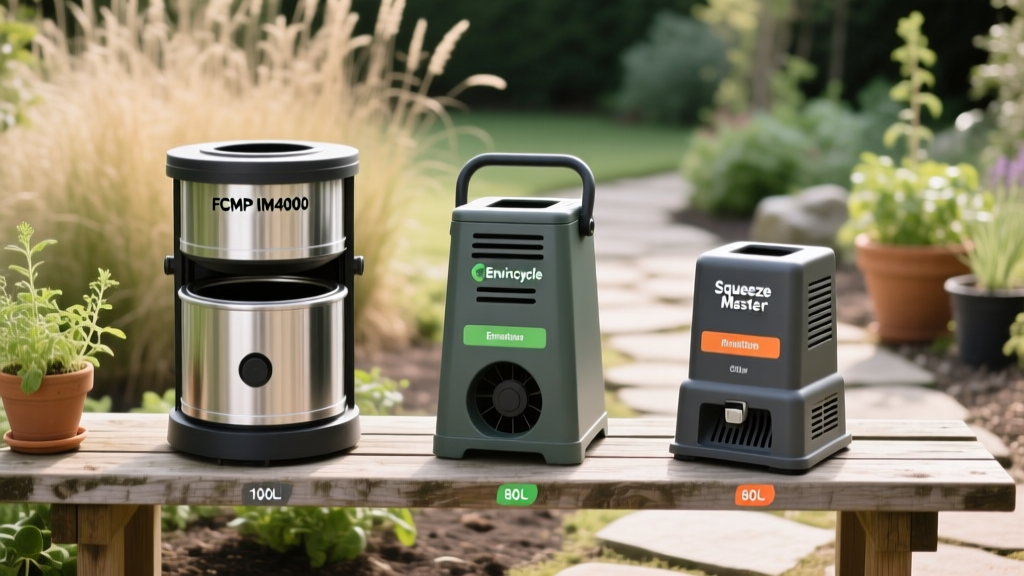
Best Tumbling Composters Reviewed: Top Picks for Fast Compost
Sarah ChenPublished
Introduction to Tumbling Composters
For home gardeners looking to close the loop on their organic waste, composting is an essential practice. However, traditional static compost piles can be labor-intensive, slow to break down, and prone to attracting unwanted pests. Enter the tumbling composter: a sealed, elevated, and easily rotatable drum designed to accelerate the decomposition process while keeping rodents and insects at bay. According to the Environmental Protection Agency (EPA), composting can divert up to 30% of household waste away from landfills, transforming kitchen scraps and yard debris into nutrient-rich humus for your vegetable and flower beds.
But with dozens of models on the market, choosing the right tumbler can be overwhelming. Do you need a dual-chamber system for continuous composting? Is a premium rust-free aluminum frame worth the extra investment? In this comprehensive product review and comparison guide, we evaluate the top three tumbling composters based on aeration efficiency, build quality, capacity, and overall value. Whether you are managing a small urban patio garden or a sprawling suburban backyard, we have the perfect composting solution for you.
Why Choose a Tumbler Over a Static Bin?
Before diving into specific product reviews, it is important to understand the mechanical advantages of a tumbler. The primary enemy of fast composting is anaerobic conditions. When a static pile lacks oxygen, it begins to rot rather than compost, producing foul odors and slowing down microbial activity. Tumblers solve this problem through effortless aeration. Every time you spin the drum, the internal materials are mixed, and fresh oxygen is introduced to the core of the pile.
Furthermore, tumblers are elevated off the ground. This design feature prevents burrowing pests from accessing your kitchen scraps. The enclosed, dark environment also helps retain the thermal energy generated by thermophilic bacteria, allowing the pile to reach the 130°F to 160°F range necessary to kill weed seeds and pathogens much faster than an open-air pile. For gardeners with limited mobility or those who want to avoid the back-breaking work of turning a heavy pile with a pitchfork, a tumbler is an ergonomic game-changer.
Top 3 Tumbling Composters Compared
1. FCMP Outdoor IM4000 Tumbling Composter (Best Overall)
The FCMP Outdoor IM4000 has long been the gold standard for residential composting, and for good reason. It features a 37-gallon capacity split into two distinct chambers. This dual-bin design is crucial for continuous composting; you can fill one side with fresh scraps while the other side cures into finished compost. Constructed from BPA-free, UV-protected polypropylene and supported by a galvanized steel frame, it is built to withstand harsh weather conditions without degrading or rusting.
What truly sets the IM4000 apart is its internal aeration system. Deep fins and breakers line the interior of the drum, physically breaking up clumps of wet material and ensuring excellent oxygen flow. The large, sliding door makes loading heavy yard waste and unloading finished soil incredibly easy. At a price point hovering around $90, it offers an unbeatable balance of durability, functionality, and cost.
- Capacity: 37 Gallons (Dual Chamber)
- Frame: Galvanized Steel
- Best Feature: Deep internal fins for superior clump-breaking and aeration.
- Drawback: Assembly requires two people and can take up to an hour.
2. Envirocycle The Most Beautiful Composter in the World (Best Premium)
If aesthetics and compact footprint are your top priorities, the Envirocycle is unmatched. Marketed as the most beautiful composter in the world, it features a sleek, dark green drum with a rust-free, powder-coated aluminum frame. It holds 35 gallons of material in a single chamber, but its unique base includes a built-in reservoir for collecting compost tea—a highly concentrated liquid fertilizer that can be drained via a spigot and applied directly to your garden plants.
The drum itself is ribbed on the inside to promote aeration, and it sits on a sturdy axle that allows it to spin with minimal effort. While it lacks a dual-chamber setup, its 35-gallon volume is perfect for small households generating moderate kitchen waste. The premium build quality and elegant design command a higher price, typically retailing between $200 and $250, making it an investment piece for patio and courtyard gardeners.
- Capacity: 35 Gallons (Single Chamber + Tea Base)
- Frame: Powder-Coated Aluminum
- Best Feature: Integrated compost tea collection base and rust-proof materials.
- Drawback: High price point; single chamber limits continuous batch processing.
3. Squeeze Master Large Dual-Chamber Tumbler (Best Budget)
For gardeners on a strict budget who still want the benefits of a dual-chamber system, the Squeeze Master Large Tumbler is a highly capable contender. Boasting a slightly larger 43-gallon total capacity, this model utilizes sliding doors and adjustable air vents to manage moisture and oxygen levels. The galvanized steel frame is sturdy, and the exterior features a textured grip to make spinning the wet, heavy drum easier on the hands.
While the plastic shell feels slightly thinner than the FCMP model, it holds up well under normal seasonal use. The adjustable air vents are a standout feature, allowing you to open them up for maximum airflow during hot summer months or close them to retain heat during cooler spring and autumn days. Priced around $60 to $70, it is the most accessible entry point into hot, tumbler-based composting.
- Capacity: 43 Gallons (Dual Chamber)
- Frame: Galvanized Steel
- Best Feature: Adjustable air vents and large 43-gallon total volume.
- Drawback: Sliding doors can occasionally jam if debris gets caught in the tracks.
Side-by-Side Comparison Chart
| Feature | FCMP IM4000 | Envirocycle | Squeeze Master |
|---|---|---|---|
| Capacity | 37 Gallons | 35 Gallons | 43 Gallons |
| Chamber Setup | Dual | Single + Tea Base | Dual |
| Frame Material | Galvanized Steel | Powder-Coated Aluminum | Galvanized Steel |
| Aeration System | Deep Internal Fins | Ribbed Drum Interior | Adjustable Air Vents |
| Approx. Cost | $90 | $230 | $70 |
| Best For | Overall Home Use | Patios & Aesthetics | Budget-Conscious |
Actionable Advice: How to Achieve Hot Composting in a Tumbler
Buying a tumbler is only the first step; managing the biology inside the drum is what yields rich, dark compost. According to Cornell University's Waste Management Institute, the key to rapid decomposition lies in balancing your carbon-to-nitrogen (C:N) ratio, moisture, and oxygen. Here is how to optimize your tumbler for hot composting:
1. Master the C:N Ratio (Browns vs. Greens)
A common mistake beginners make is filling their tumbler exclusively with nitrogen-rich kitchen scraps (greens), resulting in a soggy, smelly sludge. You must balance these with carbon-heavy materials (browns). Aim for a volume ratio of roughly 3 parts browns to 1 part greens. Excellent brown materials include dry autumn leaves, shredded cardboard, straw, and sawdust. If your tumbler smells like ammonia, add more browns immediately and spin.
2. Monitor Moisture Levels
Your compost should feel like a wrung-out sponge. Because tumblers are enclosed, they do not receive rain, meaning you often need to add water manually. Conversely, if you add too many wet vegetable scraps, the pile can become waterlogged, suffocating the aerobic bacteria. Keep a spray bottle nearby to add moisture when turning dry piles, and leave the air vents open to let excess humidity escape.
3. Establish a Turning Schedule
Unlike static piles that are turned once a week, tumblers thrive on frequent agitation. During the active thermophilic phase (the first two to three weeks), spin the drum 3 to 4 full rotations every 2 to 3 days. This frequent mixing distributes heat evenly and prevents the core from drying out. Once the temperature drops and the material begins to look like dark soil, reduce turning to once a week to allow the curing process to finish.
Pro Tip: Keep a 5-gallon bucket of dry shredded leaves or shredded newspaper next to your tumbler. Every time you empty your kitchen compost caddy into the tumbler, immediately add two handfuls of the dry brown material and give the drum one quick spin. This prevents fruit flies and maintains the perfect C:N ratio effortlessly.
Final Verdict: Which Tumbler Should You Buy?
Selecting the right tumbling composter ultimately depends on your specific garden layout, budget, and composting volume. For the vast majority of home gardeners, the FCMP Outdoor IM4000 remains the undisputed champion. Its dual-chamber design, aggressive internal aeration fins, and reasonable price point make it the most practical tool for producing a steady supply of organic fertilizer throughout the growing season.
However, if you are gardening in a highly visible urban space or on a paved patio where runoff and aesthetics matter, the Envirocycle is a stunning, rust-proof investment that doubles as a compost tea brewer. Finally, if you are just starting out and want to test the waters of hot composting without a massive upfront cost, the Squeeze Master provides ample volume and dual-chamber convenience at a budget-friendly price. Whichever model you choose, committing to the tumbling process will drastically improve your soil health, boost your vegetable yields, and reduce your household's environmental footprint.
