Pest Control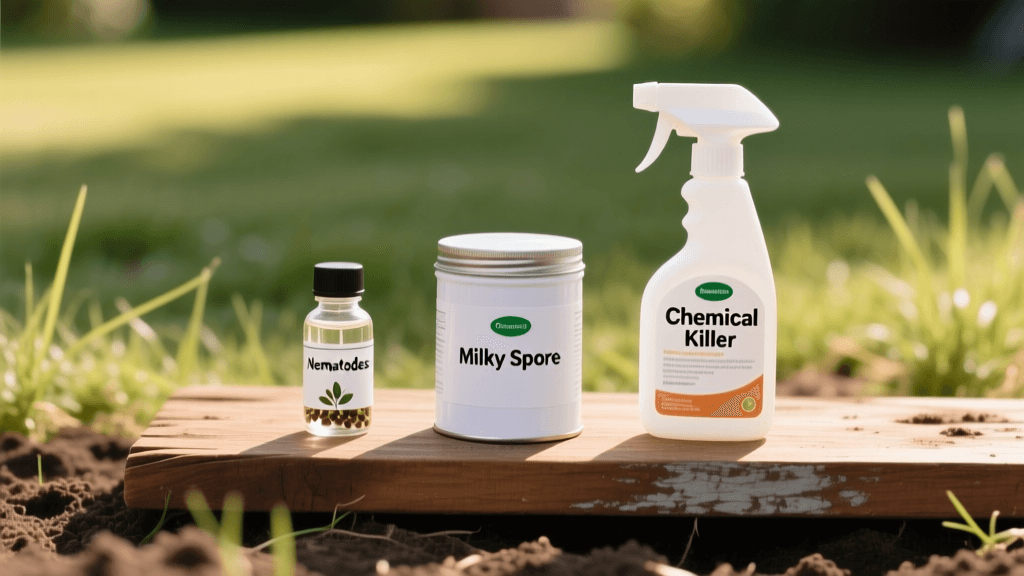
Best Grub Control Products: Nematodes vs Chemicals Reviewed
The Hidden Threat Beneath Your Turf
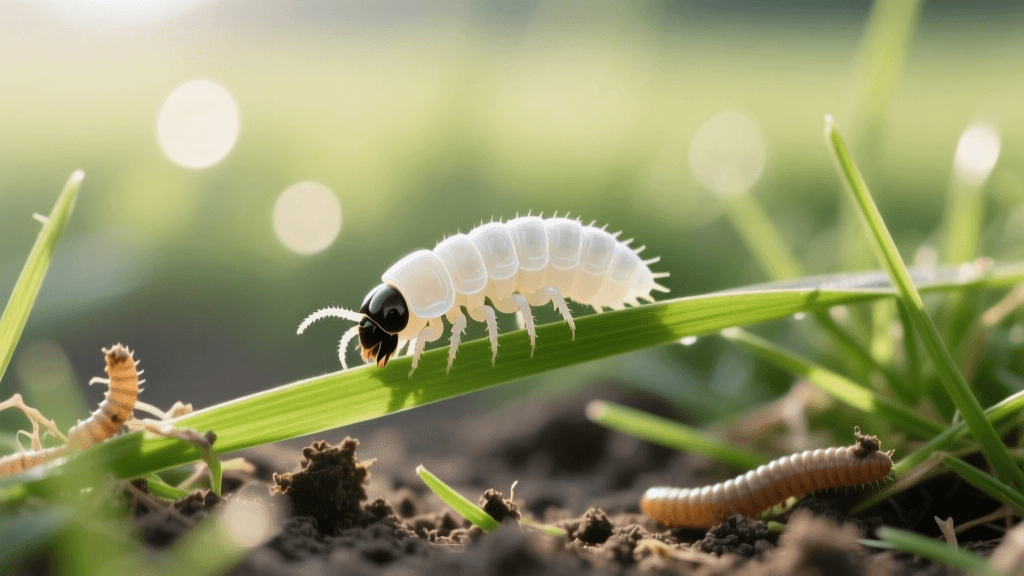
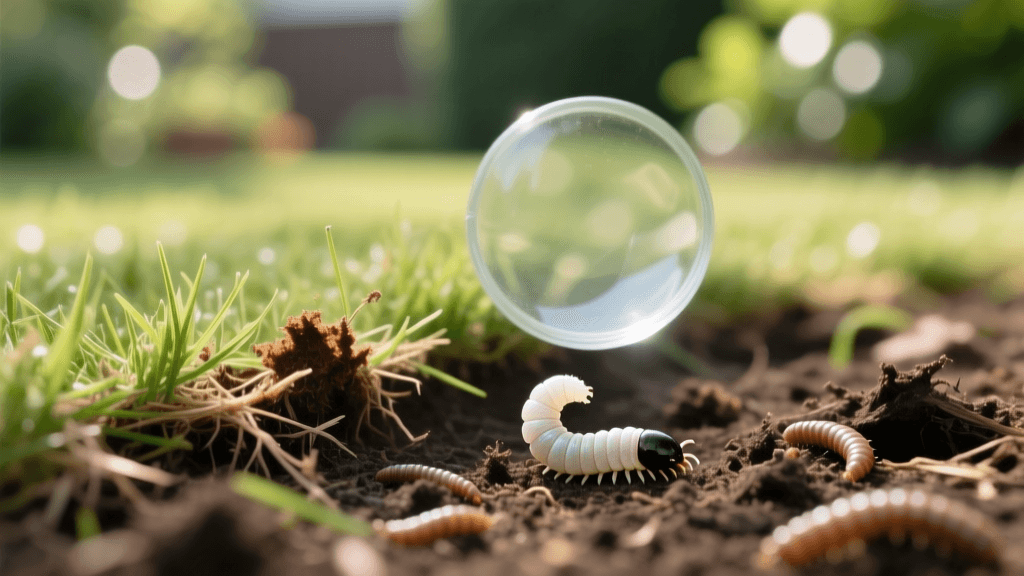
White grubs are the larval stage of various scarab beetles, including Japanese beetles, June bugs, and European chafers. These C-shaped, cream-colored pests live just beneath the soil surface, feasting on grassroots and causing severe turf damage that often mimics drought stress. As a core component of Integrated Pest Management (IPM), effective grub control requires accurate identification, proper timing, and the strategic use of biological or chemical interventions.
Choosing the right grub killer depends heavily on the time of year, the severity of the infestation, and your environmental preferences. In this comprehensive review, we compare the top grub control products on the market, ranging from organic biological controls to synthetic preventative and curative chemicals.
How to Scout for Grubs Before Treating
Before investing in any pest control product, you must confirm that grubs are the actual problem. According to turfgrass entomologists, treating a lawn without scouting is a waste of money and an unnecessary environmental risk.
- The Soap Flush: Mix two tablespoons of dish soap with one gallon of water and pour it over a one-square-foot area. Wait ten minutes. If grubs are present, they will surface to escape the irritation.
- The Shovel Test: Use a flat spade to cut three sides of a one-square-foot section of sod. Peel it back like a carpet and dig two to four inches into the soil. Count the grubs.
- Thresholds: A healthy lawn can tolerate a few grubs. Treatment is generally only recommended if you find more than 5 to 10 grubs per square foot, depending on the turf species and overall lawn health.
Top Grub Control Products Reviewed
1. Best Organic Curative: BioLogic Ecomask (Beneficial Nematodes)
Active Ingredient: Heterorhabditis bacteriophora (Hb nematodes)
Target: Actively feeding grubs (European chafers, Japanese beetles, June bugs)
Cost: Approximately $35 to $45 per million nematodes (treats roughly 3,000 square feet)
Beneficial nematodes are microscopic, unsegmented worms that naturally occur in soil. The Hb species is highly effective against grubs because it actively hunts them, enters their bodies, and releases symbiotic bacteria that kill the grub within 48 hours. BioLogic Ecomask is a premium, commercially available option that ensures high viability and proper cold-chain shipping.
Application Timing: Late summer to early fall (August through October) when grubs are young, actively feeding near the surface, and soil temperatures are consistently above 60°F.
Pros: 100% organic, safe for pets and earthworms, targets over 200 soil-dwelling pests.
Cons: Requires strict moisture management; UV light can kill nematodes if applied in direct midday sun; short shelf life.
2. Best Chemical Preventative: Scotts GrubEX1 (Chlorantraniliprole)
Active Ingredient: Chlorantraniliprole (0.08%)
Target: Preventing grub egg hatch and early larval stages
Cost: Approximately $25 to $30 per bag (treats up to 10,000 square feet)
Scotts GrubEX1 is widely considered the gold standard for preventative grub control. Unlike older chemical classes, Chlorantraniliprole is an anthranilic diamide that targets the calcium channels in insect muscles, causing paralysis and death. Crucially, it is highly selective and has a very low toxicity profile for mammals, birds, and beneficial insects like earthworms and bees.
Application Timing: Spring to early summer (April through June). It must be applied before beetle eggs hatch in mid-summer. The chemical needs time to move into the root zone and build up a protective barrier.
Pros: Excellent safety profile, long residual control (up to 4 months), highly cost-effective for large lawns.
Cons: Ineffective as a curative treatment; will not kill large, actively feeding grubs in late summer or fall.
3. Best Chemical Curative: Bayer Advanced 24 Hour Grub Killer (Dylox/Trichlorfon)
Active Ingredient: Trichlorfon (Dylox)
Target: Large, actively feeding grubs causing immediate turf damage
Cost: Approximately $25 to $35 per bag (treats up to 10,000 square feet)
When you peel back your sod in September and find massive, mature grubs decimating your lawn, preventatives will not work. You need a fast-acting curative. Trichlorfon is an organophosphate that disrupts the insect nervous system, killing grubs within 24 hours of contact or ingestion. It is a rescue treatment designed to stop active damage immediately.
Application Timing: Late summer or early fall when active grub damage is visible and thresholds have been exceeded.
Pros: Extremely fast knockdown, kills mature grubs, stops immediate lawn destruction.
Cons: Very short soil residual (breaks down in a few days to a week); higher toxicity to earthworms and aquatic life; requires careful handling and strict adherence to label safety instructions.
4. Best Long-Term Biological: St. Gabriel Organics Milky Spore
Active Ingredient: Paenibacillus popilliae (Milky Spore bacteria)
Target: Strictly Japanese beetle grubs
Cost: Approximately $40 to $50 for a 20oz shaker (treats 2,500 square feet) or more for larger areas
Milky Spore is a naturally occurring bacterium that causes a fatal milky disease in Japanese beetle grubs. When a grub ingests the spores, the bacteria multiply, turning the grub's internal fluids milky white before it dies and releases billions of new spores into the soil. Over 2 to 3 years, this builds a biological defense grid in your lawn that can last for decades.
Application Timing: Spring or fall when grubs are actively feeding. Applied via a grid pattern using a specialized dispenser or by hand.
Pros: Permanent, self-sustaining biological control; completely safe for humans, pets, and beneficial insects.
Cons: Only works on Japanese beetles (ineffective against European chafers or June bugs); takes years to establish; relatively high upfront cost.
Head-to-Head Grub Control Comparison Chart
| Product Type | Active Ingredient | Best Used For | Application Timing | Approx. Cost per 5k sq ft | IPM Impact |
|---|---|---|---|---|---|
| Beneficial Nematodes | Hb Nematodes | Organic curative control | Late Summer / Early Fall | $60.00 | Low / Beneficial |
| Chemical Preventative | Chlorantraniliprole | Season-long prevention | Spring / Early Summer | $13.00 | Low / Targeted |
| Chemical Curative | Trichlorfon | Emergency rescue treatment | Late Summer / Fall | $15.00 | Moderate / Broad |
| Biological Inoculant | Milky Spore | Long-term Japanese beetle control | Spring or Fall | $80.00+ | Low / Highly Specific |
Authoritative Insights on Grub Thresholds and Ecology
When implementing an IPM strategy, it is vital to rely on university-backed data rather than marketing claims. According to Penn State Extension turfgrass specialists, the presence of a few grubs does not necessitate chemical intervention. A robust, deeply rooted lawn can easily mask the feeding damage of 5 or fewer grubs per square foot. Furthermore, Penn State notes that predators like skunks, raccoons, and crows often cause more superficial damage to the turf while digging for grubs than the grubs themselves.
Therefore, part of your pest management strategy should include deterrents for wildlife, such as motion-activated sprinklers, alongside targeted grub treatments only when scouting reveals populations exceeding the economic threshold of 8 to 10 grubs per square foot. Penn State also heavily endorses Chlorantraniliprole as a reduced-risk pesticide, noting its minimal impact on non-target pollinators and soil ecology when applied according to label directions.
Application Best Practices for Maximum Efficacy
Even the most expensive grub control product will fail if applied incorrectly. Grubs live in the soil, not on the grass blades. Your primary goal during application is to move the active ingredient down into the root zone.
- Mow First: Mow your lawn to its standard height before applying any granular or liquid treatment to minimize product interception by the grass canopy.
- Watering is Non-Negotiable: Immediately after applying granular products like GrubEX1 or Dylox, you must irrigate the lawn with at least 1/2 inch of water. This washes the chemical off the grass blades and carries it into the top two inches of soil where grubs feed. For liquid nematodes, apply to already moist soil and water lightly afterward to help them penetrate the thatch layer.
- Respect the Sun: If using beneficial nematodes, apply them in the early morning or late evening. UV radiation is lethal to these microscopic organisms, and applying them at noon will render the treatment useless.
- Aerate if Necessary: If your lawn suffers from severe soil compaction or a thick thatch layer (greater than 1/2 inch), water and chemicals will pool on the surface. Core aeration prior to application improves soil penetration and overall turf health, making your grass more resilient to future pest pressure.
Final Verdict: Which Product Should You Choose?
For homeowners seeking a proactive, environmentally responsible approach, Scotts GrubEX1 (Chlorantraniliprole) applied in early June offers the best balance of cost, efficacy, and ecological safety for season-long prevention. If you strictly prefer organic methods and are dealing with an active fall outbreak, BioLogic Ecomask Nematodes provide an excellent, nature-based curative solution, provided you can maintain adequate soil moisture. Reserve harsh curative chemicals like Dylox exclusively for emergency situations where turf loss is imminent and thresholds have been drastically exceeded. By combining smart scouting, proper timing, and targeted products, you can maintain a pristine lawn while adhering to the highest standards of integrated pest management.